Harnessing Cinnamon for Healthy Roots: A Gardener’s Guide
Cinnamon is a familiar spice in many kitchens, but did you know it can also be a friend to your garden? This aromatic powder not only adds flavor to your favorite dishes but can also play a role in promoting healthy plants when used correctly in the soil. However, using cinnamon in your gardening endeavors requires a bit of knowledge to avoid harming delicate root systems. Here’s how you can safely incorporate cinnamon into your gardening routine to foster flourishing plants.
Understanding Cinnamon’s Role in the Garden
Cinnamon is derived from the inner bark of trees belonging to the Cinnamomum family. It possesses natural antifungal properties, making it a popular choice among gardeners looking to prevent diseases in plant roots and stems. When sprinkled in the soil or around plants, cinnamon can deter certain pests and fungi, protecting your plants from rot and other issues. However, it’s crucial to use cinnamon appropriately to ensure that it benefits your garden without causing harm.
The Right Way to Use Cinnamon in Your Garden
1. Preventing Root Rot: One of the most common uses of cinnamon in gardening is as a preventive measure against root rot. To use cinnamon effectively, sprinkle a thin layer of ground cinnamon directly onto the soil around your plants. Aim for a light dusting rather than a thick layer, as too much cinnamon can suffocate roots and hinder their growth.
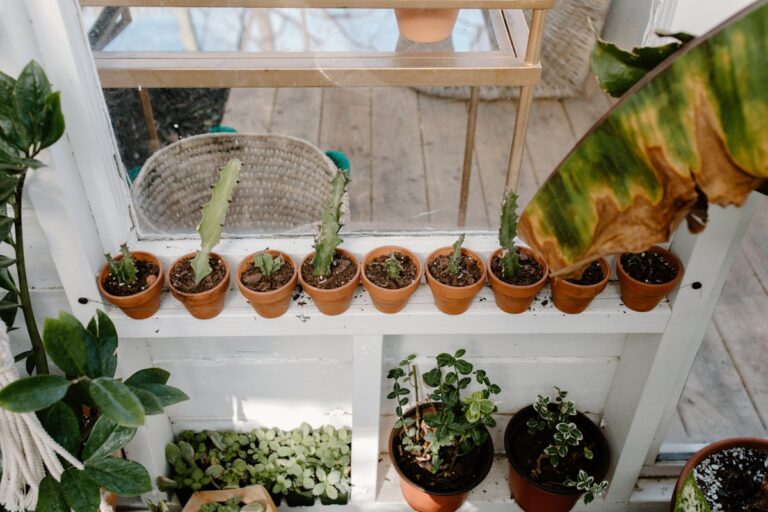
2. Treating Cuttings and Transplants: When propagating plants through cuttings, you can dip the cut end of each cutting into cinnamon before planting it in soil. This practice helps seal the cut and prevents fungal infections from taking hold. For best results, use a quality, well-draining potting mix and ensure you’re not overwatering the cutting, as excess moisture can lead to rot.
3. Mixing with Soil: If you’re preparing soil for a new planting area, consider mixing a small amount of cinnamon into the soil blend. This not only provides a slight antifungal boost but can also improve the overall health of the soil. Again, moderation is key; a teaspoon or two mixed into a gallon of soil should suffice.
4. Companion Planting: Cinnamon can be beneficial when used in combination with other plants. For instance, sprinkling cinnamon around your vegetable garden may help deter pests like ants, which can be harmful to seedlings. However, be cautious of the amount you use, as too much cinnamon can affect beneficial insects and the overall ecosystem of your garden.
5. Using as a Pest Deterrent: Cinnamon can also help keep pests like slugs and snails at bay. Create a barrier by sprinkling a ring of cinnamon around vulnerable plants. The strong scent and texture will deter them from crossing the line. Again, use this method sparingly to avoid creating a thick barrier that could smother roots.
Common Mistakes to Avoid
While cinnamon can be a helpful tool in your gardening arsenal, it’s important to avoid some common pitfalls:
Overapplication: One of the biggest mistakes gardeners make is using too much cinnamon. A thick layer can create a barrier that prevents water and nutrients from reaching the roots. Always stick to a light dusting to ensure air and moisture can circulate.
Ignoring Soil Conditions: Not all soils are created equal. Before adding cinnamon, consider the specific needs of your plants and the condition of your soil. If your soil is already rich in organic matter, excessive additives like cinnamon may not be necessary.
Neglecting Watering Needs: When using cinnamon, be mindful of your watering schedule. While it can help prevent rot, it can also dry out the soil if overused. Monitor the moisture levels and adjust your watering practices accordingly.
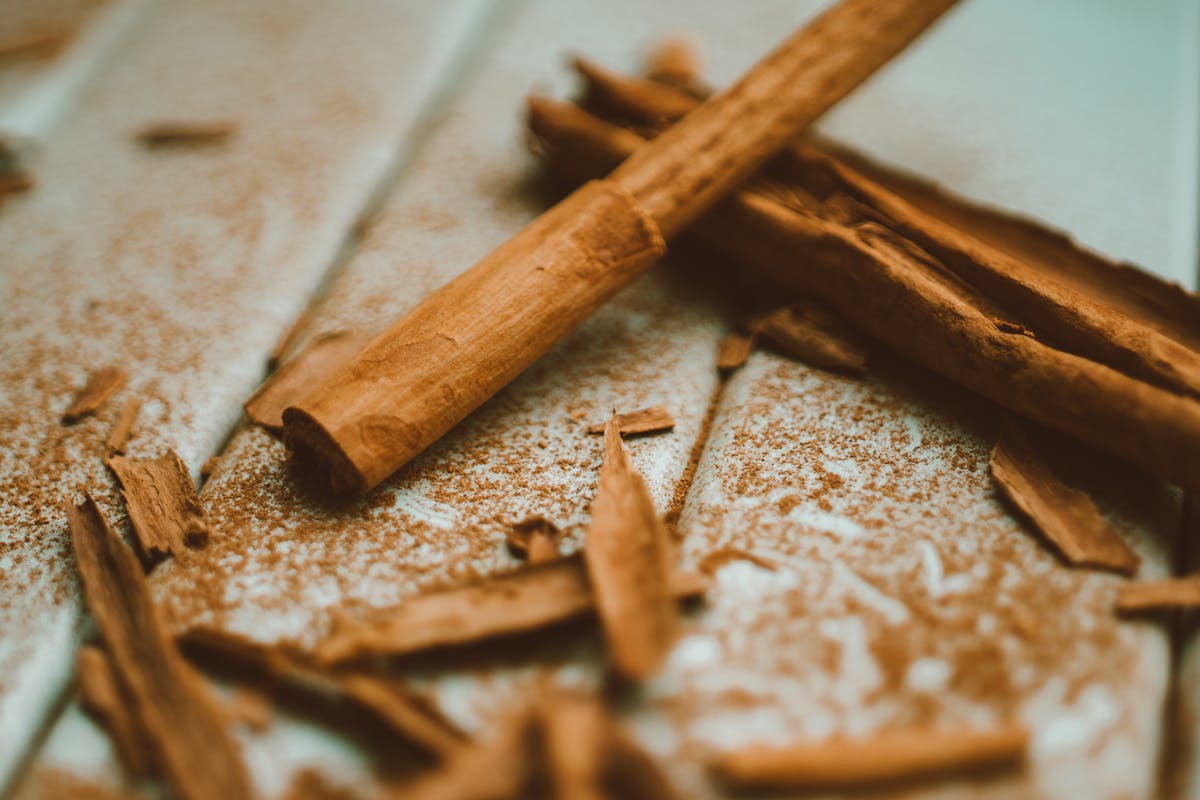
Using Ground Cinnamon Only: While ground cinnamon is the most common form used in gardening, don’t overlook cinnamon sticks. You can place a few sticks in the soil or around the base of your plants for a slow-release effect. Just ensure they are spaced appropriately and won’t interfere with root growth.
Timing: When to Use Cinnamon
Cinnamon can be used at various stages in your gardening journey. For new plantings, adding cinnamon to the soil can help establish a healthy environment from the start. When propagating cuttings, applying cinnamon right after taking the cut is ideal. For existing plants, you can apply cinnamon as a preventative measure at any time, but it’s especially beneficial during periods when fungal diseases are more likely, such as in humid weather or after heavy rains.
Final Thoughts
Incorporating cinnamon into your gardening routine can lead to healthier plants and a more vibrant garden, as long as you use it wisely. By understanding its properties and potential pitfalls, you can harness this spice’s benefits without risking harm to your plants’ root systems. So next time you’re in the kitchen, consider saving a bit of cinnamon for your garden and watch your plants thrive!
As always, if you’re unsure about using cinnamon or have specific concerns about your plants, consider reaching out to your local extension office or gardening community for personalized advice. Happy gardening!