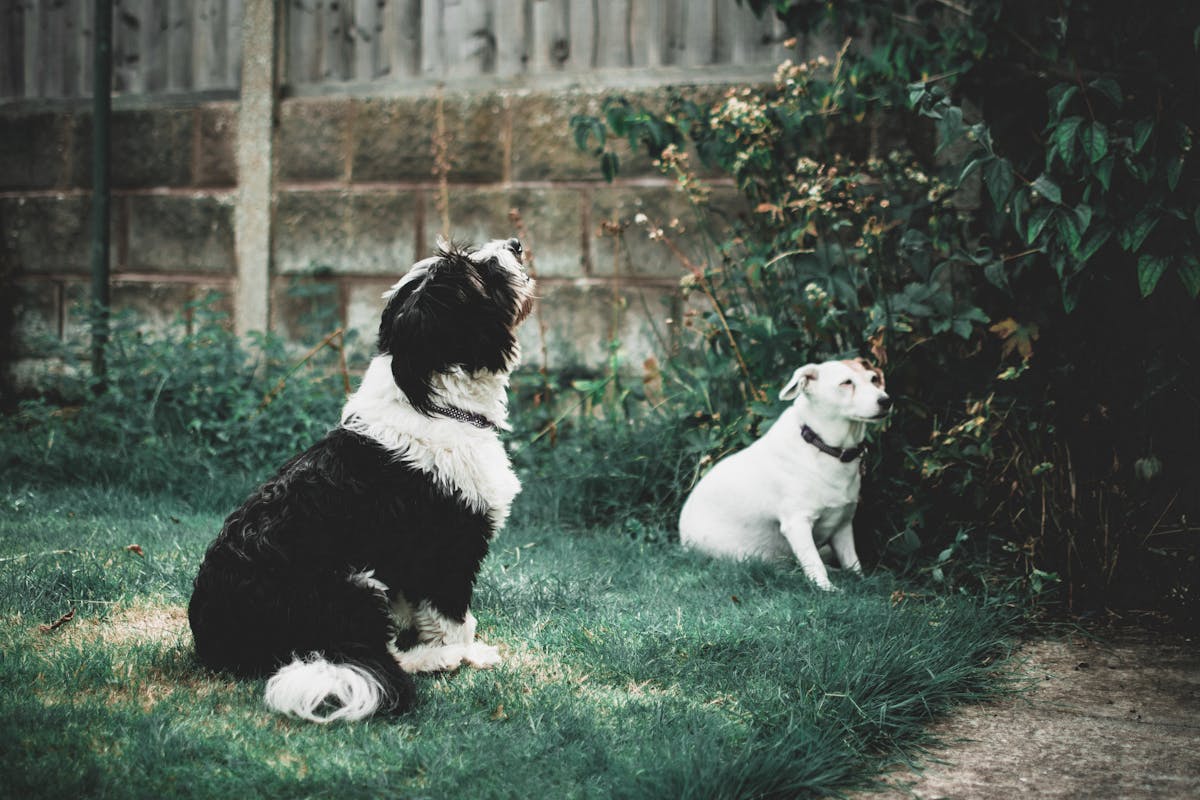
Hidden Dangers: Common Garden Plants That Are Toxic to Dogs

As a proud pet owner and gardening enthusiast, the last thing you want is for your furry friend to get into something harmful while exploring your beautiful garden. While many plants bring joy and beauty to our outdoor spaces, some can pose serious risks to dogs. In this article, we’ll highlight popular plants that may be lurking in your garden, often unsuspected, and provide you with essential information to keep your canine companions safe.
Understanding Plant Toxicity
Before we delve into specific plants, it’s important to understand what makes a plant toxic. Toxicity can vary widely from mild gastrointestinal upset to severe reactions, depending on the plant and the amount ingested. Symptoms of plant poisoning in dogs may include vomiting, diarrhea, lethargy, and more serious conditions such as seizures or organ failure. If you suspect your dog has ingested a toxic plant, contact your veterinarian or a local animal poison control center immediately.
Popular Toxic Plants to Avoid
Here’s a list of commonly found garden plants that are toxic to dogs, along with some tips for safe gardening practices:
1. Azaleas (Rhododendron spp.)
Azaleas are a staple in many North American gardens, valued for their vibrant blooms. However, these popular shrubs contain grayanotoxins, which can lead to vomiting, diarrhea, and even more severe neurological symptoms in dogs. If you have azaleas in your yard, consider fencing them off or placing them in an area that your dog cannot access.
2. Lilies (Lilium spp.)
While beautiful and fragrant, lilies are highly toxic to dogs. Ingesting any part of the plant can lead to gastrointestinal distress and potentially kidney failure. If you’re a lily lover, opt for dog-safe alternatives like daisies or sunflowers to keep your garden vibrant without the risk.
3. Sago Palm (Cycas revoluta)
This ornamental plant is often used in landscaping but is extremely toxic to dogs. All parts of the sago palm are poisonous, particularly the seeds, which can cause severe liver damage and even death. If you live in warmer USDA zones, consider replacing sago palms with non-toxic palms or other hardy shrubs that thrive in your climate.
4. Foxglove (Digitalis purpurea)
Known for its tall spikes of tubular flowers, foxglove is a beautiful addition to any garden. However, it contains cardiac glycosides, which can cause heart issues in dogs. If you’re growing foxglove, ensure your dog is kept away from this plant, as even small amounts can be dangerous.
5. Oleander (Nerium oleander)
Oleander is another garden favorite with stunning flowers but is highly toxic. Ingesting even small amounts can cause severe gastrointestinal upset and heart problems. This plant is best avoided altogether, especially if you have a curious dog that enjoys exploring.
6. Yew (Taxus spp.)
Yews are often used for hedging and topiary due to their dense foliage. However, all parts of the yew plant except the fleshy covering of the berries are toxic to dogs, leading to serious health complications. If you have yews, ensure your dog does not have access to them, and consider more dog-friendly shrubbery alternatives.
7. Castor Bean (Ricinus communis)
While castor bean plants can add a tropical flair to your yard, they contain ricin, a potent toxin that can cause severe illness or death. Because of this, it’s advisable to avoid planting castor beans altogether if you have dogs.
Safe Gardening Practices
To create a safe environment for your pets while enjoying the beauty of your garden, consider implementing these best practices:
Research Your Plants: Before adding any new plants to your garden, do thorough research to ensure they are safe for dogs. Many gardening resources provide lists of non-toxic plants.
Create a Barrier: If you have toxic plants, consider putting up barriers or fencing to keep your pets away. Raised garden beds can also help keep plants out of reach.
Educate Family Members: Ensure that everyone in your household knows which plants are toxic and the importance of keeping pets away from them.
Regular Monitoring: Keep an eye on your garden and your pet while they are outside. If you notice your dog showing interest in a plant, gently redirect them to a safer activity.
Provide Alternatives: Create a designated pet-friendly area in your garden with non-toxic plants, grass, and shade where your dog can enjoy the outdoors safely.
Conclusion
Your garden should be a sanctuary for both you and your pets. By being aware of the plants you choose and making informed decisions, you can create a beautiful outdoor space that is safe for your furry friends. Always remember to monitor your dog’s behavior and consult with a veterinarian if you suspect they’ve ingested something harmful. Happy gardening and safe pet parenting!