Home Garden Trends Are Shifting Toward Fewer Plants but Higher Yield, And It’s Changing How People Grow Food
More home gardeners are moving away from filling every space with plants and instead focusing on growing fewer plants with better output. This shift is changing how small gardens are planned, maintained, and measured for success.
Quality Is Replacing Quantity in Garden Design
Instead of growing many different plants, gardeners are choosing a smaller number of high-performing crops. This allows more attention to each plant’s needs. With better care, plants tend to grow stronger and produce more. The focus has shifted from variety to productivity. This makes gardens more efficient overall.
Better Space Management Is Improving Results
When fewer plants are grown, spacing becomes more intentional. Each plant gets enough light, air, and root space. This reduces competition between plants. As a result, growth becomes more stable. Even small gardens start producing noticeable yields.
Care Becomes More Focused and Consistent
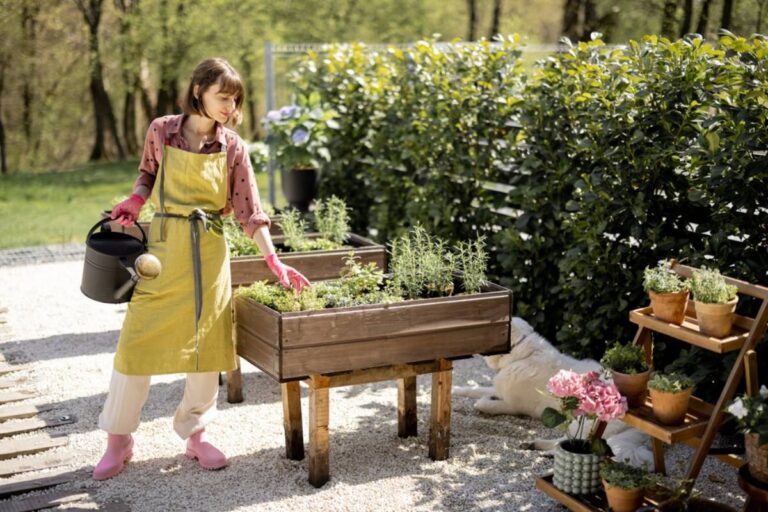
With fewer plants to manage, watering, feeding, and monitoring become easier. Gardeners can respond quickly to any issues. Problems are noticed earlier and fixed faster. This improves overall plant health. Consistency replaces scattered attention.
High-Yield Varieties Are More Popular
Many gardeners are selecting vegetable varieties known for producing more food in smaller spaces. These plants are bred or chosen for efficiency. They often grow faster and produce multiple harvests. This increases output without increasing space. Productivity becomes the main goal.
Resource Use Becomes More Efficient
Water, fertilizer, and soil nutrients are used more effectively when fewer plants are involved. Waste is reduced. Each plant receives a more balanced supply of resources. This leads to healthier growth overall. Efficiency improves both cost and effort.
Smaller Gardens Are Producing Bigger Results
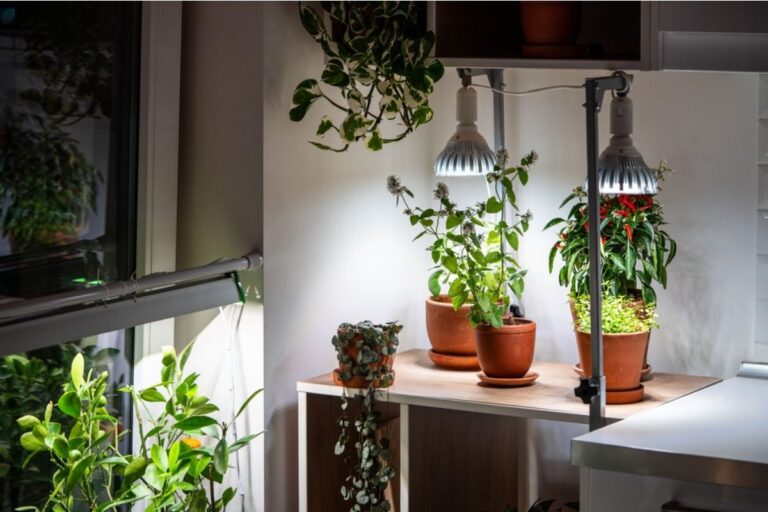
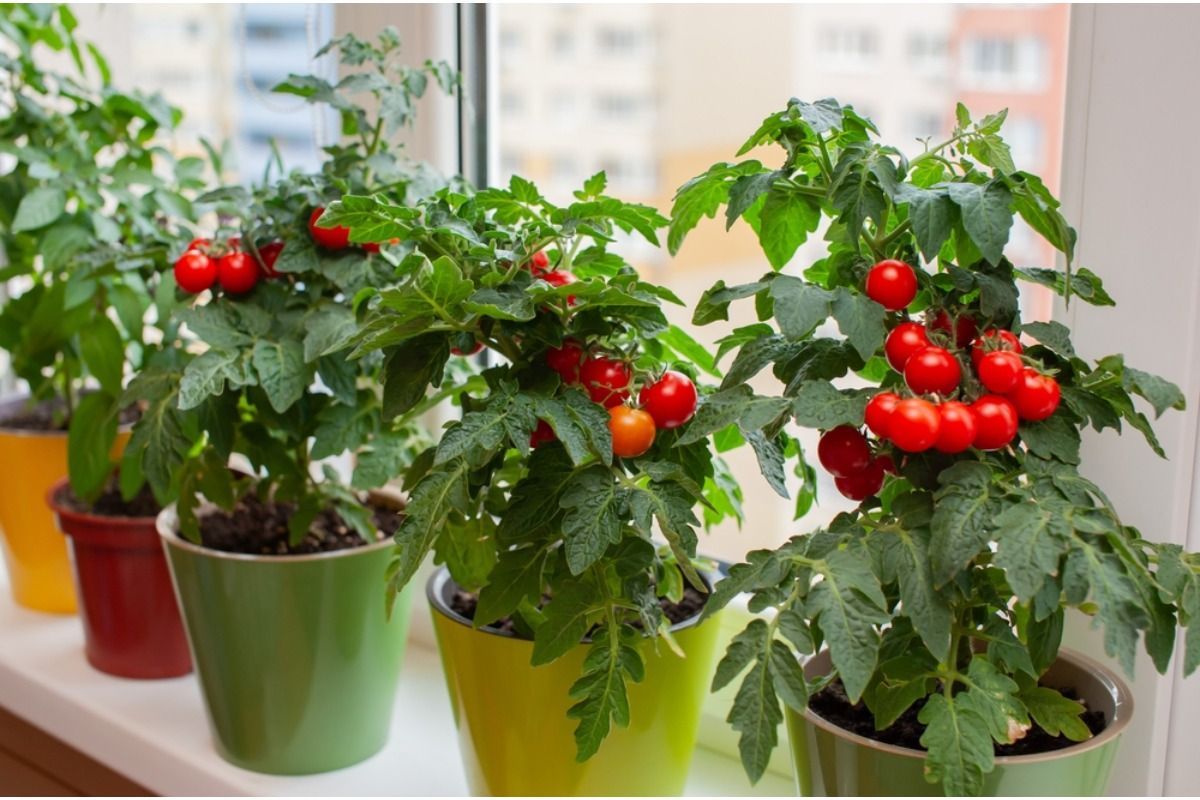
Even balconies or compact yards are seeing improved yields with this approach. Instead of overcrowding, careful planning is producing better outcomes. A few well-maintained plants can outperform a crowded setup. Space is used strategically rather than maximized blindly.
Maintenance Stress Is Reduced
Managing fewer plants reduces daily workload. Gardeners spend less time fixing problems and more time maintaining stability. This makes gardening more sustainable long term. It also reduces burnout. The process becomes more enjoyable.
Observation and Learning Improve
With fewer plants, gardeners can closely observe growth patterns and adjust care methods. This leads to better understanding of plant behavior. Small improvements have bigger impact. Experience becomes more meaningful. Learning happens faster.
Yield Over Appearance Is Becoming the Priority
Earlier gardening styles often focused on full, decorative setups. Now the focus is shifting toward actual food output. Success is measured in harvests rather than plant count. This practical mindset is driving the trend. Function is overtaking aesthetics.
The shift toward fewer plants and higher yield is changing how home gardens are built and managed. By focusing on efficiency and care, gardeners are getting better results from smaller, simpler setups.