Home Gardeners Are Growing Shade-Tolerant Vegetables Indoors, And Low-Light Spaces Are Finally Being Used
Home gardeners are increasingly growing shade-tolerant vegetables indoors, turning low-light corners into productive growing spots that were previously ignored.
Low-Light Spaces Are No Longer Wasted
Areas that don’t receive direct sunlight, like corners, hallways, or rooms with small windows, are now being used for growing food. Instead of leaving these spaces empty, people are experimenting with plants that can survive in reduced light. This expands usable space inside homes. Even dim areas are becoming productive. Limitations are being redefined.
Shade-Tolerant Crops Are Leading the Way
Certain vegetables and greens naturally adapt better to low-light conditions. Leafy greens like spinach, lettuce, arugula, and herbs such as parsley or mint are common choices. These plants don’t require intense sunlight to grow steadily. They are easier to manage indoors. Reliability makes them popular.
Growth Is Slower but Still Consistent
Plants grown in low-light environments may grow more slowly compared to those in full sun. However, they can still produce steady yields over time. Many gardeners accept slower growth in exchange for convenience. Patience becomes part of the process. Consistency matters more than speed.
Artificial Lighting Is Sometimes Added
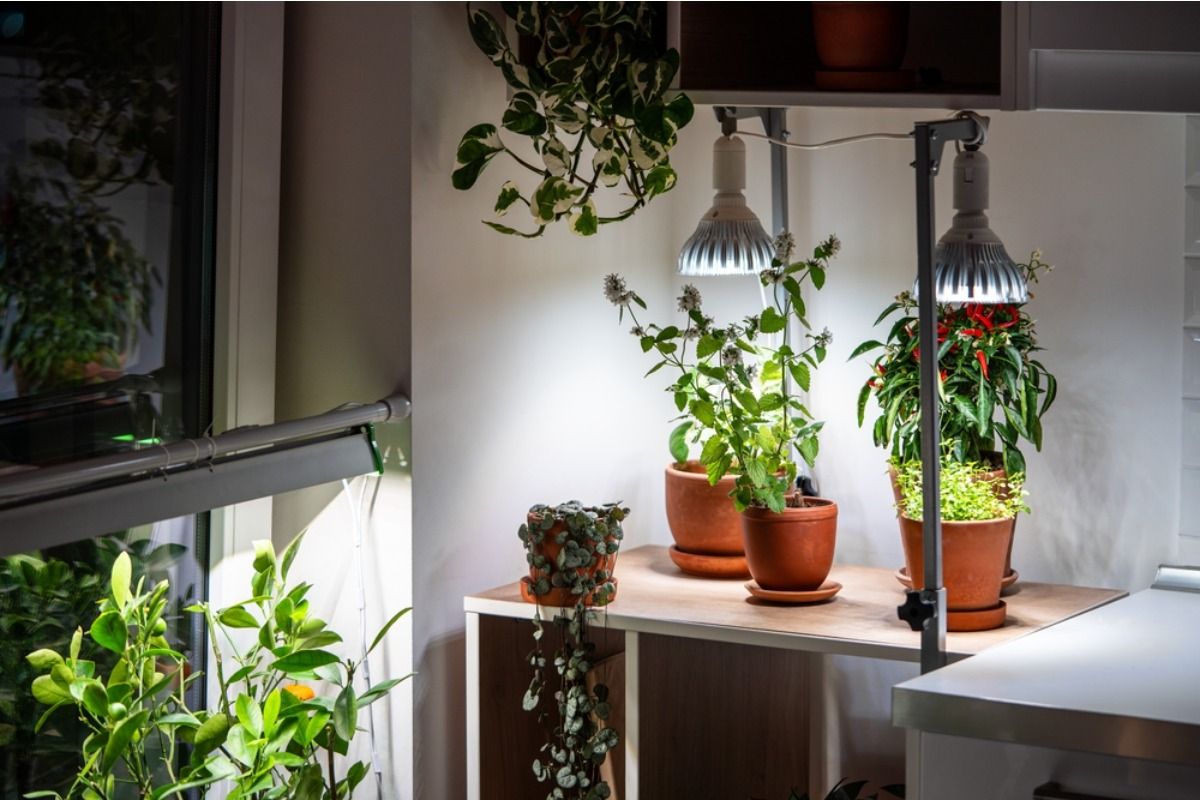
Some growers supplement natural light with small LED grow lights to improve results. Even minimal lighting can boost plant health significantly. This helps balance limited sunlight. Lighting becomes a tool rather than a requirement. Flexibility increases.
Indoor Placement Is More Strategic
Gardeners are paying closer attention to where plants are placed, near windows, reflective surfaces, or brighter walls. Small adjustments can improve light exposure. Positioning becomes part of the strategy. Micro-placement matters. Efficiency improves.
Maintenance Is More Controlled Indoors
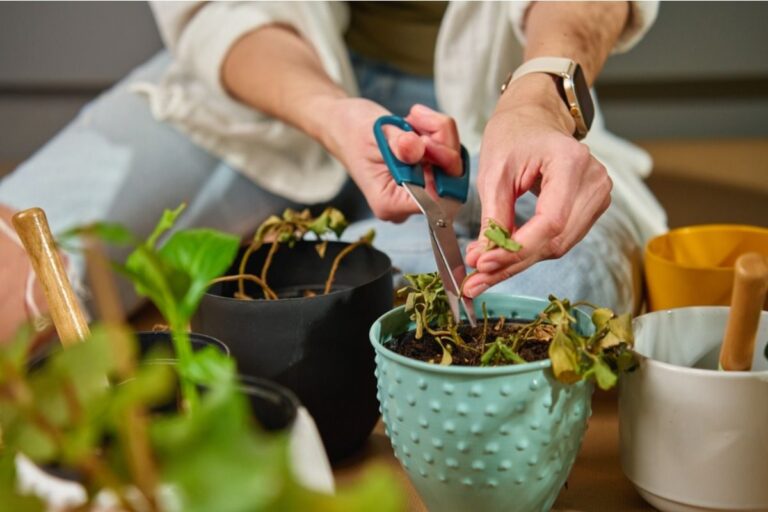
Growing plants inside allows better control over watering, temperature, and pests. There is less exposure to weather extremes. This makes care routines more predictable. Stability improves plant survival. Indoor systems reduce risk.
Ideal for Apartments and Urban Living
For people without balconies or outdoor space, shade-tolerant indoor gardening offers a practical solution. Even a shelf or table can support multiple plants. This makes gardening accessible to more people. Space is no longer a barrier. Urban living adapts.
Encourages Everyday Harvesting
Having plants indoors encourages frequent use of fresh greens and herbs. People are more likely to harvest small amounts regularly. This reduces waste. Fresh food becomes part of daily routines. Convenience increases usage.
Learning Curve Still Exists
Although these plants are easier to manage, growers still need to monitor watering and light levels. Too little light or overwatering can still affect growth. Beginners may need some experimentation. Experience improves outcomes. Observation is key.
A Shift Toward Indoor Food Production
This trend reflects a broader move toward bringing food production inside the home. Instead of relying only on outdoor gardens, people are integrating plants into living spaces. Food and environment are merging. Homes are becoming more self-sufficient. Indoor gardening is evolving.
As more home gardeners explore shade-tolerant vegetables, low-light spaces are finally being used effectively, showing that even the dimmest corners can contribute to fresh, homegrown food.