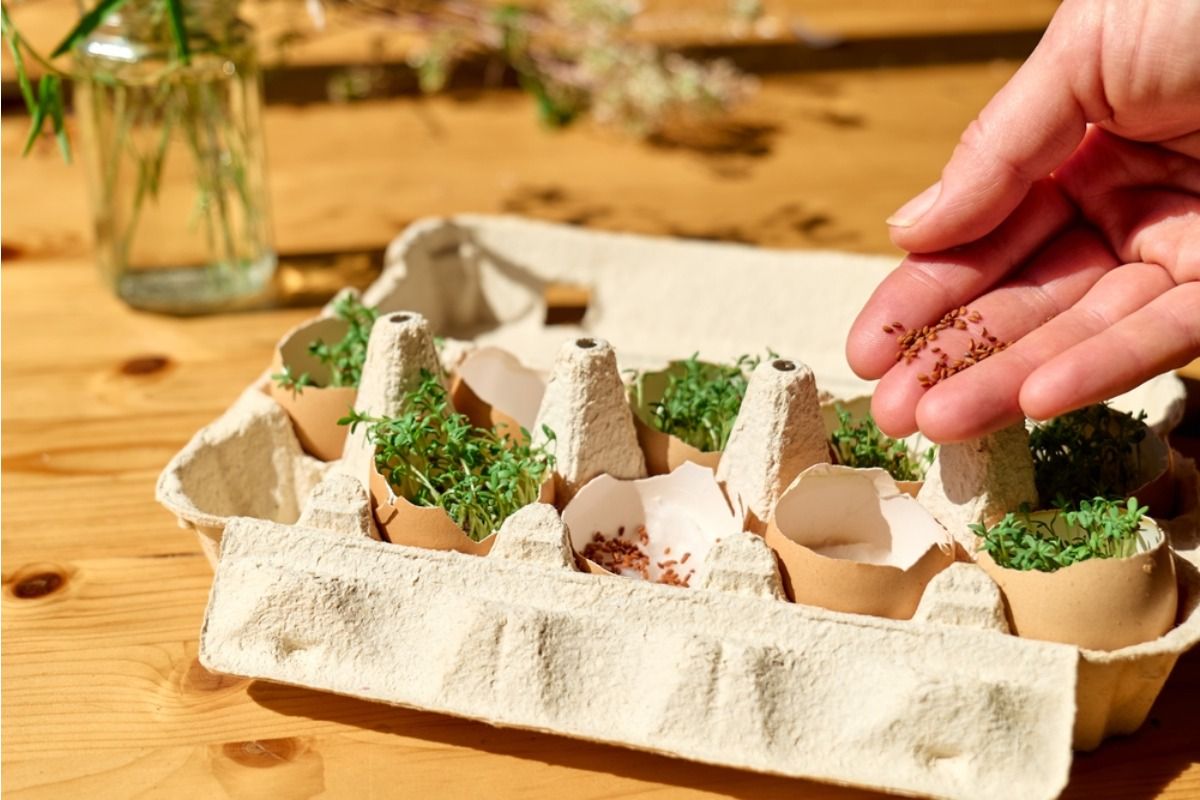
Home Gardeners Are Noticing Strong Seed Germination but Weak Later Growth, And One Transition Step Is Often Missing
Many home gardeners are reporting a similar pattern this season, seeds are sprouting quickly and evenly, but plants begin to slow down or weaken shortly after. The issue often isn’t germination itself, but a missing transition step after sprouting.
Germination Is Only the First Stage
Seed germination shows that conditions like moisture, temperature, and soil contact are working well. However, this stage only provides the initial push for growth. Once the seedling emerges, its needs change quickly. What worked for germination is not always enough for continued development. Many gardeners mistakenly treat it as the full success point.
The Missing Step Is Early Transplant Adjustment
One of the most common gaps is the transition from germination tray to larger soil space. If seedlings stay too long in small cells, roots become restricted. If they are moved too late or too harshly, they experience stress. This transition stage is critical for long-term strength. Poor handling here often leads to weak later growth.
Root Expansion Begins Immediately After Sprouting
After germination, seedlings quickly shift focus to root development. If roots cannot expand properly during this phase, the plant’s future size becomes limited. Compact soil or tight containers can block this process. Even healthy-looking seedlings may struggle later. Early root freedom is essential for stability.
Light Intensity Often Changes Too Abruptly
Many growers move seedlings from controlled indoor lighting to stronger natural sunlight too quickly. This sudden change can shock young plants. Leaves may appear fine at first but weaken over time. Gradual exposure is more effective. Light transition is just as important as soil transition.
Nutrient Timing Is Often Delayed or Misaligned
Seedlings rely on stored energy at first, but eventually need external nutrients. If feeding starts too late or too aggressively, growth can become unbalanced. Too much fertilizer early can also harm roots. Timing and balance are key. Proper nutrient introduction supports steady development.
Watering Patterns Need Adjustment After Sprouting
Water needs change once roots begin expanding. Soil that was ideal for germination may become too wet or too dry for young plants. Inconsistent watering during this phase can slow growth significantly. The system must shift from seed-focused to plant-focused care. This change is often overlooked.
Airflow and Space Become More Important
As seedlings grow, they need more space and better airflow to develop strong stems. Crowded conditions can lead to weak, elongated plants. Lack of airflow also increases stress and disease risk. Proper spacing supports sturdier growth. Early crowding often has long-term effects.
Early Stability Determines Final Strength
The first weeks after germination set the foundation for the entire plant lifecycle. Any stress or imbalance during this stage affects final yield. Strong germination does not guarantee strong plants. What happens after emergence is equally important. Stability during transition is the key factor.
A Smooth Transition Creates Stronger Plants
When seedlings are moved gradually into proper light, soil, space, and feeding conditions, growth remains steady. Each change supports the next stage instead of disrupting it. This smooth progression leads to stronger, healthier plants. The difference often lies in timing and care during transition.
Strong germination is only the beginning. Without a proper transition phase, early success can fade quickly, while a well-managed shift into growth stages leads to consistently stronger plants throughout the season.