Home Gardeners Are Overlooking This Simple Timing Rule That Can Strongly Affect Bloom Quality in Spring
Many home gardeners put a lot of effort into soil, watering, and plant selection, yet overlook how strongly timing can influence spring bloom quality. Small adjustments in when certain tasks are done can have a noticeable impact on flower size, color, and overall plant performance. Because the effects are gradual, this connection is often missed until the results appear in the flowering season.
Pruning at the Wrong Time Reduces Flower Potential
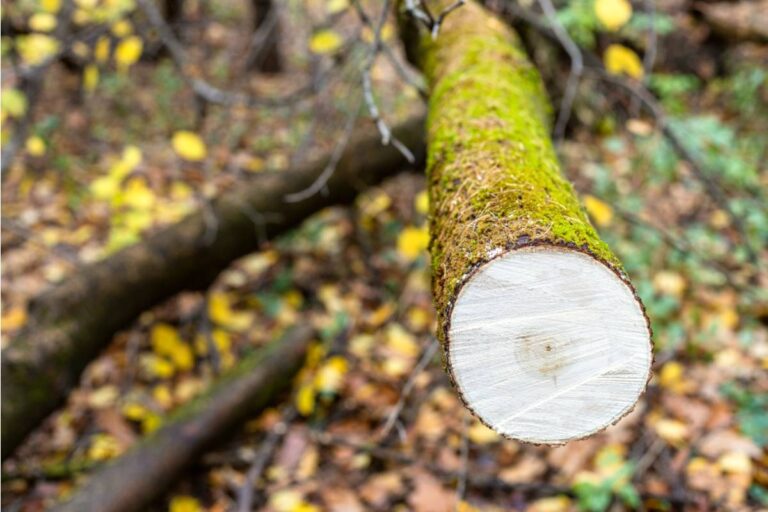
One of the most common timing mistakes is pruning too early or too late. Some flowering plants develop buds on old growth, while others form them on new growth. Cutting at the wrong stage can remove developing buds without realizing it. This leads to fewer or weaker blooms in spring.
Fertilizing Too Early Shifts Energy Away from Flowers
Applying fertilizer too soon in the season can encourage leaf growth instead of flower formation. Plants may become lush but produce fewer blooms. Timing fertilizer applications closer to the flowering stage helps direct energy toward buds instead of excess foliage.
Watering Schedules Affect Bud Development
Consistent moisture during early growth stages supports stronger bud formation. However, irregular watering just before flowering can stress plants and reduce bloom quality. Even small fluctuations in soil moisture can affect how fully flowers develop.
Temperature Timing Plays a Hidden Role
Spring blooms are highly sensitive to temperature patterns. Sudden warm spells followed by cold snaps can disrupt bud development. Plants that begin flowering too early in unstable conditions often produce smaller or damaged blooms.
Light Exposure Timing Matters More Than Expected
The amount and timing of sunlight exposure throughout the early growing season influences how well plants prepare for flowering. Delayed exposure due to shading or late seasonal pruning can reduce energy available for blooms.
Plant-Specific Bloom Cycles Are Often Ignored
Different plants respond to different seasonal cues. Some require winter chill periods, while others rely on day length changes. Misjudging these natural cycles can lead to weak or uneven flowering, even in well-maintained gardens.
Timing is one of the most underestimated factors in gardening success. While care and maintenance are important, when those actions happen can be just as critical as how they are done. Small timing adjustments often make the difference between average blooms and a truly vibrant spring display.