Homeowner Found the Perfect Garden Privacy Solution After Neighbors Started Watching From the Fence, Then a Hidden Bee Nest Turned Into the Unexpected Deterrent
A person shared his story about living in a quirky neighborhood filled with antique homes, small lots, old stone walls, mature plants, and gardens that had developed their own character over the years. The area had once been relaxed and neighborly, with people generally respecting each other’s space and helping one another when needed. Over time, however, new residents arrived and the atmosphere began to feel noticeably different.
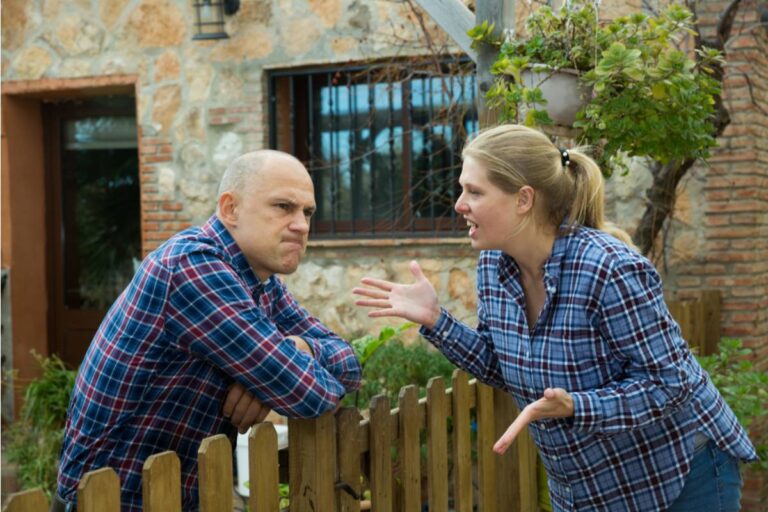
For this homeowner and her husband, the biggest issue wasn’t the noise coming from next door, even though their neighbors frequently had guests and energetic children running around. The real problem was that the couple would sit directly on the short dividing fence and stare down into their backyard. A space that had always felt private suddenly felt like a viewing platform for someone else’s entertainment.
Their Backyard Had Always Been Their Escape
The backyard wasn’t particularly formal or luxurious, and that was exactly how the homeowners liked it. It contained plants, trees, aging stone walls, and a natural-looking landscape that was maintained without being stripped of its character. One dead tree had even been deliberately left standing because birds used it, making the yard feel more like a small habitat than a perfectly manicured suburban lawn.
That peaceful atmosphere became harder to enjoy once the neighbors began watching from the fence. The homeowners weren’t outside constantly, so they weren’t looking for some elaborate privacy fortress. They simply wanted to be able to garden, sit outside, and enjoy their property without feeling as though someone was permanently stationed a few feet away.
The Neighbors Had Opinions About the Garden Too
The situation became even stranger when the homeowners began hearing that the neighbors were complaining about things in their yard. Apparently, certain aspects of the natural landscaping didn’t appeal to them, even though the garden was reasonably well maintained. To the homeowners, the complaints felt particularly odd because the neighbors were criticizing a space that wasn’t theirs while simultaneously spending plenty of time looking into it.
The combination created an uncomfortable dynamic. The fence wasn’t tall enough to provide privacy, the neighboring property sat higher, and anyone sitting along the boundary had an almost perfect view downward. The homeowners couldn’t easily change the slope or rebuild the entire garden, so they began looking for smaller ways to reclaim their sense of privacy.
Then Gardening Delivered an Unexpected Discovery
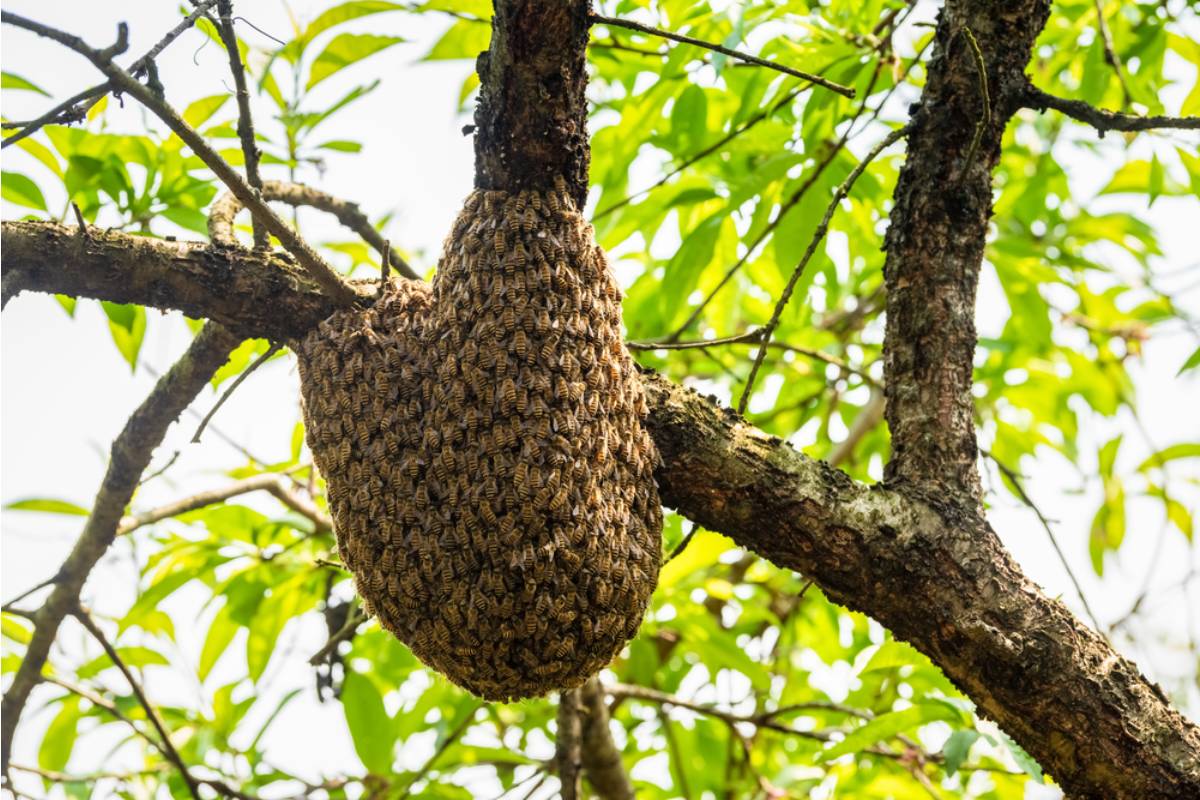
One day, while the couple was working in the garden, they discovered a bee nest tucked into a mound of moss near the fence. It was one of those discoveries that might normally lead a gardener to stop, admire the pollinators, and make plans to leave them undisturbed. Instead, the homeowner’s mind immediately started connecting the nest with the fence problem.
She began researching ways to avoid having people constantly occupy that section of the boundary. The idea that emerged was unconventional, and it turned an ordinary patch of moss into the center of a surprisingly elaborate backyard strategy. The homeowner decided that the bees might unintentionally become part of the solution.
A Tiny Box Appeared Beside the Nest
The homeowner found a compact vibration device that could be controlled remotely. She placed it inside a small box, covered the box with moss, and positioned it near the bee nest so that it wasn’t obvious from a distance. A small rechargeable battery was placed nearby in the ground to power the setup.
The intention was not to destroy the nest or eliminate the bees. Instead, the homeowner planned to create enough temporary disturbance that the insects would become active whenever someone was lingering directly beside the nest. The device effectively turned the already-existing bees into an unexpected reason for people to reconsider sitting on that particular section of the fence.
The First Trial Changed the Fence Line
The first time the homeowner activated the device while the neighbors were gathered near the boundary, the response was immediate. The bees became agitated and began moving around the area, making the fence suddenly much less appealing as a place to sit. The neighbors moved away from that section, giving the homeowners the privacy they had been missing.
After that, the homeowner noticed a pattern. The fence stopped being such a popular observation point, and the backyard once again felt more like a private garden instead of a shared viewing area. What had started as a strange experiment quickly became an ongoing part of the homeowner’s backyard routine.
The Blueberries Added Another Chapter
There was another reason the homeowner sometimes activated the device. Blueberry bushes grew along the fence, and she noticed that the neighbors were helping themselves to the fruit. The situation turned the already tense boundary into something even more personal because the homeowners were now watching produce disappear from plants they had tended themselves.
The homeowner admitted that she sometimes used the device when she noticed the blueberry theft happening. It added a mischievous edge to the story, although the approach also carried obvious risks because bees can sting and people can have severe allergies. The homeowners’ love of their garden and their frustration with the neighbors had collided in a very unusual way.
The Responses Quickly Took a Comedic Turn
A response from a person described the situation as having a kind of chaotic woodland-wizard energy. That person suggested adding a very thorny hedge beneath the fence, transforming the privacy problem into an opportunity for more serious garden design. The suggestion fit perfectly with the homeowners’ existing naturalistic style.
Another response from a person recommended going in the opposite direction by planting bee-friendly flowers directly beside the fence. Rather than trying to manipulate the existing nest, the idea was to create an attractive pollinator area that would naturally make the boundary less comfortable for people who wanted to hang around there. The homeowner liked the concept and began considering which plants would work in her climate.
A Pollinator Garden Became the Better Idea
The homeowner explained that the property was in planting zone 5 and said she was interested in trying Autumn Joy sedum the following spring. Other people suggested bee balm, lavender, lilacs, and similar flowering plants that can attract pollinators. Suddenly, what began as a privacy conflict was inspiring ideas for a much richer garden.
The shift was almost funny because the homeowners had originally been trying to discourage people from sitting near the fence. Now they were discussing how to make that same area more useful to bees, butterflies, and hummingbirds. A natural pollinator border could eventually provide privacy, beauty, and wildlife value without relying on a hidden mechanical device.
Thorny Plants Entered the Conversation
Other responses leaned toward defensive gardening. Blackthorn was suggested because it can create a formidable barrier while also producing berries that birds can use, while blackberry bushes were praised as both fast-growing and unpleasant to push through. The general idea was simple: make the fence line attractive to wildlife and inconvenient for people.
The homeowner loved the combination of ideas and jokingly described the goal as something that was both thorny and bee-friendly. Her husband apparently thought she was becoming slightly unhinged, although she pointed out that he complained about the neighbors even more than she did. The garden was gradually turning into a natural privacy project with a little bit of mischievous personality.
Then Someone Suggested a Much Worse Plant
At one point, a response from a person jokingly suggested bamboo as a possible privacy solution. The idea was quickly met with warnings from other people who strongly disliked bamboo because of how aggressively certain types can spread. Rather than solving a fence dispute, an invasive plant could potentially create a problem that lasted for decades.
The homeowner revealed that the property already had Japanese knotweed, which she described as an especially unpleasant existing problem. That detail effectively ended the temptation to introduce another aggressive plant. The conversation shifted back toward native or manageable options that could help create privacy without launching another battle beneath the soil.
Even Cactus Couldn’t Save the Fence
Cactus was another suggestion, particularly tall varieties that could discourage people from leaning against a boundary. Unfortunately, the homeowners lived too far north for many of the suggested plants to be practical. Their zone 5 climate narrowed the list of possible natural barriers considerably.
That limitation didn’t stop the creative responses. People continued suggesting different combinations of flowers, thorny shrubs, and wildlife-friendly plants. The resulting discussion turned the original conflict into an informal brainstorming session about how a garden could physically and visually reclaim a boundary.
A Motion-Activated Garden Solution Appeared
A response from a person eventually proposed motion-activated sprinklers as a more conventional way to discourage unwanted visitors. Unlike the bee-related idea, a sprinkler could provide a harmless burst of water without disturbing insects. It also fit naturally into the garden rather than requiring the homeowner to rely on an agitated swarm.
Another person suggested adding a wildlife camera to keep an eye on the area. That idea became particularly relevant because the neighbors’ dog had previously jumped the fence and used the garden as a bathroom while the owners seemingly ignored the behavior. The homeowner said the situation finally stopped after a camera was positioned where the neighbors could see it.
The Blueberry Mystery Wasn’t the Only Boundary Problem
The dog incident revealed that the fence had been a source of trouble for more than just unwanted staring. The neighbors’ large dog had apparently been entering the garden and leaving its mess behind while the owners looked away. The homeowners eventually resorted to making the situation obvious enough that the behavior stopped.
The backyard was therefore dealing with several layers of unwanted attention: people sitting on the fence, complaints about the landscaping, stolen blueberries, and a dog wandering into the garden. The bee nest simply became the strangest chapter in an already bizarre boundary dispute. What seemed at first like one annoying habit was actually part of a growing pattern of people treating the garden as if it were communal space.
The Homeowner Had Mixed Feelings About the Bees
Despite the mischievous strategy, the homeowner admitted that she genuinely liked bees. That made the entire idea more complicated because she didn’t want the pollinators harmed. She also recognized the possibility that someone could be stung or have a severe allergic reaction, which meant the joke could have consequences far beyond an awkward afternoon at the fence.
That concern was reflected in a response from a person who loved the cleverness but hoped nobody would get hurt. The comment captured the strange tension running through the entire story: the situation was funny precisely because it was so absurd, yet bees were still living creatures that could react unpredictably. For all the jokes, the safest long-term solution was beginning to look more like garden design than insect intimidation.
Then the Medieval Comparison Arrived
One response from a person compared the idea to historical stories about armies using beehives as weapons. The comparison was obviously made for humor, but it perfectly captured how ridiculous the modern garden version sounded. The homeowner admitted she was fascinated enough by the historical comparison to start reading about it.
That exchange pushed the story into an even more entertaining direction. What began as a complaint about neighbors had somehow evolved into a conversation involving medieval warfare, pollinator gardens, thorny hedges, motion sensors, and surveillance cameras. The backyard had become a tiny stage where gardening and neighborhood drama kept colliding.
The Best Solution Was Hiding in Plain Sight
As the suggestions accumulated, a more sensible path began to emerge. Instead of relying on the bee nest as a deterrent, the homeowners could make the fence line less inviting through layered planting, natural screening, and garden design. Thorny shrubs could create a physical buffer, while bee-friendly flowers could draw pollinators away from the exact spot where people wanted to sit.
A response from a person encouraged that approach by suggesting plants that would naturally attract bees near the boundary. The homeowner liked the idea enough to say she would try it in the following spring. The garden that had become the source of the neighborhood dispute might eventually become even more beautiful because of it.
The Fence Was Never Really the Problem
The deeper problem wasn’t a particular fence, plant, or bee nest. It was the fact that the homeowners had stopped feeling comfortable using their own backyard because other people had decided the boundary was a place for watching, complaining, and helping themselves to garden produce. That loss of privacy was what made every small incident feel much bigger than it otherwise might have been.
The homeowners didn’t need an elaborate fortress to solve that problem. They needed a boundary that clearly felt like part of their garden, not an invitation to occupy the edge of it. With thoughtful planting and better screening, they could reclaim the space without turning every afternoon into another round of neighborhood chess.
The Garden’s Unexpected Twist
The strangest twist was that the bee nest may have accidentally revealed the better solution. The homeowner initially saw the insects as a useful deterrent, but the responses inspired her to think about creating a real pollinator garden along the fence instead. That would give the bees something valuable, make the boundary more visually substantial, and potentially discourage people from lingering there.
In the end, the homeowners had several options that didn’t involve turning their yard into a battleground. A layered border of attractive plants, thorny shrubs, and privacy-friendly species could do more for the garden than any hidden gadget ever could. The bee nest started the story as a secret weapon, but it may ultimately have become the reason the homeowners redesigned the fence line into the kind of garden boundary they should have had from the beginning.