Homeowner Planted Evergreen Trees to Create a Private Backyard Sanctuary, Then Her Neighbor Kept Chopping Off Their Tops Until He Threatened to Cut Them All Down
A person shared his story about planting evergreen trees along his property to create a natural privacy screen between his home and the neighboring house. The trees were meant to provide a little peace, a touch of greenery, and a welcome break from having a neighbor constantly in view. For years, the homeowner had no major dispute about which side of the property line the trees occupied. Unfortunately, the peaceful garden atmosphere did not last forever.
The evergreens gradually grew taller, thicker, and better at doing their job, creating the leafy barrier the homeowner had wanted. However, the neighbor apparently had a different vision for the landscape, particularly when it came to the view from his own house. What began as an ordinary gardening project slowly turned into a frustrating property dispute. Before long, the trees became the center of a conflict that neither a watering can nor a pair of pruning shears could easily resolve.
The Trees Grew, but the Neighbor Was Not Impressed
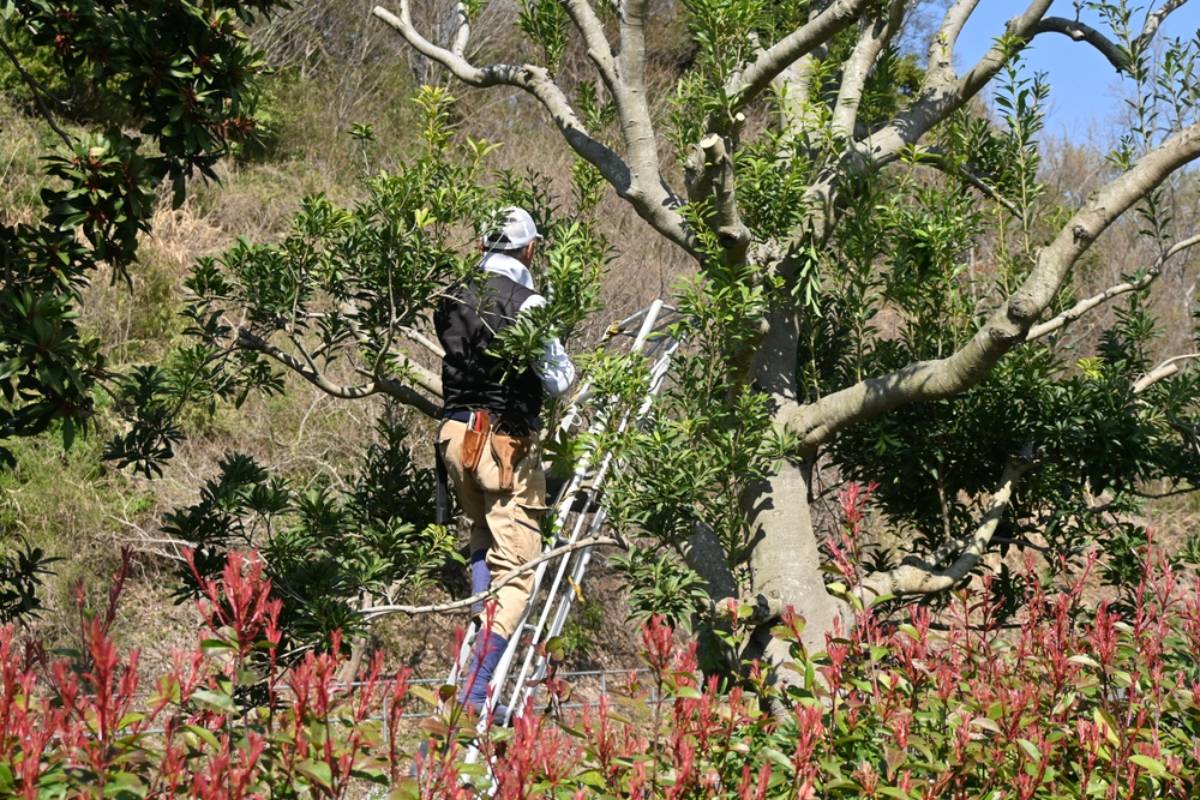
As the evergreens matured, they began obstructing the neighboring homeowner’s view of the surrounding area. Rather than discussing the issue or asking whether a compromise was possible, the neighbor reportedly began cutting the tops off the trees. The homeowner explained that this happened repeatedly, with the once-natural growth replaced by suspiciously flat tops.
For someone who had spent years growing a living privacy screen, discovering that the trees had been trimmed without permission was understandably upsetting. These were not disposable decorations that could be swapped out on a whim, but established plants that had taken years to grow. Every unauthorized trim changed their appearance and interfered with the homeowner’s plans for the garden.
Every Year Brought Another Unwelcome Surprise
The most frustrating part was that the trimming did not appear to be a one-time incident. The homeowner said he would discover the trees with their tops flattened year after year, suggesting that the neighbor kept returning to repeat the same unwanted gardening intervention. Instead of allowing the evergreens to develop naturally, someone was effectively deciding how tall they were allowed to grow.
The homeowner also explained that the neighbor had to enter his property to reach the trees and cut them back. That detail made the dispute more serious than a simple disagreement about landscaping preferences. A neighbor disliking a tree is one thing, but repeatedly crossing a property boundary to alter it without permission is an entirely different problem.
The Property Line Became the Center of the Dispute
The two homeowners disagreed about the precise location of their shared property boundary, although the original poster maintained that there had never been a question about which side the trees were planted on. The homeowner had relied on a survey to establish the line, which became especially important when the disagreement escalated. In a situation like this, a documented boundary can matter far more than either neighbor’s personal opinion.
The homeowner explained that the survey was not a recent guess or an informal measurement taken with a garden hose. He later clarified that a newer survey had also confirmed the boundary, even though the neighbor continued to challenge its accuracy. With the trees already established and the disagreement unresolved, the garden had become an unexpected battleground over land ownership.
Then the Neighbor Suggested Removing Every Tree
One day, the neighbor proposed a solution that would have dramatically changed the garden: remove the evergreen trees and construct a fence instead. On the surface, replacing a row of trees with a fence might sound like a straightforward landscaping compromise. However, the homeowner was not interested in sacrificing the mature plants he had spent years growing.
The homeowner responded that any fence would need to follow the property line established by his survey. That answer should have provided a starting point for a practical discussion about boundaries and privacy. Instead, it triggered a reaction that turned an already uncomfortable disagreement into something much more alarming.
A Simple Fence Discussion Turned Into a Threat
According to the homeowner, the neighbor became visibly angry when he insisted that the fence respect the surveyed boundary. The conversation reportedly escalated from a proposed landscaping change to an ultimatum. The neighbor then threatened to cut down the trees anyway and told the homeowner that he could sue afterward.
That statement left the homeowner wondering whether the trees he loved would still be standing the next time he went outside. It was no longer just a disagreement over how much greenery belonged along a property line. The possibility of losing years of growth without consent had suddenly become a real concern, and the homeowner wanted to know how to protect his garden before anything happened.
Why the Evergreen Trees Meant More Than a Pretty View
Evergreen trees can serve several purposes in a residential landscape, from providing privacy to softening property boundaries with natural greenery. Unlike a newly installed fence, mature trees take years to establish their size, shape, and presence in a garden. Removing them can fundamentally change how an outdoor space feels and functions.
For this homeowner, the trees had been planted deliberately to create a visual barrier between the two houses. Their value was not limited to their appearance, because they also helped create a sense of separation and personal space. The neighbor’s threat therefore put more than a few plants at risk; it threatened the entire purpose behind the original garden design.
A Response From a Person Recommended Getting a Property Lawyer
A response from a person suggested consulting a real estate attorney familiar with property disputes rather than relying on informal conversations with the neighbor. The advice focused on establishing the homeowner’s rights and understanding what legal options might be available if the trees were damaged or removed. That recommendation was particularly relevant because the conflict involved both a disputed boundary and repeated unauthorized trimming.
Other responses also emphasized that laws governing trees, trespassing, and property damage can vary depending on the location. A homeowner should not assume that every dispute follows the same rules or that a neighbor can freely remove trees simply because they dislike the view. Professional advice could help clarify the situation before the threatened damage occurred.
The Survey Was More Important Than Either Neighbor’s Opinion
The homeowner later explained that a new survey had been conducted and confirmed the property line. Despite that information, the neighbor reportedly continued to argue that the surveys were incorrect. This created an especially frustrating situation in which documented measurements were apparently unable to settle the disagreement between the two households.
For gardeners, this part of the story offers a useful reminder about planting near property boundaries. Keeping copies of surveys, photographs, and planting records can help establish where trees are located and how the landscape has changed over time. When a dispute develops, accurate documentation is generally more useful than relying on memory or assumptions about where a boundary should be.
Some People Suggested Installing Cameras Around the Trees
Several responses recommended installing cameras that could record activity around the evergreen trees. The idea was to document any future attempts to enter the property or damage the plants, rather than relying solely on one homeowner’s account of what happened. Visible cameras could also help discourage unwanted activity before it escalated further.
For someone trying to protect a carefully maintained garden, documenting the situation may be a sensible precaution when tensions have already risen. Photographs of the trees, their condition, and the surrounding property could also provide a useful record. Any recording equipment should be positioned appropriately and used in accordance with local privacy rules.
Others Recommended Contacting the Local Police
The homeowner specifically wondered whether he should report the neighbor’s threat to the local police. Several responses encouraged him to document the threat and ask local authorities about the appropriate next steps. Their concern was that waiting until the trees had actually been cut down could leave the homeowner facing damage that might have been preventable.
However, the precise response from law enforcement would depend on local laws and the circumstances of the threat. Reporting an incident does not automatically guarantee that officers can prevent every future dispute. Still, keeping an official record may be useful if the situation escalates or the homeowner later needs to demonstrate a pattern of unwanted conduct.
The Garden’s Privacy Screen Had Become a Legal Concern
One response suggested consulting an arborist to assess the condition of the trees and determine whether previous trimming had caused damage. This could be particularly helpful when repeated cutting has changed the trees’ natural growth or potentially affected their health. An experienced professional may also be able to document their condition and provide an informed assessment of the damage.
The homeowner’s situation illustrates how quickly ordinary garden maintenance can become complicated when someone else interferes with established plants. Trees that have grown for years cannot necessarily be replaced with equally mature specimens overnight. If the dispute proceeds further, professional assessments may help explain both the condition of the trees and the potential consequences of removing them.
The Fence Might Offer a Compromise Without Sacrificing the Trees
Not every response suggested that the trees had to disappear for the property dispute to end. Some people proposed installing a fence along the properly established boundary while keeping the evergreens in place. Depending on the layout and applicable local requirements, a fence could provide a physical barrier that reduces opportunities for further interference.
Of course, the idea would need to be evaluated carefully rather than treated as an automatic solution. Fence placement, permits, easements, and local restrictions can all affect what a homeowner may legally install. The important distinction is that discussing a boundary solution does not necessarily require giving up an entire row of mature trees.
The Neighbor’s View Was Part of the Disagreement
The homeowner later clarified that the view in question was of a river, although the view was already obscured by other houses and trees in the surrounding neighborhood. The neighbor’s objection therefore appeared to center on the amount of the river visible from a kitchen window. That detail added another layer to the dispute, because the conflict was partly about one person’s desired view and another person’s desire for privacy.
Garden design often involves balancing competing preferences, especially when properties sit close together. One homeowner may value a tall evergreen screen, while another prefers an open sightline across the landscape. Those preferences can sometimes be reconciled through conversation and thoughtful planting choices, but disagreements become much harder to resolve when either person starts making changes to the other person’s property without permission.
The Biggest Twist Was That the Trees Were Still Standing
Despite the neighbor’s alarming statement, the original post centered on a threat rather than a confirmed report that the entire row of trees had already been cut down. That distinction matters because the homeowner was seeking advice about what to do before the situation went any further. The immediate question was how to protect the evergreens and establish clear boundaries before another confrontation occurred.
The homeowner said he was not naturally confrontational and was considering seeking help from a lawyer and local police. That approach offered a way to move the dispute away from heated arguments and toward documented, practical steps. The future of the garden remained uncertain, but the homeowner was no longer treating the threat as something he could simply ignore.
A Row of Evergreen Trees Became a Lesson in Garden Boundaries
The story began with a familiar gardening goal: creating privacy with a living screen instead of relying entirely on fences or walls. Over the years, the trees grew into an established feature of the property, only for repeated trimming and a disagreement about the boundary to turn them into the center of a neighborhood conflict. What should have been a peaceful green barrier became a reminder that even a carefully planned garden can be affected by disputes beyond the gardener’s control.
For other homeowners, the practical lesson is to document property boundaries, keep records of established trees, and address unwanted interference early. If a neighbor threatens to remove plants, it may be worth seeking advice from an appropriate local professional before the situation escalates. After all, growing a mature evergreen screen can take years, while one impulsive decision with a chainsaw can change a garden in a matter of minutes.