Homeowner Says a 30-Year-Old California Buckeye Tree Survived Decades Beside His Koi Pond, Then One Routine Pruning Left Nearly 90% of His Fish Dead and Forced Him to Rethink His Entire Garden
A person shared his story about a backyard that seemed to have everything a gardening enthusiast could want, including a mature California buckeye tree and a 1,000-gallon koi pond. The tree had stood on the property for roughly 30 years, providing shade and adding character to the outdoor space. The pond, meanwhile, was home to colorful koi that made the garden feel like a little private paradise. Nobody expected that an ordinary afternoon of tree maintenance would turn this peaceful setting into a heartbreaking disaster.
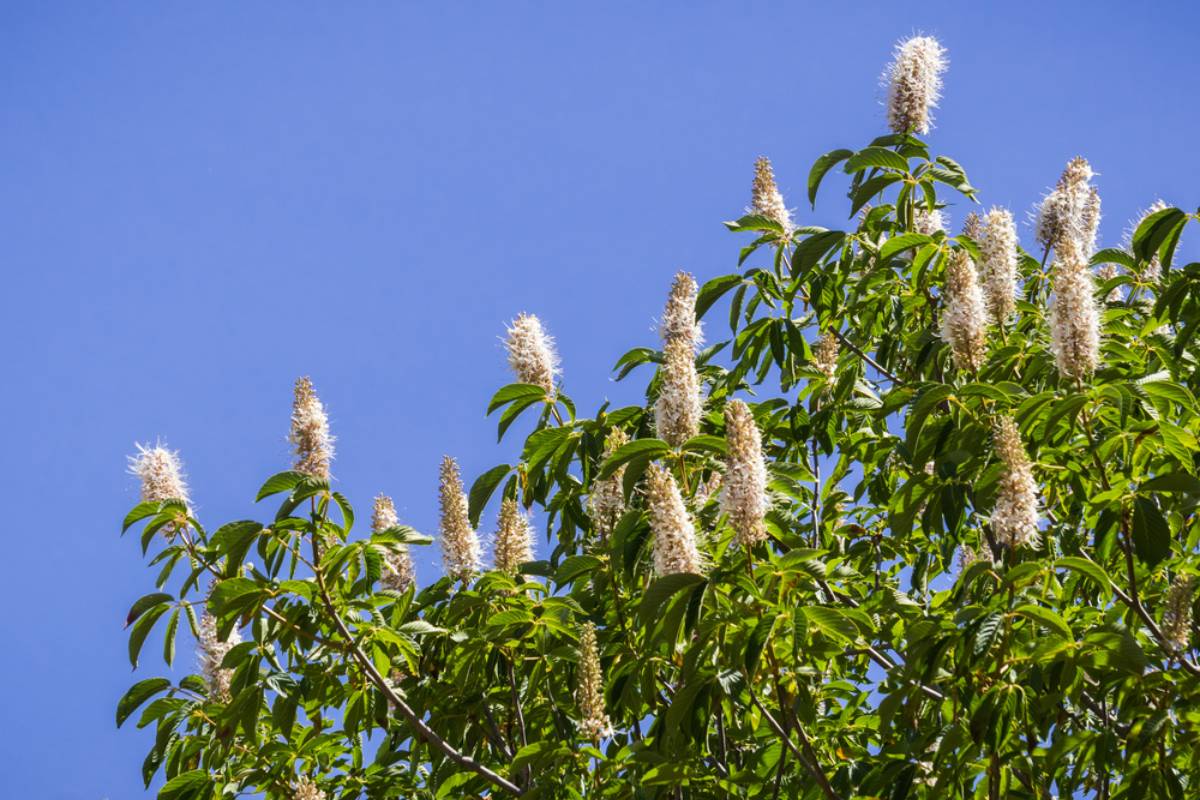
The homeowner had no reason to suspect that his beloved tree could threaten the fish swimming just a few feet away. California buckeyes are attractive native trees known for their distinctive foliage, pale flower clusters, and drought tolerance. They can be wonderful additions to suitable landscapes, particularly in California gardens where water conservation matters. Unfortunately, their beauty comes with a serious warning that this homeowner discovered far too late.
The Tree Had Been Standing There for Decades
One of the most surprising details was the tree’s age, estimated at around three decades. For years, it had apparently coexisted with the koi pond without any obvious catastrophe, making it easy to assume that the arrangement was perfectly safe. Mature trees often become permanent features of a landscape, and homeowners naturally grow attached to their shade, structure, and seasonal beauty. That long history made what happened next even more difficult to accept.
California buckeye trees are especially interesting because they follow a seasonal rhythm that can catch inexperienced gardeners off guard. They leaf out early in the year and may shed their foliage during summer as dry conditions arrive. Their pale flowers and rounded seed capsules also make them visually distinctive throughout the growing season. Yet beneath that appealing appearance lies a plant whose various parts contain compounds that can be harmful to animals.
A Routine Pruning Job Changed Everything
The trouble began when the homeowner arranged to have the buckeye pruned and cut back. Pruning is a normal part of maintaining mature trees, helping remove unwanted growth and manage branches that have become inconvenient or hazardous. It can also generate a surprising amount of debris, from fine sawdust to small wood chips and broken twigs. In this case, the homeowner believed the job was simply another step in keeping his backyard tidy and manageable.
Unfortunately, debris from the pruning ended up in the koi pond. The homeowner suspected that sawdust, tiny wood fragments, and other material had contaminated the water after the branches were cut. What initially looked like an ordinary cleanup problem soon became something far more serious. By the time he understood the scale of the damage, the pond had suffered a devastating loss.
Nearly 90% of the Koi Were Gone
The homeowner reported that almost 90% of his koi fish had died following the incident. For anyone who maintains a pond, that number is horrifying, especially when the fish have been cared for over a long period. Koi are not simply decorative objects that can be replaced without thought; many owners recognize individual fish and develop a genuine attachment to them. Losing nearly an entire population in one incident can turn a favorite garden feature into a painful reminder of what went wrong.
The scale of the loss also left the homeowner searching for an explanation. He suspected that toxic material from the buckeye had entered the water during pruning, although the precise cause was not independently confirmed in the account. Water quality problems can also contribute to sudden fish deaths, so identifying the exact mechanism would require a careful investigation. Whatever the final explanation, the experience convinced him that the tree and the pond might not be a safe combination.
The California Buckeye’s Hidden Toxicity
The biggest twist was that the tree was not necessarily dangerous because it looked unhealthy or because its branches were diseased. California buckeye, scientifically known as Aesculus californica, contains toxic compounds in its seeds, leaves, bark, and other tissues. Some of these compounds are particularly harmful to aquatic organisms, which helps explain why plant debris entering a pond deserves serious attention. A tree can look perfectly healthy while still presenting a risk to the animals living beneath its branches.
According to the USDA Natural Resources Conservation Service’s plant guidance, all parts of California buckeye are considered toxic, and its seeds and husks contain water-soluble compounds that can harm fish. This does not prove precisely how the homeowner’s koi died, but it makes his concern about buckeye debris scientifically plausible. Gardeners should therefore avoid treating this species like an ordinary ornamental tree when planning work near water. What looks like harmless sawdust to a person may be a very different matter for sensitive aquatic life.
The Strange History Behind Buckeye and Fishing
The homeowner’s discovery becomes even more striking when you learn that buckeye toxicity has a long history of human use. Indigenous communities in California traditionally used carefully prepared buckeye seeds in fishing practices, grinding them and introducing the material into suitable water environments to temporarily stun fish. This practice made it easier to collect fish in shallow streams and pools. The same basic property that made the plant useful in that historical context also explains why its toxic compounds deserve respect around backyard ponds.
That history does not mean a fallen leaf or a single wood chip will automatically kill every fish in a pond. The outcome depends on several factors, including the amount and type of plant material, water conditions, and the sensitivity of the aquatic organisms exposed. Nevertheless, the historical connection is a reminder that natural substances can have powerful biological effects. A plant does not need to look threatening to contain compounds that affect animals living nearby.
Could the Sawdust Really Have Killed the Fish?
The homeowner believed the fine wood dust and small chips were responsible for the deaths, but that explanation deserves a closer look. Toxic compounds from buckeye material are one possible concern, particularly when plant tissues are ground or broken apart and allowed to enter water. However, a sudden fish die-off can also result from low dissolved oxygen, ammonia problems, extreme temperature changes, or other water-quality disturbances. Without testing the pond water and examining the circumstances, it would be premature to declare one mechanism responsible.
A response from a person raised another possibility, suggesting that fine organic debris from tree work might have contributed to oxygen depletion or other water-quality changes. Organic material can affect water conditions as it breaks down, although the effect depends on the quantity involved and the circumstances in the pond. Other responses pointed toward the known toxicity of buckeye leaves, bark, and seeds. The important lesson is that a fish kill following pruning warrants investigation rather than relying entirely on guesswork.
Why a Mature Tree Can Become a Garden Liability
For many homeowners, a 30-year-old tree is more than a landscaping feature. It may have provided decades of shade, shelter for wildlife, and a sense of permanence that younger plants cannot match. Removing such a tree can feel like losing a piece of the property’s history, especially when it has become part of the backyard’s identity. That emotional attachment makes decisions about potentially hazardous plants much more complicated than simply choosing what to cut down.
Yet a garden is a connected ecosystem, and the suitability of a plant depends partly on what grows or lives nearby. A tree that works beautifully in an open yard may be less suitable beside a koi pond, a children’s play area, or a space frequently visited by pets. California buckeye also deserves careful consideration around animals because its plant parts are toxic if ingested. Garden planning is not only about how attractive a species looks, but also about whether its location creates avoidable risks.
The Homeowner Started Considering Removing the Tree
After losing most of his koi, the homeowner began considering removing the entire buckeye tree. His concern was understandable: the pond sat close to the tree, and future pruning, falling leaves, or dropping seeds could create additional exposure risks. He also worried about the possibility of his dogs encountering toxic plant material. What had once been a cherished mature tree now seemed like a potential source of trouble for several parts of the household.
Still, removing a mature tree is a significant decision that deserves careful thought. A qualified arborist can assess the tree’s condition, its position relative to the pond, and the practical options for reducing risk. Depending on the circumstances, those options might include removing the tree, changing the pond’s location, or establishing effective barriers against falling debris. Because the reported fish deaths were not conclusively investigated, the homeowner would benefit from understanding both the tree’s known toxicity and the pond’s water-quality history before deciding what to do.
The Dogs Added Another Layer to the Dilemma
The homeowner’s concerns extended beyond the fish because dogs also used the backyard. That changed the situation from a single unfortunate pond incident into a broader question about garden safety. Curious pets may investigate fallen seeds, chew branches, or pick up plant material while exploring outdoors, even when their owners have no reason to expect trouble. A mature tree that drops toxic material into a frequently used area can therefore require more supervision than its appearance suggests.
California buckeye plant parts should not be treated as safe chew toys or edible garden materials. Pet owners should keep animals away from fallen seeds, leaves, and pruning debris, and contact a veterinarian promptly if ingestion is suspected. Responses from other people disagreed about how likely dogs were to eat buckeye material, but the practical issue is that individual animals behave differently. Preventing access to potentially toxic debris is a more reliable strategy than assuming a pet will always avoid it.
Gardeners Should Prepare Before Pruning Near Water
The incident offers a practical lesson for anyone maintaining trees beside a pond, stream, or water garden. Before work begins, identify the tree species and consider whether its leaves, seeds, bark, or wood could pose a risk to aquatic life. Explain the pond’s location to the tree-care crew and make debris containment part of the job rather than an afterthought. Even when a tree is not known to be toxic, keeping sawdust and large amounts of organic debris out of the water is sensible pond maintenance.
A properly secured cover or temporary barrier may help prevent branches, chips, and leaves from reaching the pond during pruning. The method should be planned so it does not create hazards for workers, damage the tree, or allow debris to slide into the water from the edges. After the work is finished, inspect the pond and remove any visible material using an appropriate method. Prevention is particularly important when fish are involved because water contamination may not be obvious until the animals begin showing signs of distress.
What to Do If Fish Start Dying After Tree Work
A sudden fish die-off should be treated as an urgent pond-management problem. If fish begin gasping at the surface or dying shortly after nearby tree work, stop any further pruning and prevent additional debris from entering the water. Seek advice from an aquatic veterinarian or a qualified pond specialist, and arrange appropriate water testing to check dissolved oxygen, ammonia, pH, and other relevant parameters. Because the possible causes differ, it is important to avoid adding random chemicals or attempting drastic water changes without understanding the situation.
If toxic plant material is suspected, tell the specialist exactly which tree was pruned and when the debris entered the pond. Photographs of the tree and any remaining pruning material may help with identification, while water-test results can help narrow down the possibilities. The pond’s size, filtration system, temperature, and recent maintenance history may also be relevant. A prompt, evidence-based response gives surviving fish a better chance than waiting for the problem to resolve itself.
People Disagreed About Whether the Tree Deserved the Blame
Not everyone who heard the story agreed that the buckeye itself was necessarily responsible for the deaths. Some focused on the plant’s established toxicity, while others wondered whether the amount of sawdust and other organic matter could have affected oxygen levels or water quality. Another response suggested that the tree had existed beside the pond for years without an apparent problem, raising the question of why the incident happened after pruning. These different perspectives illustrate why timing alone cannot establish the exact cause of a fish kill.
The disagreement also highlighted a difficult gardening question: should a mature tree be removed because it presents a potential risk, or should its surroundings be modified instead? Some homeowners would prioritize protecting the pond and pets by removing the tree, while others would seek an expert assessment before making an irreversible decision. Both approaches begin with recognizing that the current arrangement may need to change. The best answer depends on the actual risks, the property’s layout, and the homeowner’s priorities.
The Real Lesson Was Bigger Than One Tree
The homeowner’s experience shows how a familiar garden can conceal a problem that only becomes obvious after something goes wrong. A California buckeye can be an attractive, drought-tolerant native tree, but its toxic properties make placement and maintenance important considerations. The presence of a koi pond and pets introduces additional responsibilities that might not be obvious when the tree is first planted. A little research before pruning could help prevent a routine landscaping job from becoming a devastating event.
For gardeners, the takeaway is not that every mature tree should be removed or that every fish death near a tree is caused by poisoning. Instead, it is a reminder to understand the plants growing around water features, communicate risks to tree-care professionals, and investigate sudden changes rather than jumping to conclusions. In this case, the homeowner went from maintaining a beautiful backyard to questioning whether one of its oldest features belonged there at all. Sometimes, the most important gardening lesson arrives not when a plant fails to grow, but when its hidden characteristics change the way an entire outdoor space must be managed.