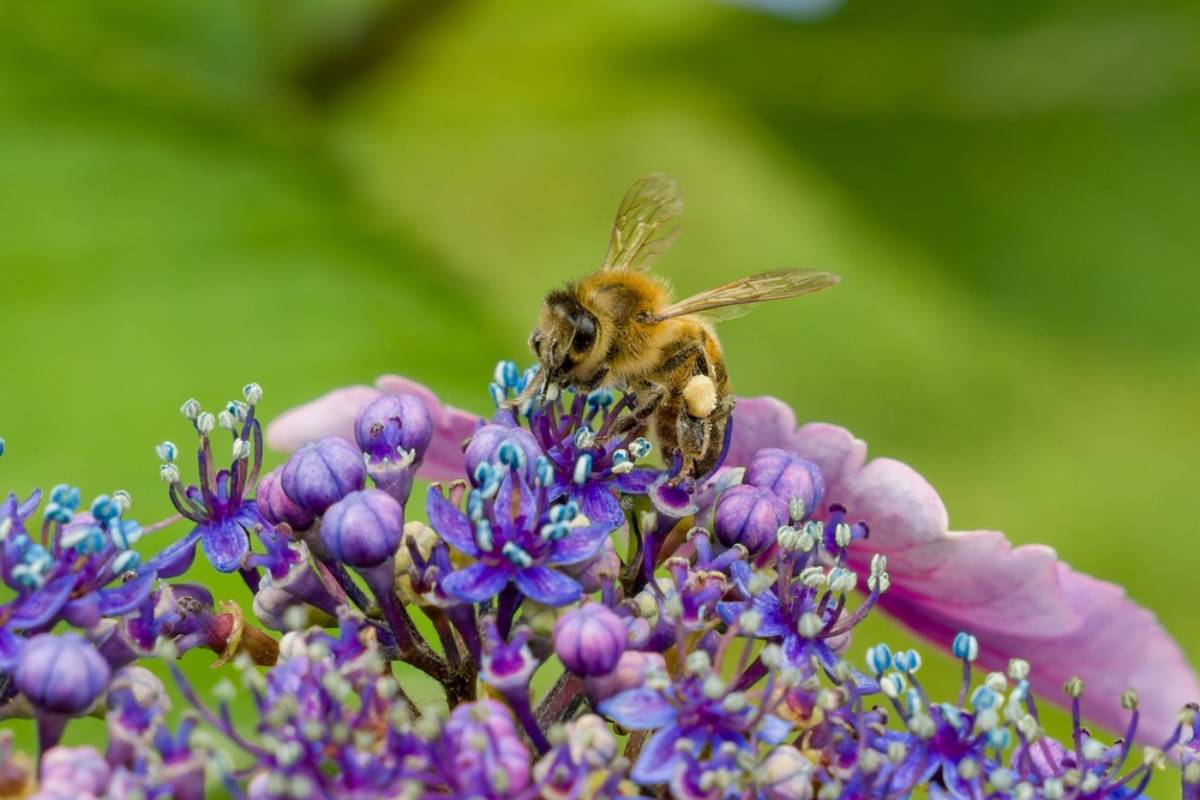
Homeowner Says a Beekeeper Placed Thousands of Honeybees Along His Property Line, Then Her Backyard Pool and Flower Garden Became Their Favorite Hangout
A person shared his story about a backyard that had everything a homeowner could want for enjoying the outdoors. The property covered three acres, with a swimming pool, beautiful flowers, and plenty of room to relax without feeling crowded. Beyond the yard stretched another 300 acres of land, where a beekeeper had rented space to keep honeybee hives. What should have been a peaceful outdoor retreat soon turned into an unexpected battle for backyard comfort.
The Beehives Were Placed Right Along the Property Line
The biggest surprise was where the beekeeper had positioned the hive boxes. Rather than placing them farther into the rented acreage, he had set them directly along the boundary separating the homeowner’s backyard from the larger property. That arrangement meant the bees had an easy route toward the neighboring yard, where the flowers and swimming pool offered plenty of places to investigate. For the homeowner, the fence suddenly felt less like a boundary and more like the entrance to a very busy insect highway.
Beautiful Flowers Became Part of the Unexpected Problem
Anyone who loves gardening knows that flowering plants can attract plenty of pollinators, and honeybees are valuable visitors in many gardens. However, there is a difference between seeing a few bees visiting blossoms and feeling as though they have taken over the entire outdoor space. The homeowner described bees appearing everywhere, making it difficult to enjoy the backyard as before. A garden designed for relaxation had become an unpredictable gathering place for its winged visitors.
The Swimming Pool Became Another Bee Magnet
The flower beds were not the only attraction drawing bees into the yard. The homeowner explained that the insects were also gathering around the swimming pool and other water sources on the property. That created an especially awkward situation because the pool was supposed to be a place for cooling off and enjoying sunny afternoons. Instead, even a simple swim could feel like an activity that required negotiating with a crowd of tiny, buzzing guests.
Guests Started Feeling Uncomfortable Around the Pool
The problem became more noticeable when the homeowner considered the people who visited the property. Friends bringing their children over to swim were no longer able to enjoy the pool without worrying about the bees surrounding them. The children were frightened by the sheer number of insects, even though the homeowner explained that he was not personally afraid of bees. A backyard gathering spot had become a source of anxiety, and that was a much bigger concern than a few insects visiting the flowers.
One Sting Made the Situation Harder to Ignore
The homeowner also mentioned having been stung once, adding a personal reminder that these encounters were not always harmless. He was not claiming that every honeybee was aggressive, nor was he suggesting that all bees should be removed from the area. His concern was that the sheer volume of bees was interfering with normal activities on his own property. The challenge was finding a reasonable solution without turning a frustrating situation into a fight over the value of pollinators.
The Homeowner Tried Researching Possible Solutions
Instead of immediately confronting the people responsible for the hives, the homeowner began researching ways to manage the situation. Some suggestions involved providing alternative water sources, including small pools designed specifically for bees. That approach might help redirect thirsty insects, but it also raised a fair question about responsibility. Should the neighboring homeowner have to set up and maintain additional water stations simply because someone else had placed beehives beside the property?
A Local Beekeeping Association Failed to Provide Help
Looking for advice from people who understood honeybees, the homeowner reached out to a local beekeeping association. The goal was to find practical guidance rather than start a neighborhood dispute or demand that the bees disappear. Unfortunately, the homeowner reported receiving no response from the organization. With the bees still visiting the pool and water sources, that attempt at finding an easy solution left him without the support he had hoped to receive.
The Person Behind the Hives Was Surprisingly Difficult to Find
Another complication was that the homeowner did not regularly see anyone working around the hive boxes. Without an obvious person to approach, even a polite conversation seemed difficult to arrange. The beekeeper was apparently operating on land rented from someone else, which meant the person responsible for the bees was not necessarily the same person managing the property. What initially looked like a straightforward conversation between neighbors had turned into a small mystery about who was actually in charge.
The Homeowner Was Not Looking to Declare War on Bees
Despite the frustration, the homeowner made it clear that he was not afraid of honeybees themselves. His concern centered on the practical consequences of having so many bees gathering around the places where his family and guests wanted to spend time. This distinction mattered because honeybees contribute to pollination, while homeowners also deserve to feel comfortable using their outdoor spaces. The real challenge was finding a solution that respected both the bees’ role in the environment and the people living beside them.
A Response From a Person Raised the Question of Water
A response from a person in a similar discussion pointed toward a practical consideration: bees need reliable water sources, particularly when conditions are hot and dry. Pools, damp soil, dripping faucets, and other sources of moisture can become attractive stopping points for thirsty insects. Providing a suitable water source near the hives may sometimes help redirect their activity, although it cannot guarantee that bees will stop visiting neighboring properties. For a homeowner dealing with a large number of visitors, the idea offered a possible starting point rather than a guaranteed fix.
The Homeowner Finally Tracked Down the Beekeeper
The story took a turn when the homeowner posted an update explaining that he had finally managed to identify and contact the person keeping the bees. He learned that the beekeeper was leasing space from the individual who had rented out the larger property. Even more surprisingly, the beekeeper managed thousands of hives across the city and several parishes. What had seemed like a problem involving one neighboring patch of land was connected to a much larger beekeeping operation.
The First Conversation Was Better Than Expected
After all the difficulty locating the right person, the homeowner reported that the beekeeper was nice and easy to talk to. He also emphasized that he had approached the conversation politely rather than immediately accusing the beekeeper of causing trouble. That detail changed the tone of the story because the situation had not automatically turned into an argument between two people defending their own interests. Sometimes, identifying the right person and opening a calm conversation is the first meaningful step toward resolving a neighborhood problem.
The Garden’s Biggest Problem Was Not Necessarily the Flowers
The story highlights a tricky reality for gardeners who live near apiaries: attracting pollinators is usually a welcome goal, but large numbers of bees can make certain outdoor activities uncomfortable. Flowering plants, swimming pools, and other water sources may all draw their attention, particularly when suitable alternatives are limited. Gardeners facing a similar issue can document when and where the bees gather, speak with the beekeeper, and explore practical measures together rather than immediately reaching for insecticides. Because honeybees are important pollinators, avoiding unnecessary harm while addressing genuine safety concerns is a sensible priority.
The Unexpected Twist Was That Finding the Beekeeper Changed Everything
The most important development was not a dramatic showdown, a destroyed garden, or a sudden disappearance of the bees. Instead, the homeowner finally found someone who could discuss the problem directly, and the first conversation reportedly went well. Although the update did not establish that the bees stopped visiting the pool or that a permanent solution was reached, it showed that communication was possible. For anyone whose peaceful garden has become an unexpected wildlife hotspot, that may be the most useful lesson of all: before the backyard turns into a full-blown neighborhood feud, finding the right person to talk to can make all the difference.