Homeowner Says a Massive Oak Sent Branches Across Her Roof for Eight Years, Then One Small Cut Triggered a $450,000 Threat
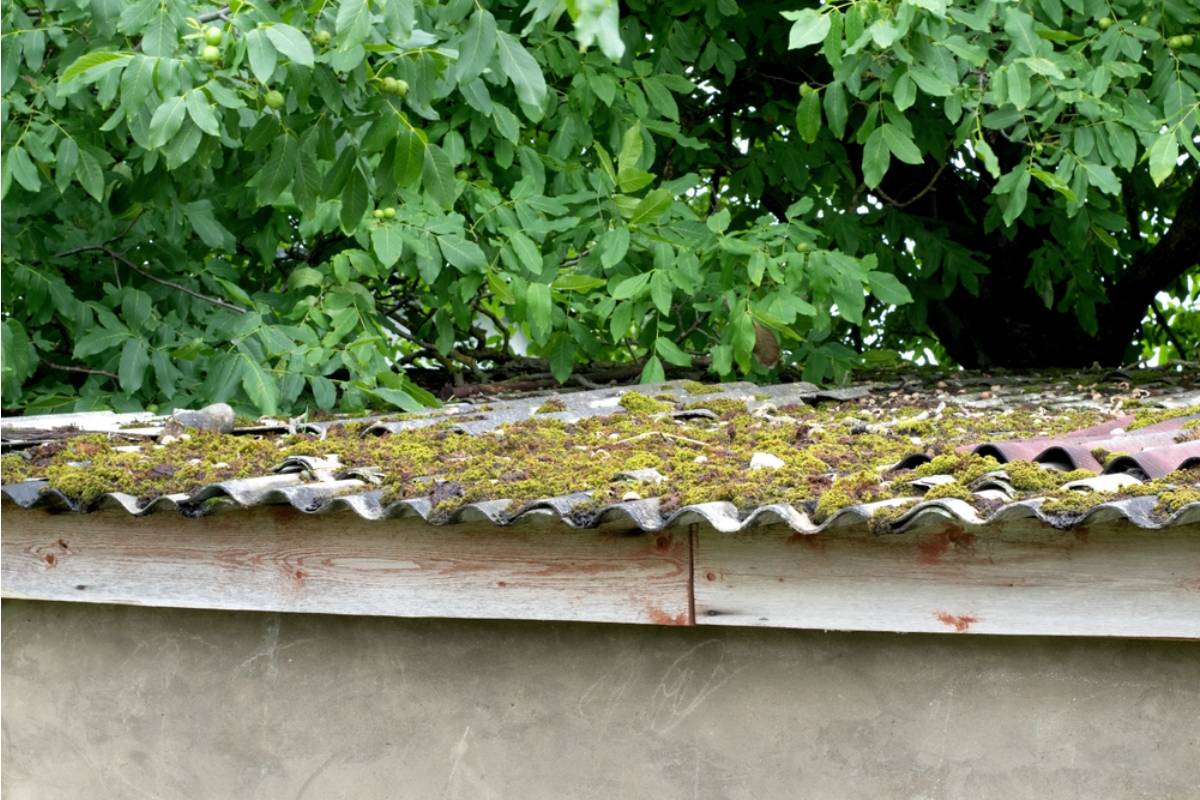
A homeowner had spent nearly eight years dealing with a massive oak tree growing on a neighbor’s property. Its branches stretched across the property line, hanging over the roof, deck, and backyard like the tree had quietly decided to claim a second address. What started as an ordinary tree-maintenance problem slowly turned into one of those neighborhood disputes that somehow grows bigger every year.
The homeowner said the branches caused repeated property damage and interfered with everyday use of the yard. Requests were made again and again, but instead of a simple trimming solution, the situation became increasingly tense. Eventually, the homeowner found herself wondering whether a tree could somehow become more difficult to negotiate with than an actual person.
Eight Years of Asking
According to the homeowner, the first serious trimming took nearly two years to happen. Even after that, the neighbor trimmed the portions of the tree closest to her own house while leaving the branches extending toward the other property largely untouched. The homeowner said she repeatedly documented the damage and continued asking for a reasonable solution.
Every season seemed to bring another reminder of the same problem. Dead branches remained above the roof, limbs reached into the deck, and other growth stretched toward utility lines. What should have been routine maintenance had turned into an annual ritual of requests, frustration, and increasingly uncomfortable conversations.
The Branch Over the Deck
Eventually, one particular branch became impossible to ignore. It extended far enough across the property line that the homeowner said she could not comfortably walk across and use her own deck. After years of waiting, she decided to make one limited cut.
She described the cut as narrow and practical rather than an attempt to reshape or damage the tree. The goal was simply to remove the branch that had become an obstacle on her side of the property. At the time, she probably expected the most dramatic part of the story to be the sound of a saw.
Then Came the Letter
Three days later, the homeowner received a demand letter from the neighbor’s attorney. Instead of a conversation about future trimming, the letter threatened litigation and cited Iowa’s statute concerning the willful injury of trees. The demand reportedly included a warning that damages could reach as high as $450,000.
Suddenly, one branch had transformed an ordinary landscaping dispute into something resembling a courtroom drama. The homeowner was also being asked to stop cutting the tree and sign an agreement giving the neighbors continuing control over the tree’s overhanging portions. The situation had officially moved far beyond gardening.
A Very Different Interpretation
The homeowner’s position was straightforward. She said the tree was rooted on the neighbor’s property, but the particular branch she removed was hanging across her own property. She also pointed to an old Iowa case, Harndon v. Stultz, which she believed supported an adjoining owner’s ability to remove encroaching branches at the property line.
The neighbors, however, apparently viewed the trimming very differently. Their argument was that cutting the branch could damage the overall health of the oak, making the homeowner responsible for harming a valuable tree. Suddenly, the same cut could be described either as ordinary property maintenance or as serious tree damage depending on which side of the fence was telling the story.
The Oak Wilt Complication
Things became even more complicated when oak wilt entered the discussion. The neighbor reportedly argued that the homeowner had been warned about the disease and therefore knew that cutting the oak could create additional danger. That allegation gave the dispute a new layer because timing and pruning methods can matter when dealing with susceptible oak trees.
The homeowner had her own explanation. She said she had spent eight dormant seasons asking for the branches to be addressed and had never intended to harm the tree. In her telling, the real problem was not sudden enthusiasm with a saw but years of being threatened whenever she tried to find a practical solution.
Three Arborists Walk Into the Story
Rather than relying entirely on arguments between neighbors, the homeowner sought professional opinions. The neighbor’s arborist reportedly concluded that the trimming being requested could seriously harm or even kill the tree. That sounded alarming, especially when combined with the oak wilt concerns.
Then two other certified arborists reached a different conclusion. According to the homeowner, both believed the requested trimming could be performed without causing the kind of damage being alleged. With three professionals offering conflicting opinions, the oak itself seemed to have acquired its own legal team.
The Reports Became Important
Responses from people following the situation emphasized the importance of getting the arborists’ opinions in writing. Photographs, reports, videos, records of previous damage, and documentation of every request could all help establish what happened over the years. The homeowner had already spent a long time creating a paper trail, which suddenly looked much more valuable.
The practical advice was to rely on qualified professionals rather than neighborhood arguments about how much trimming was safe. A certified arborist could establish what should be removed, how much could be removed, and when it should be done. That would give the homeowner something more useful than a heated conversation across a fence.
The Neighbor Had Trimmed Her Side
One detail made the situation particularly frustrating for the homeowner. She said the neighbor had already trimmed the portions of the oak closest to her own house, creating substantial clearance around her property. Meanwhile, limbs extending toward the homeowner’s house remained over the roof, deck, and other areas.
The homeowner said she had never demanded that the neighbor personally perform the work. In fact, she repeatedly asked whether she could arrange the trimming herself. According to her account, those efforts were discouraged with threats of legal action, leaving her stuck between an overgrown tree and the fear of making the situation worse.
The Former Lawyer Next Door
The dispute became even more intimidating when the homeowner revealed that the neighbor was a former lawyer. That detail explained why the demand letter had felt particularly formal and threatening. It also added another strange twist to an argument that had started with tree branches crossing a property line.
A response from a person pointed out that a demand letter can contain almost anything its sender wants to threaten. The more important issue, they suggested, was what would actually happen if the matter reached court. After already spending thousands on legal advice, the homeowner said her own attorneys had confirmed her understanding of the relevant law.
The Tree Above the Power Lines
The homeowner also described branches remaining near power lines and dead limbs hanging above the roof. Those details changed the problem from a simple landscaping annoyance into a potential property-safety concern. A giant tree can be beautiful right up until one of its limbs decides gravity has become an interesting hobby.
Another response from a person suggested documenting every hazardous area with photographs and video. That kind of record could help establish that the homeowner had not suddenly become reckless with the tree. Instead, she had been dealing with an ongoing condition that had repeatedly affected her property.
The Question of Who Is Responsible
One of the biggest practical questions was who should actually be responsible for dealing with branches that cross a property line. The homeowner initially expected the tree owner to address them, while others pointed out that an adjoining landowner may have rights regarding vegetation extending onto their own property.
That distinction became central to the entire dispute. The homeowner said she had asked for permission because she believed the neighbor’s threats meant she needed it, only to discover later that the legal situation might not work that way. Eight years of uncertainty had apparently been caused, at least in part, by confusion over where the neighbor’s authority ended.
One Tiny Cut, One Giant Number
The most astonishing part of the story was the jump from a single branch to a six-figure threat. The homeowner said the demand letter warned of potential damages up to $450,000 if the tree was harmed. For someone simply trying to walk across her own deck, that number must have felt almost surreal.
The dispute had somehow gone from pruning shears to legal calculations that could rival the value of entire homes. A tree that had spent years quietly growing had finally become the most expensive thing in the neighborhood, at least on paper. The homeowner’s question was no longer simply how to trim it, but how to live normally without triggering another threat.
What the Homeowner Plans to Do Next
The practical path forward appeared to involve professional arborists, written reports, careful documentation, and continued work through the homeowner’s own legal counsel. Rather than making another impulsive cut, the homeowner could use the conflicting arborist opinions to establish a documented pruning plan. That would make the next step far more deliberate than the branch removal that started the latest confrontation.
The homeowner also intended to keep records of the tree’s condition and the damage occurring on her property. Every photograph, report, letter, and professional opinion could become another piece of the larger story. After eight years, the goal seemed less about winning an argument and more about finally finding a way to use and protect her own yard.
The Oak May Be the Real Neighborhood Boss
At this point, the story has almost everything a bizarre gardening saga needs. There is an enormous oak, years of frustration, competing arborists, legal threats, power lines, a deck that cannot be used comfortably, and a former lawyer defending a tree with remarkable determination. The only thing missing is the oak itself sending a demand letter through the mail.
The homeowner’s experience shows how quickly a simple landscaping problem can become complicated when property lines, safety concerns, tree health, and competing interpretations of the law collide. The funniest part may be that the original request was never particularly ambitious. She did not want to remove the whole tree, build a parking lot, or turn the yard into a botanical empire; she wanted one branch out of the way.