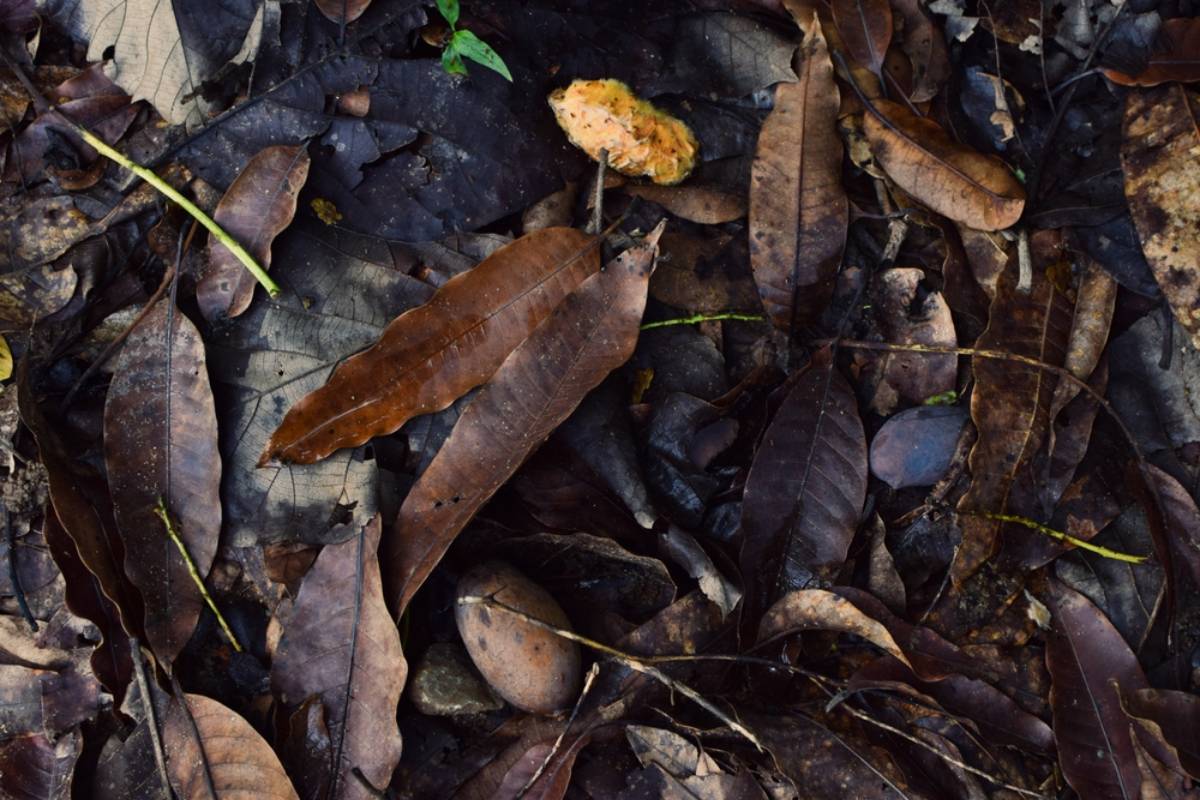
Homeowner Says a Massive Tree in the Neighbor’s Garden Has Turned Their Outdoor Space Into a Never-Ending Cleanup Job, Then the Battle Over Falling Debris Raises Bigger Questions About Who Should Take Responsibility
Moving into a new home often comes with exciting plans for the garden, from planting colorful flowers to creating a peaceful outdoor retreat. But for one homeowner, a towering tree in the neighbor’s garden quickly became a source of frustration, leaving her wondering whether she had inherited a gardening problem she could never escape.
A person shared his story after noticing that the enormous tree was spreading across much of his garden, dropping debris and even shedding larger branches during windy weather. What began as an annoying cleanup chore soon became a more serious concern when the homeowner worried about a falling branch hitting her child.
The Neighbor’s Massive Tree Was Impossible to Ignore
The homeowner had recently moved into the property and discovered that the neighbor’s tree was much larger than anything growing in her own garden. Its branches stretched across a considerable portion of the outdoor space, creating an imposing canopy that seemed to dominate the entire area.
At first, the tree’s presence might have seemed like a charming feature of the neighborhood. However, the constant mess gradually changed that impression, turning what should have been an enjoyable garden into another place that needed regular cleaning.
Falling Branches Turned an Ordinary Garden Into a Worrying Place
The situation became more concerning after a windy day brought down larger twigs and branches into the homeowner’s garden. Instead of simply collecting a few fallen leaves, she was now dealing with debris that made her question whether the tree had become a safety hazard.
Her biggest concern was not about appearances or having to sweep the patio every morning. She was worried that a substantial branch could fall while her child was playing outside, making the problem much more personal than an ordinary disagreement about garden maintenance.
The Tree Was Beautiful, but Its Size Created Problems
One frustrating detail was that the tree was not necessarily unattractive or unwanted by everyone who saw it. Some people responding to the homeowner’s story thought it looked magnificent and argued that mature trees bring character, shade, and wildlife into residential gardens.
That created an awkward dilemma because the homeowner was not simply demanding that a beautiful tree disappear. She was trying to find a way to protect her family and enjoy her own outdoor space without unnecessarily damaging a tree that had apparently been growing there long before she arrived.
Moving Into the House Came With an Unexpected Gardening Challenge
The homeowner acknowledged that the tree had already been there when she viewed and purchased the property. However, knowing that a large tree exists and discovering the practical consequences of living beside it can be two very different experiences.
The constant debris, the spreading branches, and the possibility of falling wood had become increasingly difficult to ignore. What once looked like a simple feature of the neighboring garden now seemed like a maintenance issue that could follow her through every season.
One of Her Own Trees Had Started to Die
The falling branches were not the only reason the homeowner was concerned about the tree. She also explained that one of the smaller trees in her own garden had died, and she suspected that the neighboring giant might have contributed to the problem.
Large trees can cast considerable shade and compete with nearby plants for water, depending on their size, root systems, and growing conditions. Although the homeowner suspected that the neighboring tree was responsible, the cause of the smaller tree’s death had not been confirmed, leaving another question hanging over the garden.
She Wanted to Trim the Overhanging Branches
Rather than immediately demanding that the neighbor remove the entire tree, the homeowner considered having the branches extending over her property cut back. This seemed like a possible compromise that could reduce the immediate nuisance without eliminating the mature tree altogether.
There was one obvious complication, though: the tree was almost as tall as the house. Trimming a few low branches might be manageable, but safely removing substantial growth from such a large tree would likely require professional help.
Would Cutting the Branches Damage the Neighbor’s Tree?
The homeowner’s central question was whether removing the considerable overhang could harm the tree itself. She did not want to solve one problem only to create another by leaving the neighboring tree badly shaped, unhealthy, or vulnerable to further damage.
The responses from other people suggested that careful pruning could be possible, but the method and timing mattered. Removing too much growth, cutting major limbs incorrectly, or leaving the tree unbalanced could create problems, so professional advice would be sensible before any substantial work began.
The Question of Who Should Pay for the Work
The financial side of the problem added another layer of frustration. The homeowner wondered why she should have to pay for trimming when the tree belonged to someone else and the branches were responsible for much of the mess entering her garden.
Some responses suggested speaking to the neighbor first and asking whether they would be willing to arrange the work or contribute toward the cost. That approach could save both parties from an unnecessary dispute, particularly if a professional could identify a reasonable way to reduce the overhang without harming the tree.
Some People Thought the Homeowner Should Accept the Fallen Leaves
Not everyone sympathized with the homeowner’s frustration about the cleanup. One response pointed out that the tree had existed before she bought the property, suggesting that falling leaves and natural debris were part of the bargain of living beside a mature tree.
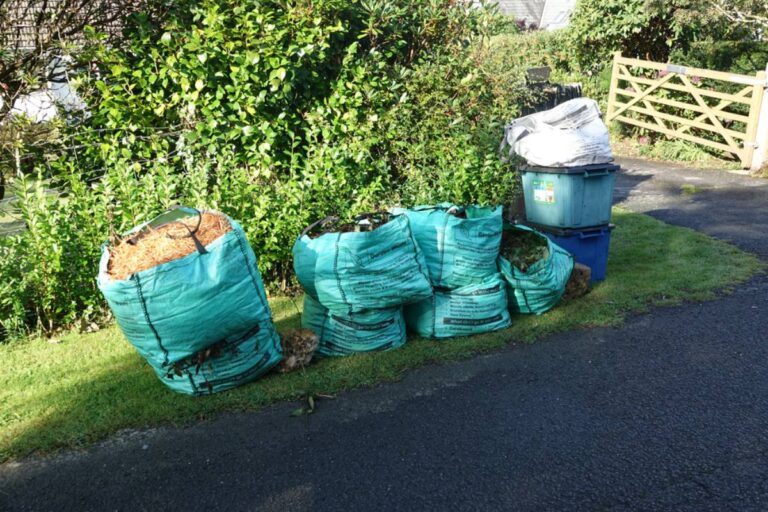
Others took a more practical approach, arguing that fallen leaves could become a useful gardening resource instead of being treated as rubbish. The suggestion was to collect them and allow them to rot down into leaf mould, turning an irritating chore into something that could eventually improve the garden’s soil.
The Unexpected Twist Was That the Mess Could Become Useful
For a homeowner already tired of sweeping and raking, the idea of deliberately keeping some of the fallen material might have sounded ridiculous. Yet decomposed leaves can provide a valuable soil amendment, making them useful for improving soil structure and supporting moisture retention in suitable garden beds.
There was a catch, of course: leaf mould takes time to develop, and piles of organic material need to be managed sensibly. Still, the suggestion offered a different perspective on the situation, showing that even an unwanted mountain of leaves might have a productive purpose.
Bird Nesting Season Added Another Complication
The homeowner was also mindful of the possibility of disturbing birds if the branches were trimmed at the wrong time. This meant that arranging the work was not simply a matter of finding an available tree surgeon and booking the earliest appointment.
One response cautioned that active nests needed to be considered before any pruning took place. The homeowner indicated that she was willing to wait until after nesting season, showing that she wanted to find a solution without creating unnecessary trouble for the wildlife using the tree.
The Neighbor’s Cooperation Could Make All the Difference
Although the homeowner was frustrated, discussing the problem before arranging major pruning could still offer the best chance of a peaceful outcome. A conversation might reveal whether the neighbor was already concerned about the loose branch or would be willing to share the expense of professional maintenance.
That possibility was especially important because the tree was large enough to require careful handling. If both homeowners could agree on a sensible plan, they might reduce the debris and safety concerns without turning a gardening nuisance into a lasting neighborhood feud.
The Tree Might Not Be the Only Problem in the Garden
The homeowner’s concerns also raised a broader question about how a mature tree affects the space around it. Shade, competition for water, and the physical spread of branches can influence which plants thrive nearby, meaning that simply cutting back the overhang might not solve every problem.
The death of her smaller tree was a reminder that gardens are complicated environments where several factors can affect plant health. Before blaming the neighboring tree entirely, it would be worth checking the smaller tree’s growing conditions and considering whether it had received enough light, water, and suitable care.
A Professional Assessment Could Prevent a Costly Mistake
Because the tree was nearly as tall as the house and had already shed a large branch, a qualified arborist could help assess its condition and recommend appropriate action. An inspection could distinguish ordinary seasonal debris from signs of structural weakness that might require more urgent attention.
Professional advice could also help determine how much pruning would be appropriate and whether removing particular branches might affect the tree’s long-term health. Given the concern about a child being struck by falling wood, any potentially dangerous area should be kept clear until the situation has been assessed.
The Final Lesson Was About Finding Balance Between Nature and Neighbors
The homeowner’s story showed how quickly a seemingly harmless garden feature can become a source of stress when its size begins affecting the people living nearby. A magnificent tree can offer shade, shelter, and beauty while simultaneously creating maintenance demands and legitimate safety concerns.
The most useful outcome would be one that protects the family, respects the tree, and avoids an unnecessary conflict between neighbors. And perhaps the biggest surprise is that the solution may not involve removing the tree at all, but finding a careful way to manage its branches, make use of its fallen leaves, and give the rest of the garden a better chance to thrive.