Homeowner Says a Neighbor Kept Driving His Car Across Their Lawn to Avoid Moving Parked Cars, Then an HOA Rule Turned a Simple Garden Border Into a Bigger Problem
A person shared his story about a frustrating neighbor who seemed to have decided that the easiest route out of his driveway was straight across someone else’s front lawn. The neighbors owned a Tesla, and with what appeared to be a small car dealership’s worth of vehicles parked in their driveway, getting out without moving anything had become a challenge. Rather than rearranging their own cars, however, they apparently found a shortcut that involved driving over the grass next door.
At first, the homeowners probably thought the occasional tire tracks were a temporary annoyance rather than the beginning of a landscaping disaster. Unfortunately, repeatedly driving over grass can compact the soil, damage the roots, and leave behind bare patches that are difficult to repair. Before long, the lawn was showing visible signs of distress, and the homeowners had a much bigger problem than an untidy strip of grass.
One Shortcut Was Slowly Destroying the Garden
The frustrating part was that the neighbor’s shortcut was not happening on his own property. Every time the Tesla crossed the lawn, the homeowners were left dealing with the consequences, including grass that was turning brown and dying in a noticeable patch. What might have looked like a harmless maneuver from behind the steering wheel was becoming an expensive headache for the people who actually maintained the yard.
For anyone who takes pride in a neat garden, watching a healthy lawn deteriorate because somebody else cannot be bothered to move a parked vehicle would be enough to spoil the morning. Grass needs time to recover from ordinary wear, and repeated vehicle traffic can make matters considerably worse. The homeowners had every reason to hope that a simple conversation would put an end to the driveway detour before they had to reseed or replace the damaged turf.
The Homeowners Tried Being Nice First
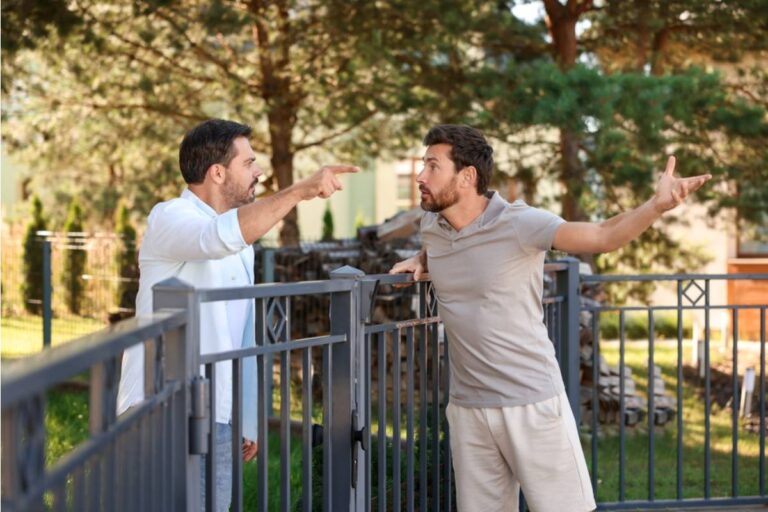
Instead of immediately starting a neighborhood feud, the homeowners decided to approach their neighbor politely and explain what was happening. They pointed out the large patch of dead grass and asked him to stop driving across their property. It was a perfectly reasonable request, especially considering that the damage was occurring in the very place they were trying to keep green.
The neighbor reportedly responded with a casual acknowledgment along the lines of, “Oh, is it? My bad.” For a moment, that sounded promising, as though the problem had finally been brought to his attention and would disappear with a quick apology. The homeowners had little reason to expect that this brief exchange would turn into a lesson in how difficult it can be to make someone respect a property line.
The Apology Did Not Change Anything
Unfortunately, the polite conversation did not produce the happy ending the homeowners had hoped for. The neighbor continued driving across the grass, apparently treating the request as an inconvenience rather than a boundary that deserved to be respected. Meanwhile, the damaged patch remained a daily reminder that saying sorry and actually changing your behavior are two very different things.
That was when the situation became especially irritating, because the homeowners had already given their neighbor a chance to correct the problem without confrontation. They were not asking him to redesign his driveway or buy fewer cars, just to stop using their lawn as a convenient exit route. When a simple request fails, even the most patient gardener can begin wondering whether the next step should involve a shovel, a landscape plan, or a more formal complaint.
The Cameras Were Already Watching
In many neighborhood disputes, the first suggestion is to install a camera and document what is happening. In this case, however, the homeowners had already thought of that, with a camera system capable of detecting movement along their property boundaries. It could identify both vehicles and people, which meant the neighbor’s repeated trips across the lawn were not exactly happening under the cover of mystery.
They also had video footage showing the unwanted driving, so proving that the grass was being crossed was not the main difficulty. The real problem was that the homeowners did not believe showing the neighbor more evidence would persuade him to stop. Their predicament had become a particularly annoying combination of a damaged lawn, a neighbor who ignored a polite request, and a camera that could document the problem without actually solving it.
Then the HOA Entered the Picture
Just when a simple garden border seemed like the obvious solution, the homeowners revealed another complication: their neighborhood had a homeowners association. That meant they could not simply install a fence, add pickets, or make any front-lawn modification they fancied. Certain changes would need approval before the first post went into the ground, turning what should have been a straightforward landscaping project into a small bureaucratic adventure.
For gardeners living under HOA rules, this kind of restriction can be especially frustrating because the front yard is often one of the most visible parts of the property. A practical solution still has to comply with the community’s requirements for fencing, edging, and decorative features. The homeowners needed something that would protect their grass without inviting a second dispute with the neighbor or a stern letter from the association.
One Response Suggested a Border of Large Rocks
A response from a person proposed a wonderfully straightforward idea: place large landscaping rocks along the edge of the lawn where the Tesla kept crossing. Unlike a delicate row of flowers, a properly positioned border of substantial decorative stones can make an unwanted driving route much less convenient. It could also look like an intentional garden feature rather than an improvised barricade built out of pure frustration.
Other people agreed that physical barriers might succeed where polite conversations had failed. The key would be choosing stable, clearly visible landscape stones and checking whether the HOA permitted them before installing anything. The goal would be to protect the grass and make the property boundary obvious, not to damage a vehicle or create a hidden hazard for anyone using the driveway.
Heavy Planters Could Become Unexpected Garden Guardians
Large planters offered another appealing possibility, particularly for homeowners who wanted something a little more attractive than a row of rocks. A substantial planter filled with ornamental grasses, compact evergreen shrubs, or seasonal flowers could create a clear boundary while adding color and structure to an otherwise ordinary front lawn. If positioned appropriately and approved by the HOA, the planters could make the garden look more thoughtfully designed while discouraging vehicles from cutting across the turf.
One response described how a family had used a large planter to address a similar problem with neighboring property. The idea was simple: choose a planter that would not be easy to move accidentally and put it where the unwanted traffic kept occurring. It was a reminder that the most effective garden solutions sometimes do double duty, protecting the landscape while making it more attractive.
A Fence Would Solve the Problem, but There Was a Catch
Fencing was another popular suggestion because even a modest garden boundary can communicate something that a patch of grass apparently could not. A low decorative fence might prevent cars from crossing the lawn while giving the front garden a neat, finished appearance. Depending on local rules and the layout of the property, a suitable barrier could be more reliable than hoping the neighbor would suddenly develop a passion for respecting boundaries.
The complication was that the homeowners had already explained that their HOA restricted fences and other front-yard modifications. They could not assume that a quick trip to a hardware store would settle the matter, no matter how satisfying the thought might be. Before spending money on materials, they would need to check the association’s rules, determine what was permitted, and look for an approved option that addressed the problem without creating another one.
Some People Wanted the Neighbor to Face the Consequences
Not every response focused on landscaping, because some people believed the homeowners should stop paying for a problem they had not created. With video footage already available, they suggested documenting the damage, making a formal complaint, and looking into the appropriate local process for addressing trespassing or property damage. From their perspective, the neighbor had already received a polite warning, so another conversation might accomplish very little.
Others pointed out that installing large rocks, replacing dead grass, or building a fence could become expensive, especially when the homeowners were not responsible for causing the damage. The exact legal options would depend on local law, property boundaries, and the evidence available, so taking measured steps would be wiser than assuming a particular consequence was guaranteed. Keeping dated footage and photographs of the damaged lawn could help establish what happened if the homeowners eventually needed to make a formal complaint.
The Garden Decorations Had a Second Job
A more creative way to approach the problem would be to think of the lawn’s edge as a miniature landscape-design project rather than simply an area that needed defending. Depending on HOA rules, the homeowners might be able to use approved edging, decorative boulders, sturdy planters, or a carefully designed planting bed to make the boundary more noticeable. Those features could turn a vulnerable strip of turf into an attractive transition between the driveway and the garden.
Plant selection would still matter, especially if the homeowners wanted to avoid creating a new maintenance headache. Compact shrubs, ornamental grasses, and hardy perennial plants could offer structure without spreading too far onto the lawn or obstructing visibility. The important detail would be to choose features that discourage vehicles through their visible presence and sensible placement, rather than anything concealed or deliberately dangerous.
The Real Problem Was Bigger Than a Patch of Dead Grass
At its heart, the dispute was not simply about whether a Tesla was too heavy to drive across a lawn. It was about one household repeatedly using someone else’s property to avoid the inconvenience of moving its own vehicles, even after being asked to stop. The grass became the most visible casualty, but the homeowners’ frustration came from having their reasonable request ignored.
That distinction matters because repairing the lawn alone would not prevent the same thing from happening again. Even freshly laid turf could end up damaged if the neighbor continued using the same shortcut, potentially forcing the homeowners to repeat the repair. A lasting solution would need to address both the physical route across the garden and the ongoing boundary dispute.
The Best Next Step Might Be a Little Less Dramatic
The homeowners already had an important advantage: footage documenting the behavior and evidence of the damage. A practical next step would be to save the relevant recordings, photograph the lawn’s condition, and review the HOA rules for approved landscaping barriers. If the driving continued, they could consider raising the matter formally with the association or seeking guidance from the appropriate local authority about their options.
Meanwhile, any lawn repair would be more successful once the repeated traffic had stopped. Compacted areas might need careful soil improvement and reseeding, while badly damaged sections could require replacement turf, depending on the season and local growing conditions. It would be frustrating to spend money restoring the grass only to watch another set of tire tracks appear, so preventing further damage should come first.
A Few Rocks Could End Up Changing the Whole Story
There was no confirmed follow-up in the story explaining whether the homeowners ultimately installed rocks, chose heavy planters, or took the matter to the HOA. That leaves the ending open, with the homeowners still searching for a solution that would protect their yard without violating community rules. After an apology failed and camera footage proved insufficient to change the neighbor’s behavior, even an ordinary landscaping decision had taken on the feel of a neighborhood standoff.
Perhaps the most satisfying outcome would be a tidy border of approved garden features, a recovering lawn, and a neighbor who finally finds another way out of his driveway. The irony is that the homeowners never wanted a major landscaping project in the first place; they simply wanted to keep their grass alive. Sometimes a garden needs a little extra design to flourish, but it should not have to become a driveway just because the person next door dislikes moving his cars.