Homeowner Says a Neighbor Left a Glowing Online Review for Her Backyard Nursery, Then Admitted She Wrote It Just to Get First Pick of a Rare Shipment
For years, Denise Harper had run a tiny backyard nursery behind her suburban home in North Carolina, selling unusual native plants to local gardeners who preferred buying directly from growers.
Her neighbor, Paula Benton, had always praised the nursery and recently posted an enthusiastic online review that brought Denise a wave of new customers. Then Paula admitted the review had never been about helping Denise at all. She had written it because she wanted to make sure she would be first in line when a rare shipment arrived.
The Nursery Behind the Garage
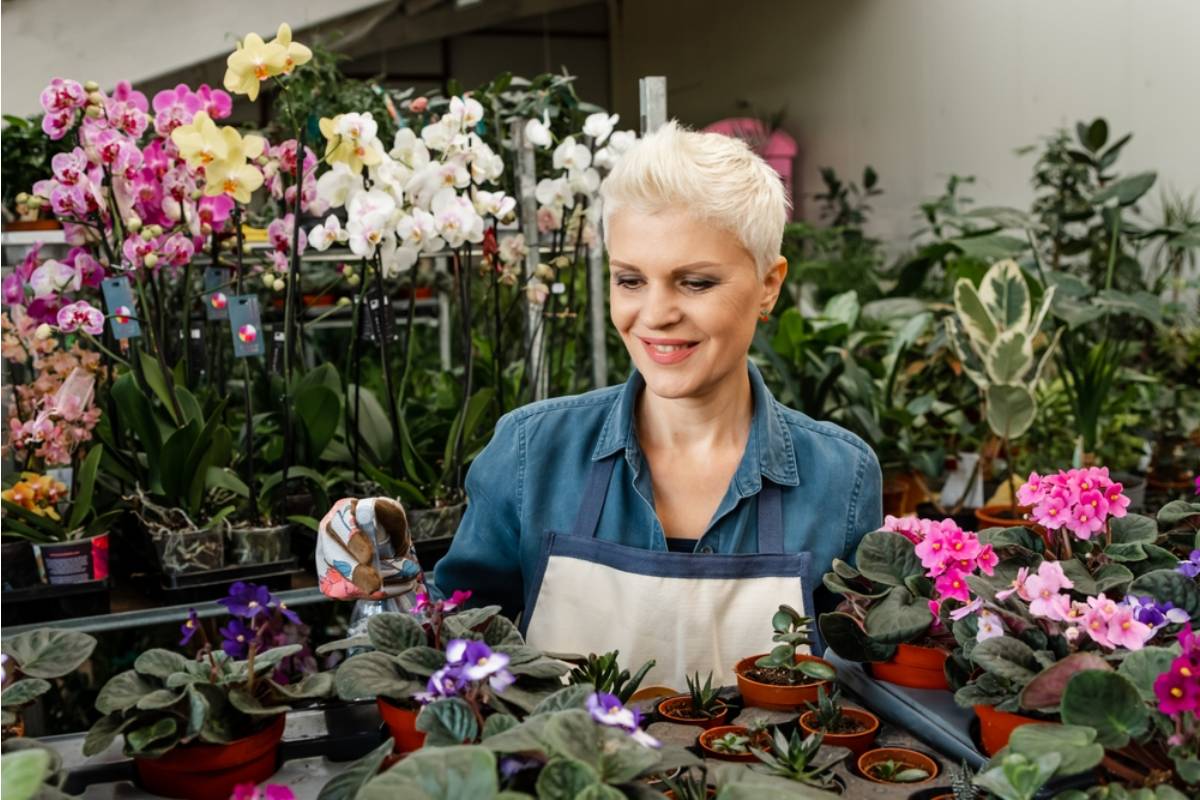
Denise’s backyard nursery had started with a single wooden table and a few pots of native plants she had propagated for friends. Over time, the operation grew into neat rows of containers beneath shade cloth, with handwritten labels marking milkweed varieties, native azaleas, pawpaws, and other plants that were difficult to find at ordinary garden centers.
She never considered herself a business owner in the traditional sense. “I just grow things people can’t find,” Denise often told customers. Her regulars appreciated that she could explain where each plant came from, what conditions it needed, and whether it belonged in a particular part of the state.
Paula Starts Visiting More Often
Paula lived two houses away and had known Denise for nearly eight years. At first, she stopped by occasionally to admire the plants, but her visits became more frequent after she became interested in restoring her own backyard with native species.
She asked Denise countless questions about soil, pollinators, pruning, and propagation. Denise never minded helping her because she believed that encouraging people to plant native species was good for the entire neighborhood.
The Compliments Become Public
One Saturday, Denise noticed that Paula was taking photographs around the nursery. Paula explained that she wanted to write a review online because she had been impressed by the selection.
“You should tell people how much work you put into this,” Paula said.
Denise laughed and replied, “You don’t have to advertise for me.”
Paula insisted. “People should know about this place.”
Denise thanked her and thought little more about it.
The Review Appears
Two days later, Denise received several notifications from her nursery’s online business profile. Paula had posted a glowing five-star review describing Denise as knowledgeable, generous, and unusually careful with her plants.
The review praised the nursery’s rare selections and said customers should contact Denise before visiting because some varieties sold out quickly. Denise was surprised by how detailed it was.
She sent Paula a message saying, “Wow, thank you. That was incredibly kind.”
Paula replied, “You deserve it.”
Customers Suddenly Start Calling
Within days, Denise began receiving inquiries from gardeners she had never met. Several mentioned Paula’s review when they contacted her.
One customer said, “Your neighbor made it sound like you have the best native plant selection around.”
Denise found the attention flattering but also slightly inconvenient. Her nursery was small, and she did not have enough inventory to satisfy a sudden flood of customers.
Paula, however, seemed delighted by the increased interest.
The Shipment Nobody Knew About
Denise had been waiting months for a shipment from a specialist grower in Tennessee. The order contained a small number of an extremely difficult-to-source native shrub that had become popular among collectors.
Denise had arranged the shipment privately because the grower had limited stock. She had not announced the plants publicly and had not even decided how many she would keep for propagation.
Only a few people knew the shipment was coming.
Paula was one of them.
Paula Asks an Odd Question
A week before the shipment arrived, Paula stopped Denise near the mailbox.
“So the rare shrubs are definitely coming next week?” she asked.
Denise looked at her. “How did you know?”
Paula shrugged. “You mentioned it before.”
Denise vaguely remembered talking about the order but could not recall giving Paula any specific details.
Paula then asked, “Will you sell them individually?”
Denise replied, “Probably, but I haven’t decided yet.”
Paula smiled.
“Good. I definitely want one.”
The First Customer List Appears
The morning after the shipment arrived, Denise posted a small notice announcing that the rare shrubs were available by appointment. She wanted serious gardeners to have a fair opportunity rather than allowing one person to buy the entire shipment.
Within an hour, her phone was filled with messages.
Some were from longtime customers. Others were strangers who said they had heard about the shipment through word of mouth.
Denise immediately wondered how so many people knew.
Then Paula arrived.
Paula Wants the First Pick
Paula walked through the gate carrying an empty cardboard box.
“I’ll take two,” she said.
Denise stared at her. “Two what?”
“The shrubs.”
Denise explained that she was still organizing the inventory and intended to limit the number each customer could purchase.
Paula’s smile disappeared.
“But I should get first pick,” she said.
Denise asked why.
Paula replied, “Because I helped you get all these customers.”
The Review Suddenly Makes Sense
Denise felt confused.
“What do you mean?”
Paula explained that she had deliberately written the review before the shipment because she knew it would attract attention to the nursery. She believed the resulting customer traffic would make Denise feel obligated to reward her.
Denise stared at her.
“So you wrote that review because you wanted the plants?”
Paula shrugged.
“I wanted to make sure I had an advantage.”
Denise Refuses the Deal
Denise calmly told Paula that the review did not give her priority over anyone else. The plants would be sold according to the same rules she had given every customer.
Paula became irritated.
“After everything I did for you?”
Denise replied, “You wrote a review. You didn’t reserve the shipment.”
Paula picked up her box and walked away without buying anything.
The Review Gets Edited
That evening, Denise noticed that Paula had changed the wording of the review. Several of the compliments had disappeared, and a new sentence suggested that Denise’s nursery was difficult to deal with.
The change immediately affected the tone of the page.
Denise did not respond publicly. Instead, she took screenshots of the original review and saved every message between herself and Paula.
She knew the disagreement was no longer simply about plants.
Another Neighbor Speaks Up
The next morning, Denise’s neighbor Marcus stopped by. He told her that Paula had mentioned the rare shipment at a neighborhood gathering several days earlier.
She told everyone you were getting them,” Marcus said.
Denise sighed.
“That explains the calls.”
Marcus then added something that made Denise uneasy.
“She also said you were going to save her the best ones.”
Denise shook her head.
“I never promised that.”
Customers Begin Asking Questions
Several longtime customers contacted Denise after seeing the changed review. One asked whether the rare plants had already been reserved.
Another asked whether Paula had some kind of special arrangement with the nursery.
Denise realized she needed to make the process transparent. She posted a simple announcement explaining that the rare plants would be sold on a first-confirmed basis with a reasonable purchase limit.
She did not mention Paula.
Paula Confronts Her Again
Paula arrived that afternoon and accused Denise of deliberately changing the rules to prevent her from getting the plants she wanted.
“You know I brought you all this business,” she said.
Denise answered, “I appreciate anyone who recommends my nursery, but that doesn’t mean they get control over my inventory.”
Paula folded her arms.
“I thought neighbors looked out for each other.”
Denise replied, “They do. That’s why I don’t want this turning into a fight.”
The Rare Plants Start Selling
The shrubs sold quickly, but Denise made sure several went to customers who had been waiting for them before the shipment ever arrived.
She also kept a few plants for propagation. She knew that if she successfully produced new plants from the shipment, she would eventually have enough inventory that customers would not have to compete for a handful of specimens.
One longtime customer thanked her for keeping the process fair.
Denise replied, “That’s the only way I know how to run this.”
Paula’s Review Causes a Bigger Problem
A few days later, Denise discovered that Paula had posted a second review on another local gardening page. This time, Paula claimed the nursery favored certain customers.
Several people commented on the post, asking whether she had personally experienced the problem.
Paula responded that she had been promised first access to rare plants.
Denise read the exchange but still refused to argue publicly.
Denise Publishes the Receipts
Instead of attacking Paula, Denise posted a general statement explaining how private shipments, reservations, and inventory limits worked.
She included no names, but she showed screenshots demonstrating that rare plants were not reserved unless customers had received written confirmation.
The post received dozens of supportive responses.
One customer wrote, “This is exactly why I buy from small growers. Keep doing it the right way.”
Denise felt relieved.
Paula Finally Admits Everything
Several weeks later, Paula approached Denise near the driveway. Her attitude was noticeably calmer.
She admitted that she had written the original review partly to increase attention on the nursery because she believed that would guarantee her an opportunity to choose the rarest plants first.
“I thought I was helping you and helping myself,” Paula said.
Denise replied, “You helped yourself.”
Paula lowered her eyes.
“Yeah. I guess I did.”
The Two Neighbors Talk Honestly
Denise told Paula that the review itself had not bothered her. What bothered her was the hidden expectation behind it.
“If you wanted a plant, you could have just asked me to reserve one,” Denise said.
Paula admitted that she had assumed Denise would refuse because the shipment was so limited.
“Then I should have heard the no,” Denise replied.
That seemed to settle something between them.
The Original Review Returns
Paula eventually restored the original review and added a clarification explaining that she had misunderstood how reservations worked.
She did not describe the entire disagreement, but she acknowledged that Denise had treated customers fairly and that the nursery had never promised her special access.
Denise appreciated the correction but did not ask Paula to promote the nursery again.
Their relationship became more distant after that.
The Next Shipment Is Different
Months later, Denise received another rare shipment. This time, she announced the arrival only after establishing clear purchase limits and a reservation system.
She also kept a waiting list for longtime customers who had requested specific varieties.
Nobody received special treatment for writing reviews, bringing friends, or living nearby.
When Paula saw the announcement, she did not complain.
She simply sent Denise a message asking whether one plant was available.
Denise Gives Her a Straight Answer
Denise checked the inventory and replied that one specimen remained.
Paula asked whether she could buy it.
Denise said yes, provided Paula followed the same reservation process as everyone else.
Paula agreed immediately.
When she came to collect it, she handed Denise the payment and said, “No review this time.”
Denise laughed.
“That might be the best review you’ve ever given me.”
The Nursery Keeps Growing
The incident eventually became a quiet lesson for Denise about the difference between genuine support and favors that come with hidden conditions.
Her backyard nursery continued growing, but she became more careful about separating friendships from business. Recommendations were welcome, but nobody received special access unless it was clearly arranged in advance.
The rare shrubs she had propagated became one of the nursery’s most successful offerings.
Ironically, Paula’s attempt to secure the first pick had helped Denise realize she needed a better system for future shipments.
The Plant Paula Finally Bought
Paula kept the shrub she eventually purchased in a prominent place near her front walkway. Denise noticed it whenever she passed the house, but neither woman discussed the original disagreement anymore.
One afternoon, Paula stopped Denise while she was unloading trays.
“It’s doing really well,” Paula said.
Denise smiled.
“Good. You waited your turn.”
Paula laughed.
“Fair enough.”
The Lesson Behind the Review
Denise never stopped appreciating kind words from customers, but she learned not to confuse praise with entitlement. A glowing review could bring attention, new customers, and opportunities, but it could not change the rules of a business or create a promise that had never been made.
The rare shipment had taught her something more valuable than how to handle scarce inventory.
It taught her that even a generous gesture can become complicated when someone expects repayment for it.
And from then on, whenever someone offered to promote her nursery, Denise always thanked them.
Then she added one simple sentence.
“Just don’t expect first pick.”