Homeowner Says a Neighbor’s Sprinkler Turned the Edge of His Garden Into a Muddy Mosquito Trap, Then Their Late-Night Watering Habit Made Everything Worse
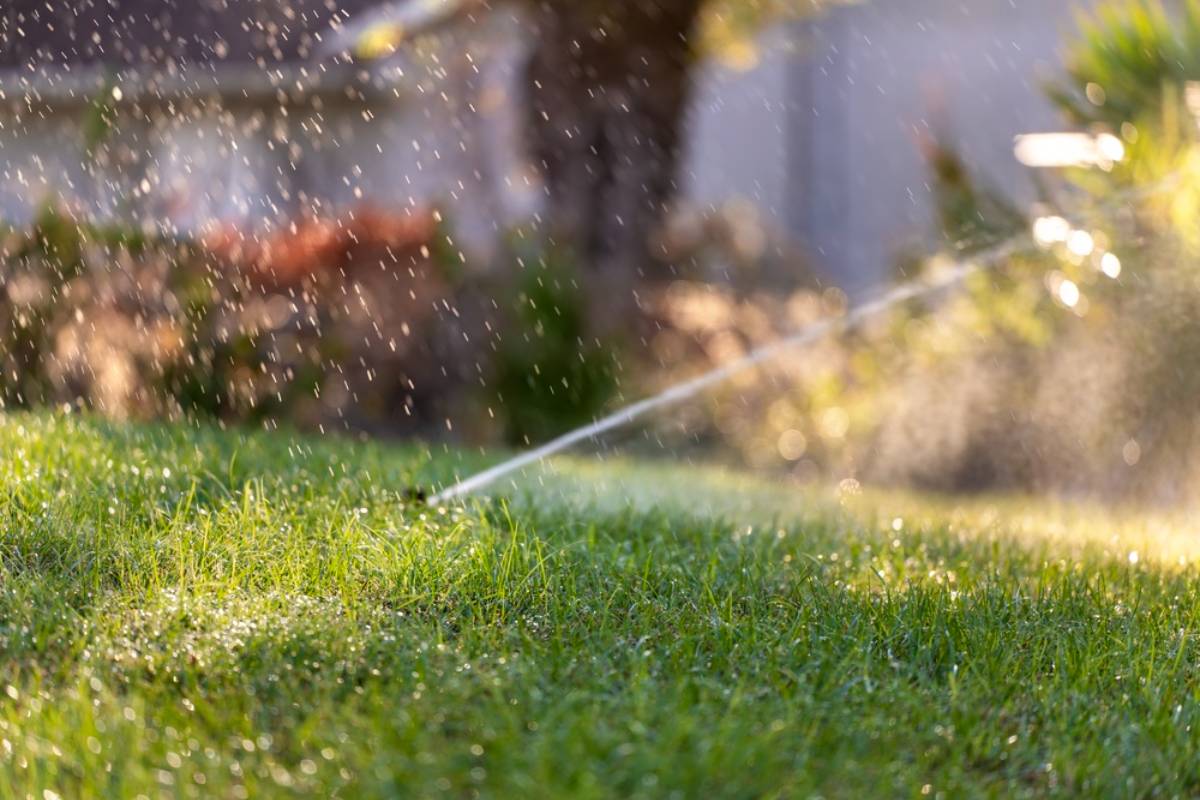
A person shared his story about a gardening problem that started with what seemed like a simple sprinkler issue. A nearby rental had a sprinkler head aimed partly onto his property, sending a surprising amount of water across the lawn every time it turned on. What looked like ordinary garden watering quickly became a recurring battle involving mud, puddles, insects, and increasingly frustrated neighbors.
The trouble was not just that a little water crossed the property line. The sprinkler was reportedly spraying so much that part of the lawn stayed soaked, puddles formed near the front walkway, and water collected around the gutters. Then came the detail that made the whole situation even stranger: the sprinkler was sometimes left running overnight.
The Garden Was Getting More Water Than Anyone Asked For
Instead of neatly watering the plants, the sprinkler was soaking an unwanted section of the neighboring lawn. The homeowner said the spray reached about a foot onto his property and left the grass wet and muddy. Every time the system started, the same patch of yard became a miniature swamp.
For a garden lover, excess water can be just as frustrating as not having enough. Grass can become difficult to mow, walkways can turn slippery, and muddy soil can quickly become a daily nuisance. The homeowner was especially concerned because the affected area sat close to the living room window.
The Puddles Started Spreading Beyond the Lawn
The water problem did not stop at the grass. According to the story, large puddles were forming on the concrete in front of the house whenever the sprinkler ran. The runoff was also reportedly reaching the gutters in front of both properties.
That meant the sprinkler was creating a chain reaction every time it came on. Water hit the lawn, collected in low areas, spilled toward the pavement, and then had nowhere convenient to go. What should have been a short watering session was beginning to feel like an unexpected irrigation project.
Then Summer Turned the Mud Into a Bug Magnet
The homeowner said the timing was particularly frustrating because warmer weather was approaching. Wet soil and standing water can make a yard more attractive to a variety of pests, and the homeowner was already noticing the downsides of having a permanently damp area beside the house. The muddy patch also made the space less pleasant to use.
The living room window made the problem feel even closer to home. Rather than looking out at a clean lawn, the homeowner was facing a patch of wet grass that repeatedly turned muddy after the sprinklers ran. The garden was no longer simply being watered, it was becoming the center of a neighborhood headache.
The Real Surprise Was How Long the Sprinkler Stayed On
Then a detail emerged that changed the story completely. The homeowner’s brother reportedly noticed that the neighbors had left the water running overnight several times after moving into the house. This was not just an occasional crooked sprinkler head doing its job badly.
A sprinkler that sprays in the wrong direction is annoying, but one that runs for hours creates a much bigger problem. Each overnight incident meant more water, more runoff, and another morning spent dealing with a soaked yard. Suddenly, the issue looked less like a minor gardening accident and more like a repeated pattern.
The Neighbors Had Their Own Schedule for Watering
The homeowner explained that the neighbors were renters who appeared to water their plants whenever they chose. There did not seem to be much consistency in when the sprinkler was used or how long it stayed on. That unpredictability made it nearly impossible for the homeowner to know when the lawn would suddenly become wet again.
Gardening usually works best when watering is deliberate and controlled. Plants need the right amount of moisture, while lawns, paths, and neighboring properties should not become accidental overflow zones. Here, the lack of a predictable routine was making the problem much harder to manage.
A Conversation Did Not Go According to Plan
A response from a person suggested starting with a simple conversation because neighbors sometimes do not realize how much their actions affect someone else’s property. That sounded reasonable, especially for an issue that might have been solved by adjusting a sprinkler head. Unfortunately, according to the homeowner, the conversation quickly became heated.
Rather than working together on the sprinkler, the neighbors reportedly insisted that their landlord was responsible for the problem. The homeowner said the neighbors kept directing them toward the landlord instead of discussing a solution directly. That left everyone standing around the same sprinkler with no one willing to take responsibility for fixing it.
The Landlord Became the Mysterious Middleman
Once the neighbors pointed toward the landlord, the homeowner tried contacting the property owner. The response, however, was not exactly what the homeowner hoped for. The landlord had apparently not addressed other maintenance concerns either, including an overgrown tree.
That made the sprinkler problem feel like part of a larger pattern. The tenants said the landlord needed to handle it, while the landlord was reportedly not responding. Meanwhile, the water kept flowing and the garden kept getting soaked.
The Homeowner Even Offered a Possible Fix
At one point, the homeowner considered a practical solution and offered to help seal or redirect the sprinkler. On paper, that sounds like the kind of small favor that could end the entire argument. But there was an obvious problem with changing equipment that belonged to someone else.
A response from a person suggested replacing the sprinkler head with one that had an adjustable arc and range. Another person suggested adding a simple battery-powered timer so the watering would stop automatically. The homeowner, however, worried that the neighbors would take any involvement with their sprinkler as an insult rather than an act of cooperation.
Redirecting the Water Only Created a New Argument
The homeowner said they had already tried redirecting the runoff toward another part of their own yard. Instead of solving the dispute, that attempt reportedly made the neighbors angry. They even claimed the water redirection was illegal.
That created an unusual garden dilemma. The homeowner was trying to keep the grass from becoming a muddy mess, yet even moving the water within the property became another source of conflict. Every attempted solution seemed to produce another argument.
One Person Suggested Building a Barrier
A response from a person proposed using a small barrier or drainage solution to control the water. The idea was simple enough: create a way for the unwanted runoff to stop spreading across the lawn. For a gardener, controlling where water goes can sometimes be just as important as deciding where plants are placed.
But the homeowner had already discovered how sensitive the neighbors were about any change involving the runoff. Even a harmless-looking landscaping solution could turn into another disagreement if it affected where the water traveled. The garden had somehow become the battleground over a sprinkler.
Then Someone Mentioned the Home’s Foundation
Another response from a person raised a more serious concern by suggesting that the homeowner explain the potential risk to the house’s foundation. Constant unwanted moisture near a home can certainly feel more worrying than a simple muddy lawn. That possibility gave the homeowner another reason to take the situation seriously.
The sprinkler had started as an irritating landscaping issue, but the repeated flooding was making the homeowner think about the bigger picture. Water crossing the yard was one thing, while persistent moisture near a house was another. The more often the sprinkler ran, the harder it became to treat the problem as harmless.
A More Official Solution Was Suggested
Some responses suggested contacting the local authorities or checking applicable rules regarding water runoff and property nuisances. One response from a person pointed toward a zoning officer, while another mentioned checking with the local water utility regarding possible watering restrictions. These suggestions represented a major shift from neighborly problem-solving to formal complaints.
The homeowner did not appear eager to escalate immediately. Instead, they seemed to be looking for a way to stop the flooding without turning a garden dispute into a full neighborhood feud. Still, the lack of cooperation was making the peaceful option increasingly difficult.
The Simplest Fix Might Have Been the Hardest One
Ironically, several people proposed solutions that were incredibly simple. Adjust the sprinkler, cap the leaking connection, replace the head, or install a timer, and the muddy lawn could potentially return to normal. The homeowner even considered some of those possibilities before deciding they should not tamper with equipment that was not theirs.
That hesitation was understandable because a quick DIY fix can create a much bigger problem when property boundaries and responsibility are involved. Nobody wants to solve a puddle by accidentally starting an argument over damaged irrigation equipment. So the homeowner was stuck watching the same sprinkler create the same mess.
Every Nighttime Watering Turned Up the Tension
Each time the sprinkler was left running overnight, the homeowner had another reminder that the problem had not disappeared. The wet grass, puddles, and runoff would be waiting in the morning like evidence from another round of the battle. Instead of spending the season enjoying the garden, the homeowner was dealing with water management.
The strangest part was that the solution seemed to be sitting right there in plain sight. The sprinkler was the source, the wet lawn was the result, and everyone apparently knew something needed to change. Yet nobody involved seemed willing to make the first move.
In the End, the Sprinkler Was Not the Only Problem
A person shared his story hoping for suggestions, but the responses revealed that the garden itself was only part of the conflict. The bigger issue was the lack of cooperation between the homeowners, the renters, and the landlord. What began as a badly aimed sprinkler had turned into a dispute over responsibility, property lines, drainage, and basic communication.
The final twist was how ordinary the original problem had been. No dramatic landscaping project or massive plumbing failure was involved, just a sprinkler that sprayed too far and sometimes stayed on too long. Yet that tiny piece of garden equipment managed to turn a strip of grass into the most talked-about patch of mud on the block.