Homeowner Says a Neighbor’s Twenty-Year-Old Bamboo Hedge Kept Crossing Property Lines, Then a Spring Shoot Appeared Beside His Pool
A person shared his story about becoming the newest homeowner caught in a gardening dispute that had been growing for decades. While the surrounding neighbors had lived there for more than thirty years, he had been there only five years when the bamboo finally reached his property. What looked like an ordinary patch of greenery from a distance turned out to be a relentless underground invasion.
The Bamboo Had Been There for Years
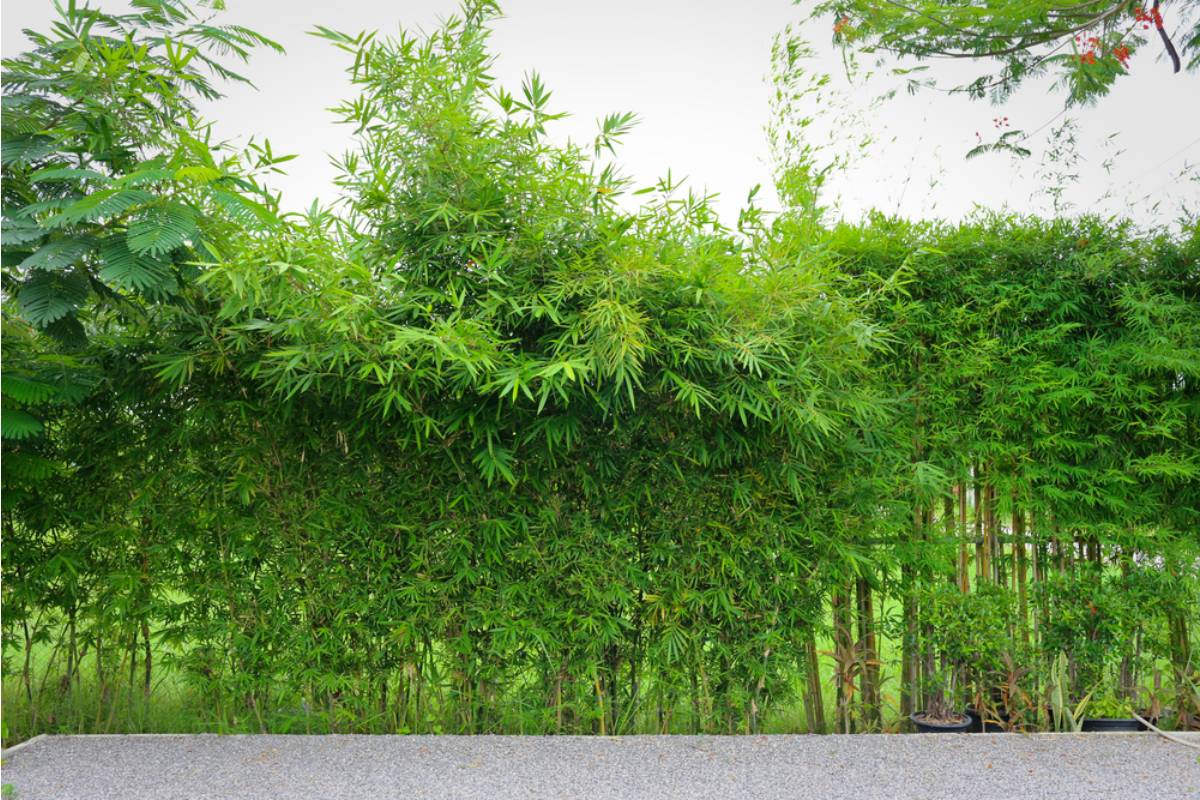
One neighbor had planted running bamboo roughly twenty years earlier, apparently never expecting it to become such a massive problem. Over time, the bamboo spread through a large section of that yard and quietly crossed into neighboring properties. By the time the newer homeowner noticed it, several other yards were already dealing with unwanted shoots.
The long-established neighbors had apparently learned to live with the green invader. They cut it back, ignored it, and accepted the yearly battle as part of living there. The newcomer, however, was not particularly interested in inheriting a decades-old gardening problem.
Then the Bamboo Crossed the Boundary
At first, the homeowner simply knocked back the shoots whenever they appeared. Every spring, however, fresh growth returned with remarkable determination. The bamboo seemed to have developed a personal grudge against property lines.
The situation became more serious when the homeowner realized where the shoots were heading. They were moving toward areas where roots could potentially interfere with patios, plumbing, pools, and other structures. Suddenly, this was no longer about keeping a garden tidy.
Spring Turned Into Bamboo Season
Every spring brought the same unpleasant surprise. Just when the homeowner thought he had finally caught up with the shoots, another cluster would appear somewhere nearby. The plant behaved less like a normal garden feature and more like an annual subscription nobody had agreed to purchase.
The homeowner kept cutting and controlling what he could see, but the hidden spread made the problem feel endless. Each visible shoot was another reminder that the real battle was happening beneath the soil. A garden can look perfectly peaceful on the surface while an underground network is plotting its next move.
The Homeowner Finally Knocked on the Neighbor’s Door
Instead of immediately contacting the authorities, the homeowner tried the friendly approach first. He approached the neighbor who had planted the bamboo and offered to split the cost of removing and containing the bamboo that had entered his yard. Considering the likely expense, it seemed like a reasonable compromise.
The response was not what he had hoped for. The neighbor declined and explained that a move was planned and that they had not realized the bamboo was creating problems for other properties. That left the homeowner staring at a potential bill of roughly $7,000 to $8,000.
Eight Thousand Dollars Was Suddenly Real
The estimate changed the emotional temperature of the entire dispute. Removing a few stray garden shoots is one thing, but spending thousands of dollars to solve a problem that originated elsewhere felt entirely different. The homeowner began wondering why he should be responsible for paying for a plant he never chose.
There was another problem too. Even if he spent the money, he worried that the bamboo could simply return later if its source remained uncontrolled. Removing what had reached his yard might only amount to treating a symptom while the original garden kept producing more trouble.
The Town Had a Bamboo Rule
That was when the homeowner discovered an important detail in his town’s rules. Encroaching bamboo was illegal, and the property owner responsible for the planting was apparently required to contain it. The regulation changed the situation because this was no longer merely a disagreement over gardening preferences.
For the homeowner, the possibility of contacting the town suddenly became very tempting. It offered a formal way to force the issue without spending thousands of dollars simply to keep fighting the same shoots every spring. But calling the town came with a complication he had not expected.
One Garden Visit Could Reveal Everything
The homeowner was worried that bringing town officials onto his property could expose other issues unrelated to the bamboo. He mentioned things such as sheds, pools, or construction work that might not have the correct permits. He was willing to correct anything that turned out to be noncompliant, but he did not want a bamboo complaint to become an unexpected property-wide inspection.
That fear became especially important because the surrounding neighbors might also be visible from his yard. If officials noticed something questionable on another property, those people could potentially face their own expenses. The homeowner did not want to solve his garden problem by accidentally creating several new ones.
The Other Neighbors Were Innocent bystanders
The most uncomfortable part of the decision was not the bamboo owner. The homeowner had already accepted that the person who planted the running bamboo should take responsibility for what happened. His real concern was everyone else who had been dealing with the plant for years.
Those neighbors had not planted the bamboo, yet they had allowed themselves to adapt to it. Some had apparently decided that repeatedly cutting it back was easier than confronting the original gardener. Now one new homeowner was considering an official complaint that could potentially bring attention to all of them.
A Response From a Person Had a Simple Answer
A response from a person suggested making sure every possible issue on the homeowner’s own property was fixed before calling the town. The reasoning was straightforward: there was little benefit in reporting a violation while leaving unrelated problems on your own land unresolved. Once his property was in order, he could make the bamboo complaint without worrying about being caught unprepared.
Another response encouraged him to document the spread and damage carefully. Photographs, dates, estimates, and records of his attempt to negotiate could establish that he had not jumped straight to enforcement. The more organized the evidence became, the less the complaint would look like a personal feud.
Then Someone Mentioned the Neighbor Was Moving
The planned move added another layer of urgency. If the neighbor sold the property and left before the problem was addressed, the homeowner feared that getting cooperation would become much harder. The bamboo would remain in the ground even if its owner disappeared from the neighborhood.
That possibility changed the timing of the decision. Waiting might preserve temporary peace, but it could also mean losing leverage. Suddenly, the homeowner had to choose between a quiet solution that might never happen and an official complaint that could finally force action.
The Bamboo Was Already Winning
One response from a person described spending twenty years battling bamboo that had been planted long ago. That story was enough to make the homeowner’s concern sound much more serious. A plant that keeps returning for decades is not exactly a problem that tends to solve itself.
Other people compared running bamboo to notoriously difficult invasive plants. Whether every dramatic claim about the plant proved true or not, the central gardening lesson was obvious: some plants become far more complicated once they escape the place where they were intended to grow. The homeowner was realizing that his spring maintenance routine could become a permanent obligation.
A Panda Joke Suddenly Appeared
In the middle of all the serious advice, someone offered a strangely cheerful solution: get a panda. Another person quickly pointed out that a panda was the correct bamboo enthusiast, not a koala, which prefers eucalyptus.
For a moment, the discussion moved from property disputes to animal trivia. But the joke only highlighted the absurdity of the whole situation. The homeowner was facing an $8,000 gardening problem, and the internet’s emergency landscaping solution was apparently to import a panda.
The Homeowner Started Thinking About the Future
Beyond the immediate cost, the homeowner worried about what the bamboo could do to the value of his property. A garden feature that sounds attractive in theory can become very different when future buyers see roots, containment work, and a history of disputes. The concern was not just about today’s landscaping bill.
He also wondered whether spending thousands on removal would actually end the problem. If neighboring properties were already affected, there could be hidden growth outside his own boundaries. Removing the visible bamboo was beginning to look like only one chapter in a much longer gardening story.
Talking to the Other Neighbors Might Change Everything
Several responses suggested speaking directly with the neighbors who were already suffering from the bamboo. They might be more willing to support an official complaint than the homeowner originally assumed. After all, they had been living with the invasion for years before the newcomer arrived.
That conversation could also prevent people from feeling blindsided. Instead of suddenly seeing officials arrive, the neighbors would understand why the homeowner was taking action and what he hoped to accomplish. The bamboo had connected their properties underground, so perhaps the problem needed to be addressed above ground through cooperation too.
The Biggest Risk Was Doing Nothing
By this point, the homeowner had tried cutting the bamboo, approaching the source, offering to split costs, and considering less confrontational solutions. None of them had actually stopped the spread. Each spring simply reset the fight and sent another wave of green shoots toward the neighboring yards.
Doing nothing might appear to protect neighborhood harmony, but it carried its own price. The bamboo would continue growing while the responsible neighbor prepared to leave. The homeowner eventually had to admit that avoiding conflict could cost far more than confronting the problem.
The Gardening Twist Was Underground
The twist in the entire story was that the homeowner was not really fighting a plant he could see. He was fighting a decades-old root system that had quietly crossed property lines long before he ever arrived. Every new shoot was simply evidence of a much larger gardening decision made twenty years earlier.
What began as one person’s attempt to create greenery or privacy had slowly become a neighborhood-wide inheritance. Now the newest homeowner had to decide whether to spend thousands trying to contain it himself or finally involve the town. The bamboo had crossed the property line without asking, and after twenty years, the homeowner was considering doing the same with the town’s enforcement system.