Homeowner Says a Real Estate Agent Used Photos of Her Garden in a Listing for a House She Doesn’t Even Own
A quiet residential street in a mid sized American suburb became the center of an unusual dispute when a homeowner discovered her private garden appearing in a real estate listing for a different property. The garden had never been shared publicly, never photographed for sale, and never connected to any commercial purpose.
What began as a casual online home search quickly turned into confusion, then frustration, then a formal complaint. The listing showed a house she had never visited, yet the backyard featured was unmistakably hers. Within days, the situation pulled in agents, brokers, and the local real estate board.
The Garden That Was Never Meant for Buyers
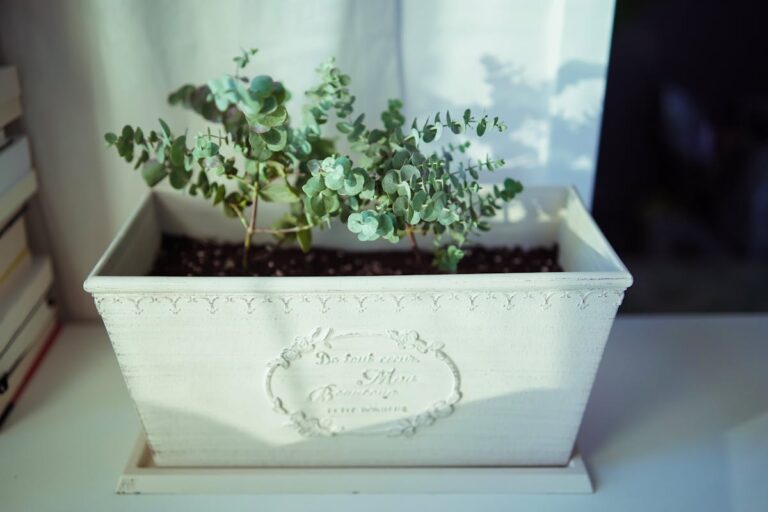
Lena Carter had spent years shaping the backyard behind her home into a layered space of climbing vines, raised herb beds, and a small stone pathway. It was never designed for display, only for personal use after long workdays. Neighbors occasionally complimented it over the fence, but she never thought of it as something public facing. One evening, while browsing home listings out of curiosity, she noticed a photo that made her stop immediately. The image showed her exact garden layout, down to a cracked terracotta pot she had glued herself. The problem was the listing was for a house three streets away.
The First Reaction That Felt Like a Mistake
At first, Lena assumed she was mistaken or that the listing used a similar backyard design. She zoomed in on the image, looking for anything different that might explain it. Instead, she found more familiar details, including her mismatched garden chairs and a homemade trellis. The description praised the “professionally landscaped backyard with mature planting.” None of it matched the actual property listed in the ad. Her confusion quickly shifted into a sense of disbelief she could not shake.
Confirming the Listing Was Real
Lena called a friend who worked in property management and sent the link for verification. Within minutes, her friend confirmed the listing was active and handled by a licensed agent. The address was real, but the images clearly did not belong to that house. The friend advised her to document everything immediately in case it became a legal issue. Lena took screenshots, compared angles, and even walked outside to match plant positions. Every comparison confirmed the same unsettling truth.
A Visit to the Listed Property
The next day, Lena drove to the address shown in the listing to understand what was happening. The house itself was ordinary, with a small yard that looked nothing like the photos online. She spoke briefly to a tenant who said the backyard had been mostly empty except for grass and a shed. The tenant had no idea why the listing showed a fully developed garden. That conversation made it clear the images could not have come from the property itself. Something had been misused or misrepresented.
The Agent’s First Explanation
Lena contacted the real estate agent responsible for the listing and asked directly about the photos. The agent responded quickly, insisting the images were provided by a third party photography service. He claimed he had assumed they were correctly matched to the property. When Lena explained the garden was her private yard, there was a long pause before he responded again. He said he would “look into it immediately,” but offered no explanation for how the mistake happened. The conversation ended with more questions than answers.
Neighbors Begin Recognizing the Garden
Word spread quickly through Lena’s neighborhood once she mentioned the situation in a local community group. Several neighbors confirmed they had seen photography activity weeks earlier near her fence line. One even recalled a man taking wide angle shots from a parked car across the street. At the time, it had seemed harmless, like someone working on a nearby listing. Now those memories looked more suspicious. Lena realized her yard had likely been photographed without her awareness.
The Brokerage Gets Involved
The real estate brokerage behind the listing issued a statement saying they were reviewing the matter internally. They explained that third party vendors sometimes handle property photography and metadata tagging. Lena found that explanation frustrating because it did not address consent or accuracy. She was told the listing would be temporarily taken down pending verification. Even so, the images had already been widely shared across multiple platforms. The situation was no longer contained to a single website.
Online Attention Escalates Quickly
Once the story reached local social media pages, users began sharing screenshots and debating what had happened. Some users were outraged on Lena’s behalf, calling it a serious breach of trust. Others questioned whether garden images could really be considered private property in a legal sense. The discussion grew rapidly, pulling attention from outside the city. Lena stopped checking comments after realizing how quickly misinformation was spreading. What started as a personal issue had turned into public speculation.
A Formal Complaint Is Filed
Lena submitted a formal complaint to the state real estate licensing board, including all documentation and communication records. The complaint focused on unauthorized use of imagery and misrepresentation in marketing materials. She was advised that investigations of this type could take time due to vendor verification requirements. Meanwhile, the listing remained offline, but no official responsibility had been assigned. Lena felt caught in a system that moved slower than the problem it was addressing. The uncertainty became part of the stress.
The Photographer’s Role Comes to Light
During the review process, it was revealed that an external photography contractor had been hired for multiple listings in the area. The contractor had reportedly mislabeled image files while organizing a batch of backyard shots. That mistake had led to the garden being attached to the wrong property listing. The explanation was technical, but it did not resolve the underlying issue of how private space was photographed and reused. Lena felt the explanation explained the error but not the intrusion. The distinction mattered to her more than the apology.
The Agent Offers a Private Apology
The agent eventually contacted Lena again, this time offering a personal apology and acknowledging oversight in verifying the images. He admitted he had relied too heavily on the vendor without cross checking property details. He also confirmed the listing would remain corrected going forward. Lena accepted the apology but made it clear the issue went beyond a simple mistake. She explained that her property had been treated as marketing material without consent. The conversation ended more carefully than before, but without full closure.
The Listing Is Corrected but Questions Remain
The listing was eventually updated with accurate images of the actual property, and the original garden photos were removed from all platforms. However, Lena later found traces of the images still circulating on smaller real estate repost sites. The brokerage confirmed they had no control over third party reposting once content spread. That answer did little to ease her concerns. The experience left her more aware of how easily private spaces can become public assets. Even after correction, the situation did not fully disappear from view.