Homeowner Says a Windstorm Sent His Neighbor’s Tree Crashing Into the Driveway, Then the Remaining Hollow Trunk Became a Waiting Disaster
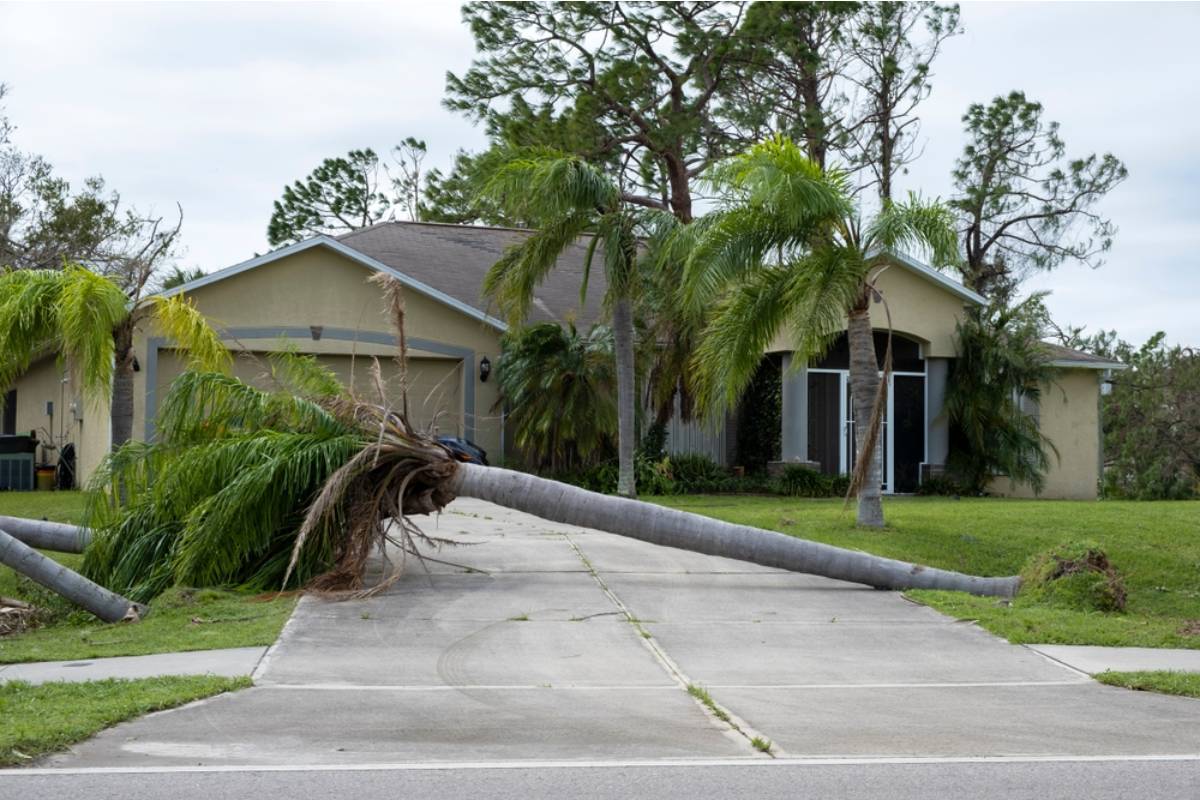
A person shared his story about a large tree standing in his immediate neighbor’s front yard that partially collapsed during a windstorm earlier in the summer. A huge branch came down across the driveway and narrowly missed crushing his car, leaving everyone grateful that the damage was limited to a blocked driveway. The neighbor acted quickly, hired a tree company the next day, and paid to have the fallen limb removed.
At the time, everyone assumed the problem was over. Unfortunately, the arborist who handled the emergency cleanup reportedly warned that the remaining tree was compromised and should eventually come down completely. Months later, the damaged tree was still standing, and the homeowner was beginning to worry that the next storm might not be so forgiving.
The First Storm Was a Warning
The original collapse happened quickly enough to be frightening. A large section of the tree suddenly gave way during strong winds and landed across the driveway, coming dangerously close to the homeowner’s parked car. He realized how lucky he had been when he saw just how much wood had fallen only a short distance from the vehicle.
The neighbor responded responsibly and had the fallen limb removed almost immediately. There was no need to file an insurance claim because the homeowner’s property had not suffered significant damage. Everyone seemed relieved, but the remaining tree was still sitting there like an unfinished chapter.
The Arborist Delivers Bad News
The tree service professional who removed the damaged limb apparently took a closer look at what remained. His recommendation was concerning: the compromised tree should come down. That information left the homeowner expecting the neighbors to arrange another appointment and finish the job.
But summer passed, and nothing happened. Every time the homeowner looked toward the tree, the same damaged trunk was still standing beside the driveway. The warning from the arborist began to feel less like a recommendation and more like a countdown.
The Tree Starts Looking Worse
The homeowner noticed that the tree was not simply damaged on the outside. Where the branch had torn away, the exposed portion appeared hollowed out, making the remaining structure look even more concerning. What had once been a large healthy-looking tree now had an obvious wound that seemed impossible to ignore.
That visual evidence made the homeowner increasingly uncomfortable. He was not merely imagining a potential hazard based on an old storm; he could see the compromised area every time he came and went. The question was becoming less about whether the tree needed attention and more about how long everyone could wait.
The Neighbor May Not Have the Money
The homeowner gradually realized that the elderly couple who owned the property might simply be unable to afford the removal. One of the homeowners was ill, and communication was difficult because the person sharing the story could only reach the family through a relative who visited the house. That made an already sensitive problem even more complicated.
The homeowner did not want to pressure vulnerable neighbors into paying a bill they could not manage. At the same time, he did not want a known hazard hanging over his driveway through another storm season. He found himself caught between compassion for the neighbors and concern for his own property.
He Offers to Help
The homeowner came up with what seemed like a reasonable compromise. He was willing to contribute toward the cost of removing the remaining tree, but he did not want to pay the entire bill himself. The offer was intended to make the job affordable while ensuring that the neighbors still participated in solving the problem.
That seemed like a fair arrangement from his perspective. The tree belonged to the neighbors, but its potential fall path could affect his driveway and vehicles. Sharing the expense felt more sensible than waiting for disaster and arguing over responsibility afterward.
Then Insurance Enters the Story
The homeowner’s biggest concern was not necessarily the cost of the removal. He wanted to know how to prevent the situation from eventually becoming a homeowners insurance problem if the tree fell onto his property. He contacted his insurance agency, expecting a clear explanation, but the call center provided little useful guidance.
That left him wondering about several possibilities. Would his homeowners policy respond if the tree landed on his house or driveway? Would the neighbor’s insurance become involved? And if a future storm sent the tree onto his cars, would his auto insurance handle the damage instead?
A Response From a Person Suggests Paying for Prevention
A response from a person suggested looking at the amount the neighbor had already spent on the first cleanup. The homeowner could compare that previous cost with the price of removing the entire tree and decide whether paying some or all of it was worth eliminating the danger. The response also emphasized that the neighbor had already helped by clearing the original limb quickly.
That perspective made the situation feel less like an argument over who was responsible and more like a practical calculation. Spending money now might prevent a much larger headache later. The homeowner was beginning to realize that sometimes the cheapest solution is simply to remove a dangerous tree before it gets the chance to become an insurance claim.
Written Evidence Suddenly Matters
The homeowner wondered whether he should obtain something in writing from the arborist about the tree’s condition. That seemed particularly important because the damaged portion appeared hollow and compromised. A written assessment could establish that the danger had been identified before any future storm caused additional damage.
The idea also gave the homeowner a way to communicate without sounding threatening. Instead of telling the elderly neighbors that he thought their tree was dangerous, he could provide the professional’s assessment and explain that he was concerned for everyone’s safety. The tree would be the problem, not the people.
The Certified Letter Idea
Another response from a person proposed a more formal approach. The suggestion was to have the arborist document the danger and then send a written notice to the homeowners explaining the situation. The homeowner could state that he was willing to contribute a specific portion of the removal cost while making clear that the owners would need to arrange the actual work.
That approach would create a record of the conversation instead of relying on verbal messages passed through family members. It would also make the homeowner’s intentions unmistakable: he was trying to help solve the problem before the tree caused damage. The goal would be documentation and cooperation, not a declaration of war.
Waiting for Winter Could Save Money
A response from a person offered another practical idea that had nothing to do with insurance. Tree companies can sometimes have lower workloads during the colder months, potentially making removal more affordable when demand slows. If the tree remained stable enough to wait safely, scheduling the job later in the year might reduce the financial burden.
Of course, that suggestion came with an obvious catch. A dangerous tree does not understand seasonal pricing, and another major windstorm could arrive before winter rates mattered. Saving money would only make sense if the tree could safely remain standing while everyone arranged the work.
The Power Line Possibility
Another response from a person asked whether the tree stood close to overhead power lines. That question opened an unexpected avenue for solving the problem. Depending on the location and local utility practices, a power company may sometimes address vegetation that threatens its lines under certain circumstances.
The homeowner had not initially considered the utility company at all. His focus had been on homeowners insurance, tree removal companies, and the neighbor’s finances. Suddenly, there was a possibility that someone other than the homeowners might have an interest in dealing with the dangerous tree.
The Cars Add Another Layer
The near miss with the homeowner’s car had understandably stayed in his mind. The first storm had already shown that the tree could reach the driveway, and another collapse could potentially land directly on a vehicle. That possibility made the homeowner wonder whether automobile insurance would become the relevant coverage if the tree damaged a parked car.
But relying on insurance after the next collapse was not an appealing strategy. Even if a policy eventually covered the damage, the homeowner would still have to deal with repairs, disruption, claims, and the possibility of disputes over the circumstances. Prevention looked increasingly attractive compared with cleaning up after another storm.
The Neighbor Had Already Done the Right Thing Once
One detail kept complicating the homeowner’s feelings about the situation. When the first branch came down, the neighbor did not ignore it or argue about who should pay. They acted immediately, hired a tree service, and cleared the driveway so the homeowner could get in and out.
That history made the homeowner reluctant to treat them as irresponsible. It seemed more likely that they were simply dealing with a difficult financial situation and other personal circumstances. The homeowner wanted to help without turning his assistance into an accusation.
The Hollow Center Changes the Mood
As the homeowner looked more closely at the remaining tree, the exposed hollow area became impossible to forget. The tree no longer looked like an ordinary mature specimen waiting for routine maintenance. It looked like something that had already demonstrated its ability to fail and was now standing after suffering a major structural injury.
That changed the emotional tone of the entire situation. Before the storm, the tree had simply been part of the neighborhood landscape. After the storm, it had become a known hazard sitting close to a driveway, vehicles, and homes.
The Homeowner Faces an Uncomfortable Choice
Eventually, the homeowner reached the point where every option had a downside. He could wait and hope the tree survived until the neighbors could afford removal. He could pay the entire bill and eliminate the risk, even though the tree was not on his property. Or he could offer a defined contribution and document the warning while leaving the ultimate decision with the owners.
None of those choices felt perfect. Waiting preserved money but increased uncertainty, paying everything solved the problem but felt unfair, and splitting the cost required cooperation that might be difficult to arrange. The homeowner realized there was no option that completely removed both financial risk and personal discomfort.
The Second Storm Becomes the Fear
The first storm had provided a warning without delivering a disaster. The branch missed the car, nobody was injured, and the neighbor handled the cleanup quickly. But the homeowner could not stop thinking about what would happen if the next storm sent the remaining tree in the same direction.
This time, there might not be a lucky escape. A larger section could hit a vehicle, block the driveway again, damage the house, or injure someone who happened to be nearby. The homeowner’s concern was no longer theoretical because the tree had already shown what it could do.
The Twist Hiding in Plain Sight
The strangest part of the story was that the homeowner was not trying to force the neighbors to pay for a mistake. He was actually willing to put his own money toward removing a tree that belonged to someone else. The real obstacle was figuring out how to help without accidentally creating a future dispute about responsibility, insurance, or liability.
And that was the twist: the most dangerous thing about the tree might not have been the hollow trunk itself, but the uncertainty surrounding what everyone should do next. The neighbor had already proved willing to act after the first failure, and the homeowner was willing to help before the second. All that remained was to turn those good intentions into a documented plan before the next strong wind decided the matter for them.