Homeowner Says Dog Walkers Kept Cutting Across His Front Garden to Reach a Countryside Footpath, Then One Exhausted Evening Revealed Just How Far Strangers Would Go to Treat His Property Like Their Own
A person shared his story about living in a small village in the United Kingdom, where peaceful countryside views and winding public footpaths made the area popular with dog walkers. His home stood at the edge of the village, right before a large farm, making it a convenient starting point for people eager to explore the surrounding fields. Unfortunately, some visitors seemed to believe that his property was simply an extension of the public walking route.
For a homeowner who wanted to enjoy his garden without strangers wandering through it, this became a frustrating routine. People repeatedly crossed his front lawn to reach the footpath a little faster, seemingly unwilling to take the proper route around the property. His dogs also reacted whenever unfamiliar people entered their space, turning what should have been a relaxing outdoor area into a constant source of commotion.
The Front Garden Became a Shortcut for Strangers
At first glance, a little patch of lawn might not seem like something worth arguing over. But anyone who has spent time maintaining a garden knows that a front yard is more than a convenient strip of grass beside the road. It is part of someone’s home, and repeated foot traffic can leave muddy tracks, flatten grass, and undermine the peaceful atmosphere a homeowner has worked to create.
The problem was especially irritating because the walkers were not simply passing along a public path. They were cutting across private ground to shave a few minutes off their journeys. The homeowner had grown tired of watching strangers treat his lawn as a shortcut, but the incident that followed would make those earlier interruptions seem almost harmless.
Ten Hours at Work Were Followed by an Unwelcome Surprise
On the day everything came to a head, the homeowner had just finished a ten-hour shift. All he wanted was to return home, relax, and enjoy some well-earned peace after a long day. Instead, when he pulled into his driveway, he discovered an unfamiliar car parked in a place where it had absolutely no business being.
The sight left him stunned, especially because the vehicle was blocking his access to his own home. After dealing with strangers crossing his garden for so long, he now had someone treating his driveway like a free parking facility. It was the sort of surprise that could ruin anyone’s evening, even before the driver appeared.
The Driver Arrived With a Demand Instead of an Apology
The owner of the white Fiat 500 soon walked back toward the car, accompanied by a white spaniel. Rather than apologizing for parking across someone else’s driveway, she immediately told the homeowner that he needed to move because she wanted to go home. Her attitude transformed an already frustrating situation into an argument that neither party appeared eager to end.
The homeowner could hardly believe what he was hearing. He explained that she was occupying his driveway and preventing him from accessing his own property, so her demand made little sense. Instead of recognizing the problem she had created, the woman behaved as though he was the one inconveniencing her.
The Woman Claimed She Had Parked There Before
As the disagreement continued, the woman offered an explanation that only made matters worse. She claimed she had parked in the driveway before and that nobody had complained about it. Apparently, previous occasions without an argument had convinced her that she could continue using the space whenever she pleased.
For the homeowner, that was an extraordinary way to interpret someone else’s silence. Not complaining immediately does not mean a person has granted permanent permission to use their property. A response from a person hearing the story might reasonably point out that a driveway, much like a carefully maintained garden, should not automatically become available to strangers simply because they find it convenient.
The Free Parking Arrangement Had Been Happening for Weeks
During the argument, the homeowner discovered that this was not an isolated mistake. The woman had apparently used his driveway at least half a dozen times while he was away at work, leaving her car there while she took her dog for a walk. What she regarded as an acceptable routine was something he had never knowingly agreed to.
That revelation made the situation considerably more frustrating. While the homeowner was working long hours, someone else had been treating his property as a personal parking spot without asking permission. It also explained why the woman seemed so confident when she demanded that he move, as though an arrangement existed simply because she had decided it did.
A Garden Owner Knows Why Boundaries Matter
Gardeners often understand the importance of boundaries better than most people. A small border, hedge, or fence can separate a welcoming front garden from a public walkway, while also helping protect plants from being trampled. Without clear boundaries, some visitors may assume that an attractive lawn is an invitation to wander wherever they please.
In this case, the homeowner’s frustration went beyond the inconvenience of one parked car. His garden had already become a shortcut for people walking their dogs, and now his driveway was being used for the same kind of unauthorized convenience. The incident highlighted how quickly a peaceful property can become a source of stress when visitors stop treating it as someone’s private space.
The Homeowner Finally Made His Position Clear
After hearing the woman’s explanation, the homeowner firmly told her that she could not keep using his driveway without permission. He also warned that he would seek to have the car removed if she repeated the behavior. His patience had worn thin, and he was no longer willing to pretend that the situation was acceptable just to avoid an uncomfortable conversation.
There was one important complication, however. After looking into the rules, he realized that removing an unauthorized vehicle in the United Kingdom was not as straightforward as he had assumed. He acknowledged that towing generally required involvement from the appropriate authorities and that his initial threat was not a simple solution to the problem.
The Argument Continued Even After the Warning
Despite being told that she had parked on private property, the woman continued shouting about her inability to leave. The homeowner went inside while she remained upset, apparently expecting him to resolve the situation on her terms. Instead of allowing the argument to dictate his evening, he decided to take his two dogs out for a walk.
The situation had become almost absurd. The woman had arrived to enjoy a dog walk, yet she was now standing around arguing with the person whose driveway she had occupied. Meanwhile, the homeowner was determined to get on with his evening rather than spend the rest of it entertaining demands from a stranger.
The Dogs Got Their Walk While the Driver Waited
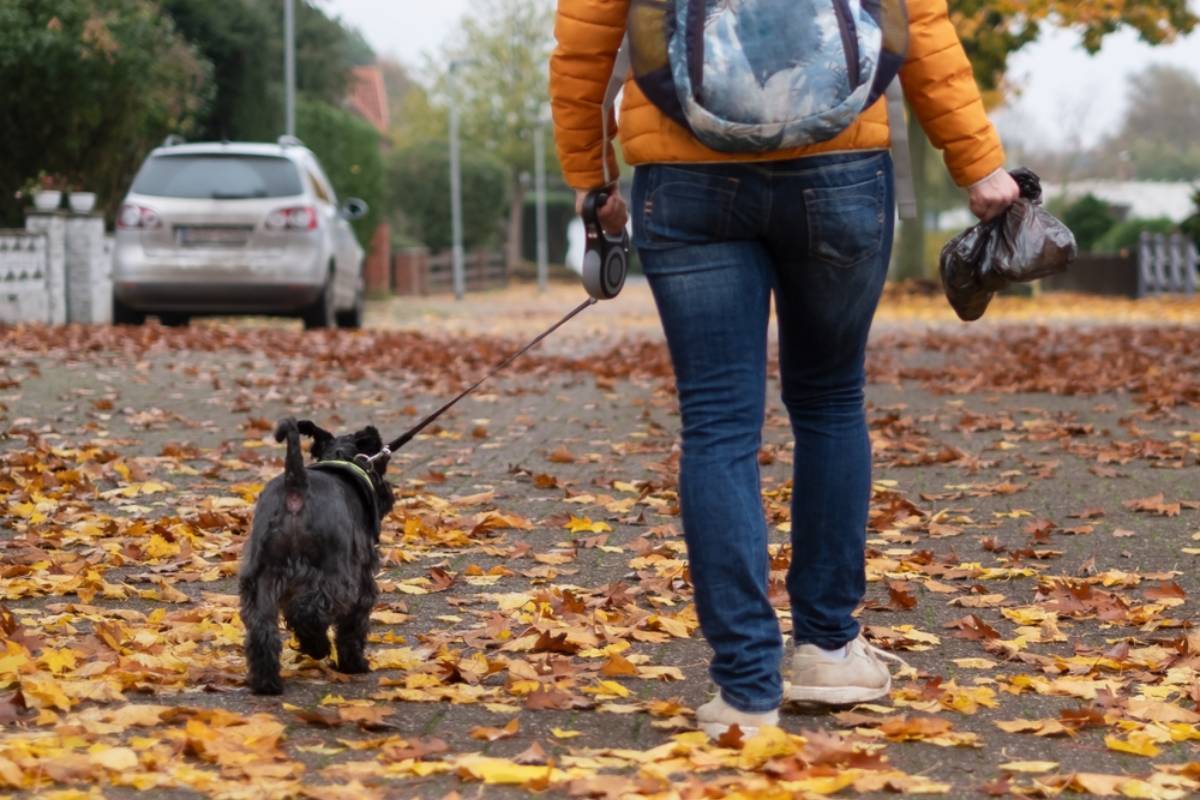
The homeowner took his dogs along the main road toward the nearby fields, allowing them to enjoy the evening outdoors. He even took them to a nearby river, where they could swim in the evening sunshine. Instead of rushing back to accommodate the woman, he spent roughly ninety minutes enjoying the walk with his pets.
For the dogs, it sounds like the unexpected delay turned into a rather enjoyable outing. Their owner, meanwhile, got a break from the argument and some time outside after his long shift. The woman was left waiting, having apparently expected the homeowner to prioritize her convenience despite the circumstances.
Ninety Minutes Later, the Driveway Dispute Finally Ended
When the homeowner eventually returned, he backed his vehicle out so the woman could leave. She used the opportunity to continue shouting at him, but he chose not to engage with her further. After all the noise and frustration, the immediate problem was finally over.
The ending was not quite the dramatic victory that some readers might imagine. Nobody was arrested, no vehicle was magically whisked away, and the homeowner had to acknowledge the limitations of his proposed towing solution. Nevertheless, he had made his objection unmistakably clear, and he was no longer prepared to treat the woman’s repeated parking as an acceptable arrangement.
Security Cameras Became the Next Step
The incident convinced the homeowner that he needed a better way to monitor his property. He said he intended to install security cameras and a video doorbell so he could keep a closer eye on the driveway. With the possibility of the same vehicle returning while he was at work, recording what happened seemed like a sensible precaution.
For gardeners, security cameras can also help reveal who is entering a yard and when damage occurs. They do not replace practical measures such as suitable fencing or clear signs, but they can provide useful evidence when disputes arise. In this situation, the homeowner hoped that better monitoring would discourage anyone from treating his property as an unofficial parking area.
Readers Suggested Fences, Gates, and Other Solutions
A response from a person suggested that physical barriers could help prevent the problem from happening again. Others discussed options such as signs, gates, and lockable bollards that could make it harder for unauthorized vehicles to enter a driveway. These ideas offered a more practical direction than relying on an argument every time the homeowner returned from work.
For a garden owner, a low fence or carefully positioned boundary can serve a similar purpose by discouraging people from cutting across a lawn. Any permanent barrier would need to account for access requirements and, in this case, the fact that the driveway was shared with a neighbor. The best solution would be one that protected the property without creating a fresh dispute with someone who had done nothing wrong.
The Story Was a Reminder That Silence Is Not Permission
One of the most striking details was the woman’s belief that previous use of the driveway meant she could continue parking there. The homeowner had apparently not confronted her during those earlier occasions, but that did not mean he had agreed to the arrangement. Her assumption turned a simple parking problem into a much bigger confrontation.
The same principle applies to gardens, where people may gradually begin treating a neighbor’s lawn, flower beds, or planted borders as shared space. A shortcut taken once can become a habit, especially when nobody challenges it, but convenience does not automatically establish permission. Respecting boundaries from the beginning can prevent a great deal of unnecessary tension later.
A Peaceful Countryside Garden Deserves Some Peace
The homeowner’s original complaint was about strangers walking across his front garden, disturbing his dogs, and taking shortcuts across his property. The unauthorized parking incident added another layer to a problem that had already been wearing him down. What should have been a quiet return home after a ten-hour shift instead became an argument that ended only after he took his dogs for a long walk.
Ultimately, the story is a reminder that enjoying the countryside should not come at someone else’s expense. Public footpaths are wonderful for walkers, and a well-kept garden can make a home feel welcoming, but private lawns and driveways are not automatically public amenities. Sometimes, the most important part of maintaining a garden is making sure people understand where the path ends and someone else’s property begins.