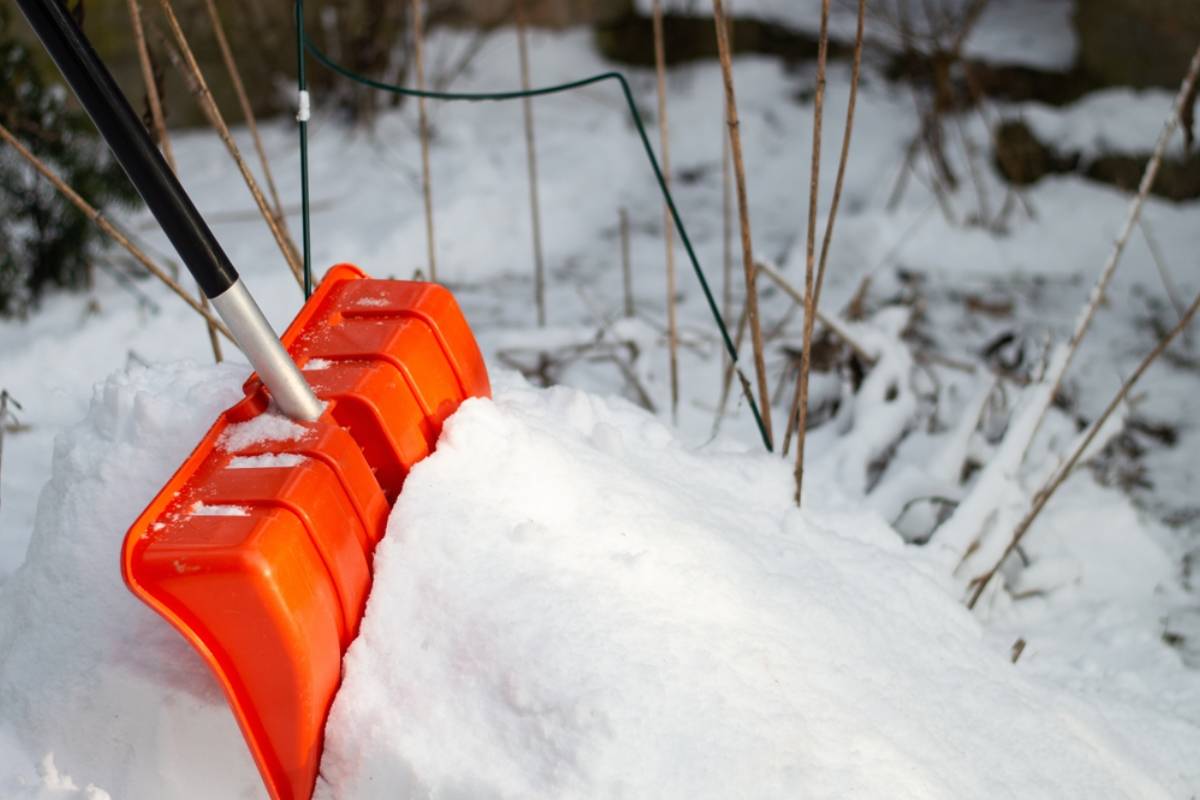
Homeowner Says He Let a Friend Move In After a Painful Breakup, Then a Broken Snow Shovel Exposed the Growing Resentment Over Household Chores
A person shared his story about opening his home to a friend who was trying to distance himself from a difficult relationship. The homeowner and his girlfriend welcomed the man into their lives, hoping that offering him a safe place to stay would help him get back on his feet. What began as a generous act of friendship gradually became a more complicated living arrangement. Before long, even ordinary household chores started revealing cracks in their relationship.
The couple had not simply offered a roof over their friend’s head and left him to figure everything else out. They continued managing the household while juggling their own responsibilities, including cleaning, taking out the trash, replacing lightbulbs, and looking after the garden. At first, these tasks might have seemed like minor inconveniences, but the imbalance slowly became harder to ignore. Then winter arrived, bringing a problem that would turn an everyday household tool into the center of a surprisingly heated dispute.
The Homeowner Was Already Doing Most of the Work
According to the story, the homeowner felt that he was carrying much of the responsibility for maintaining the shared living space. He regularly handled chores that kept the house functioning, from dealing with rubbish to taking care of outdoor work. Gardening was among his responsibilities, meaning he was already spending time and effort keeping the property in good condition. Meanwhile, he felt his roommate was not contributing much to the upkeep.
Living with another person often requires compromises, especially when someone is being helped through a difficult period. However, those compromises can become frustrating when one person believes the arrangement has turned into a permanent obligation. The homeowner also described previous issues involving his friend’s use of food and belongings without asking first. Those smaller incidents would become important once the snow shovel entered the picture.
Personal Belongings Became Another Source of Friction
Sharing a home means deciding which items everyone can use freely and which belongings require permission. The homeowner admitted that he was particularly protective of his possessions and preferred things to remain where they belonged. For him, having someone use his belongings without asking was not necessarily about the item’s price. It was also about respecting boundaries in a home where several people had to coexist.
His roommate’s habits had apparently caused enough irritation that the shovel incident did not happen in isolation. When someone is already feeling that household responsibilities are unfairly distributed, another seemingly small problem can feel much bigger than it otherwise would. A forgotten cleanup or an item used without permission may not seem serious on its own, but repeated incidents can create a lasting sense of resentment. By the time the weather turned dangerous, the homeowner was already dealing with more than one source of frustration.
Winter Storms Put Everyone’s Patience to the Test
The household lived in Maryland, where a winter storm brought challenging conditions and disrupted normal routines. The homeowner and his girlfriend were both affected by the weather, with the girlfriend facing a difficult commute and the homeowner working for the school system. Their usual schedules had been interrupted, leaving them to deal with the practical consequences of heavy winter weather. Suddenly, maintaining the property became more urgent than simply keeping the garden tidy.
Snow removal can be exhausting, particularly when snow accumulates around driveways, walkways, and parked cars. A dependable shovel becomes an essential tool when people need to clear paths and make their property safer. Unlike a decorative garden ornament, a snow shovel has a very practical job to do, and a damaged one can quickly become a problem. Unfortunately, the couple’s existing shovel was about to become another item they had to worry about.
The Shovel Had Been Around for Years
The shovel in question was not a brand-new purchase that had barely survived its first winter. According to the account, it had been used for approximately fifteen years, making it an established part of the household’s winter equipment. That detail complicated the situation because older tools can develop weaknesses through ordinary use. Even a sturdy shovel can eventually suffer damage after years of scraping, lifting, and moving heavy snow.
At the same time, the homeowner was concerned about what had happened while his roommate was using it. The question was not simply whether the shovel had become old, but whether the person who damaged it should be responsible for replacing it. That distinction mattered because the household had already experienced disagreements about belongings and shared responsibilities. With the storm creating an immediate need for snow removal, there was little time to ignore the problem.
The Roommate Announced That the Shovel Was Damaged
The dispute began when the roommate reportedly informed the homeowner that the shovel had become chipped. It was a brief announcement, but it raised a much larger question about responsibility for shared household equipment. The homeowner wanted to know whether expecting his friend to replace the damaged tool was unreasonable. After everything that had already happened, he was no longer sure where generosity should end and accountability should begin.
A damaged shovel might sound like a minor inconvenience compared with the challenges of helping someone recover from a difficult relationship. However, the homeowner was looking at the situation through the lens of their entire living arrangement. If one person used an item and damaged it, should that person simply report the problem and move on? Or should they offer to replace it, particularly when the item belongs to someone who has already been doing much of the household work?
The Age of the Tool Complicated the Argument
The shovel’s fifteen-year history gave the roommate a potentially important point in his favor, even though the available account did not establish exactly why the damage occurred. Tools do not last forever, and years of regular use can weaken materials or create hidden cracks. A shovel that breaks during ordinary snow removal might have been nearing the end of its useful life anyway. Without knowing its condition beforehand, it would be difficult to determine how much responsibility belonged to the person using it.
However, age alone does not automatically settle the question of responsibility. A person can accidentally damage an old tool through careless handling, while another person might break a relatively new one despite using it properly. The circumstances surrounding the damage matter just as much as the item’s age. That uncertainty made the disagreement more complicated than a straightforward demand for reimbursement.
The Couple Had More Than One Reason to Be Frustrated
The homeowner’s account suggested that the shovel was only one part of a larger pattern of tension. He had already been concerned about his roommate’s limited contribution to household upkeep and his tendency to use certain belongings without permission. These issues had the potential to make even an inexpensive replacement feel symbolic of a much bigger imbalance. The shovel became a convenient focal point for frustrations that had been building over time.
For the couple, helping a friend was supposed to provide temporary support during a difficult chapter of his life. But kindness can become exhausting when the people offering help feel that their own needs and boundaries are being overlooked. Their frustration was not necessarily limited to the cost of another shovel. It also involved the question of whether their friend recognized the effort they were putting into making the shared home comfortable and functional.
A Response From a Person Raised Questions About Fairness
A response from a person could reasonably point out that responsibility depends on how the shovel was damaged, rather than simply who happened to be holding it. If the roommate used the tool normally and it broke because of age or wear, demanding a replacement might be unfair. On the other hand, if he mishandled it or used it in a way that caused avoidable damage, contributing toward a replacement would be a reasonable expectation. The missing details make it difficult to reach a definitive conclusion about the incident itself.
Another important consideration is whether the shovel was understood to be available for shared use. Household members often use common equipment without formally asking permission every time, particularly when dealing with an urgent task like clearing snow. Still, permission to use an item does not necessarily mean permission to damage it without taking responsibility. The fairest approach would involve establishing what happened before deciding who should pay.
Gardening Tools Can Create Similar Household Disputes
Anyone who maintains a garden knows that tools can be surprisingly expensive to replace. Pruning shears, spades, rakes, hoses, and wheelbarrows all experience wear, and some equipment requires careful handling to remain useful for years. When several people share a property, disagreements can arise over who owns the tools and who should pay when something breaks. Even a simple garden spade can become a source of conflict if one person believes everyone should contribute while another assumes the owner will handle replacements.
The same principle applies to snow shovels, which are particularly important for homeowners dealing with harsh winters. A tool that has survived many seasons deserves a little respect, but its age should also be considered when assigning blame for damage. Clear expectations can prevent these arguments from becoming personal. Agreeing in advance on how shared equipment should be used and replaced can save both money and friendships.
Helping a Friend Does Not Mean Abandoning Boundaries
Offering someone a place to live during a difficult period can be a meaningful act of kindness. It gives them stability while they work toward a better situation, and it can strengthen a friendship when everyone communicates openly. However, generosity does not require the homeowner to ignore every inconvenience or accept every behavior indefinitely. A supportive living arrangement still needs reasonable expectations about chores, privacy, and personal property.
The couple’s experience illustrates how difficult it can be to balance compassion with the practical demands of everyday life. The roommate may have been dealing with personal challenges, but the people helping him also had work, responsibilities, and belongings to protect. Neither side benefits when small disagreements are left unresolved until frustration takes over. Sometimes, a straightforward conversation about expectations is more valuable than another argument about a household item.
The Real Issue Was Bigger Than the Cost of a Shovel
The financial cost of replacing an old snow shovel might be relatively modest compared with the expense of maintaining an entire home. Yet the disagreement carried emotional weight because it touched on fairness, respect, and the distribution of responsibilities. When people feel they are repeatedly doing more than their share, they may begin to interpret new problems as evidence that the arrangement is not working. That can make a single chipped tool feel like the final straw.
For the homeowner, the question was whether his roommate should take responsibility for something that had been damaged while in his possession. For the roommate, the shovel’s age and condition could affect whether replacement was a fair demand. The available account does not establish precisely how the tool broke, so the disagreement cannot be resolved simply by assigning blame. What it does reveal is how quickly practical household problems can become personal when expectations have not been clearly discussed.
The Snowstorm Exposed a Problem That Was Already There
Winter weather may have triggered the immediate dispute, but the underlying tension had developed before the shovel was damaged. The homeowner had described concerns about chores, household belongings, and the amount of work he was doing to maintain the property. Those frustrations created a backdrop against which the new problem was interpreted. Instead of being an isolated equipment issue, the chipped shovel became another reason to question the living arrangement.
This is a familiar pattern in shared homes, where disagreements about seemingly insignificant objects often reflect deeper concerns. One person might see an old tool reaching the end of its life, while another sees a repeated failure to respect their belongings. Both interpretations can feel convincing when the people involved have different expectations about responsibility. The real challenge is finding a way to discuss those differences before resentment becomes impossible to ignore.
The Best Solution Would Start With an Honest Conversation
Before demanding payment, the homeowner could establish how the shovel was being used and whether the damage appeared consistent with ordinary wear. If the roommate had clearly mishandled it, replacing the tool or contributing toward a new one would be a reasonable way to make things right. If the shovel simply failed after fifteen years of service, splitting the cost or treating it as a normal household replacement might be more appropriate. A calm discussion would give both people a chance to explain their perspectives without turning the disagreement into a personal attack.
The couple could also use the incident to clarify expectations for future household chores and shared belongings. That might include agreeing on which tasks the roommate should handle, which items require permission, and how accidental damage should be addressed. Such boundaries do not have to be harsh or unfriendly. In fact, clear agreements can help preserve a friendship by preventing the same frustrations from resurfacing every few weeks.
One Broken Shovel Left a Much Bigger Question Behind
Ultimately, the homeowner’s story was about much more than a piece of winter equipment. It involved a couple trying to help a friend, a household struggling with uneven responsibilities, and a long-used tool that suddenly became the center of a disagreement. The shovel’s age made the question of replacement less straightforward, while the history of earlier frustrations made it difficult to treat the incident as insignificant. What might have been a simple purchase turned into a test of how well the household understood fairness.
For gardeners and homeowners alike, the lesson is that maintaining a property requires more than keeping tools in good condition. It also requires communication, respect for other people’s belongings, and a willingness to take responsibility when something goes wrong. A chipped shovel may be replaceable, but trust can be harder to repair once resentment has taken root. And sometimes, the smallest household mishaps reveal exactly which boundaries need attention before the next storm arrives.