Homeowner Says Her Adult Son Moved Back Home and Paved Over Her Raised Garden Beds for Extra Parking Without Asking, “He Said He Thought She Was Done With It”
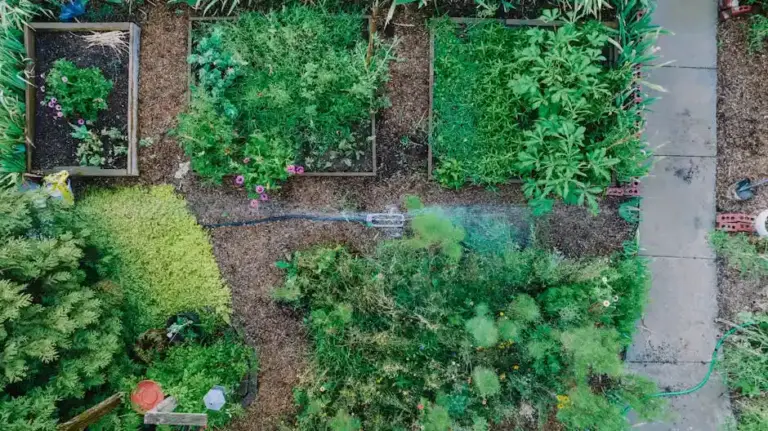
When my husband passed away, gardening became the one routine that brought structure back into my days. I built six raised beds behind the garage, growing tomatoes, beans, herbs, and flowers that reminded me of happier years.
My neighbors often stopped to admire the harvest, and my grandchildren loved picking strawberries whenever they visited. The garden was never just a hobby because it carried years of memories and hard work. That is why I could hardly believe what I found after spending a long weekend visiting my sister.
The Backyard Looked Completely Different
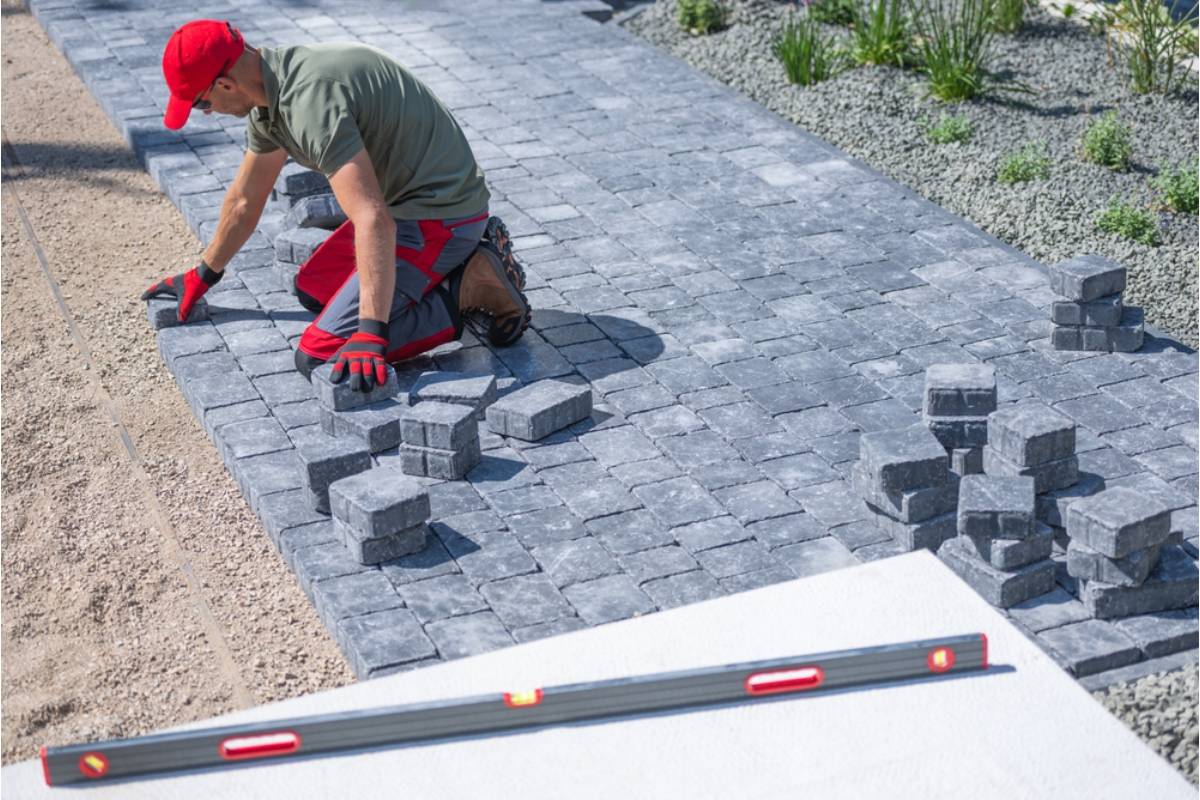
As I pulled into the driveway, something immediately felt wrong. The familiar rows of raised beds were gone, replaced by a wide stretch of fresh gravel and paving stones. My watering barrels had been pushed against the fence, and the trellises had disappeared entirely. For a moment, I wondered if I had somehow arrived at the wrong house. Then I saw my son’s pickup truck parked exactly where the vegetable beds had once stood.
His Smile Vanished the Moment He Saw My Face
My son came outside carrying a toolbox, clearly expecting me to admire the changes. Instead, I stood frozen, staring at the empty space where my garden had been. Before I could ask a question, he proudly explained that he had created extra parking because both of his vehicles no longer fit comfortably in the driveway. He said it like he had done me a favor. I struggled to find the words.
One Sentence Hurt More Than Anything Else
When I finally asked why he had not talked to me first, he shrugged. Then he said he honestly thought I was done gardening because I had seemed tired during the previous season. I reminded him that I had already ordered seeds for spring and spent weeks planning new varieties. He looked genuinely surprised, as though those conversations had never happened. That assumption had erased years of work in a single weekend.
The Missing Lumber Told Another Story
I walked around the side of the garage searching for the cedar boards from the raised beds. They were nowhere to be found. My son admitted he had taken everything to the local landfill because he believed the materials were too weathered to reuse. Along with the lumber went my irrigation lines, support cages, and carefully labeled plant markers. Each answer seemed to uncover another loss I had not expected.
My Neighbor Could Not Stay Quiet
Later that evening, my neighbor Carol came over carrying a casserole. She hesitated before telling me she had watched the demolition begin but assumed I had approved the project. When she realized I was away, she questioned my son about it. According to Carol, he confidently assured her the garden had become too much work for me. She had no reason to think otherwise at the time.
Hidden Beneath the Gravel Was Years of Care
The next morning, I walked across the new parking area remembering everything buried underneath. Rich compost that had taken seasons to build now sat beneath layers of crushed stone. Earthworms, perennial herbs, and healthy soil had been sealed away without a second thought. I knew rebuilding would never be as simple as constructing new boxes. Losing the soil itself felt even worse than losing the beds.
My Granddaughter Asked the Hardest Question
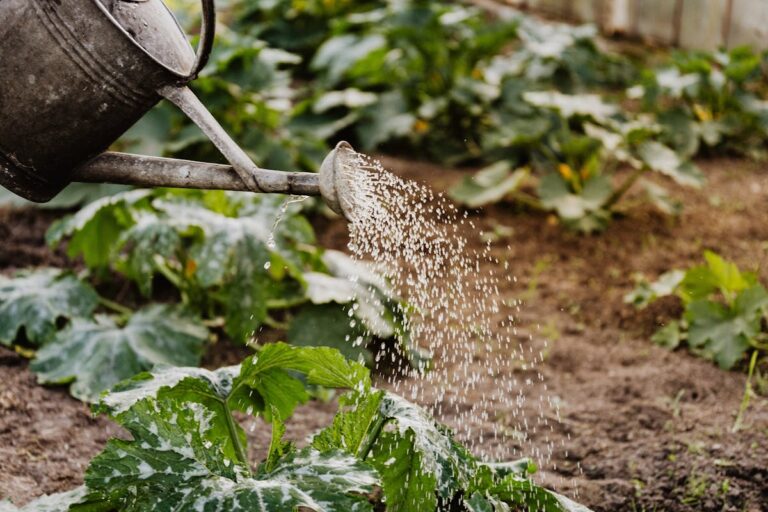
That weekend, my youngest granddaughter ran into the backyard carrying a small watering can. She stopped suddenly and looked around in confusion before asking where the strawberries had gone. I watched her search for the little stepping stones she used to hop between the beds. My son overheard the conversation from the patio. For the first time, I saw real regret appear on his face.
Old Photos Brought Back Every Season
Unable to sleep that night, I opened photo albums stored on my computer. There were pictures of my husband helping build the first raised bed, my grandchildren holding oversized pumpkins, and baskets overflowing with fresh vegetables. Every image reminded me that the garden represented far more than growing food. It documented years of family memories. I realized my son had unknowingly erased a place connected to his father as well.
An Honest Conversation Finally Happened
The following evening, my son asked if we could sit down without arguing. He admitted he had been focused on solving his own parking problem after moving back home. He never stopped to ask what the garden actually meant to me because he assumed he already knew the answer. I explained that making decisions for someone else is not the same as helping them. He quietly apologized for taking that choice away.
The First Shovel Went Into the Ground Together
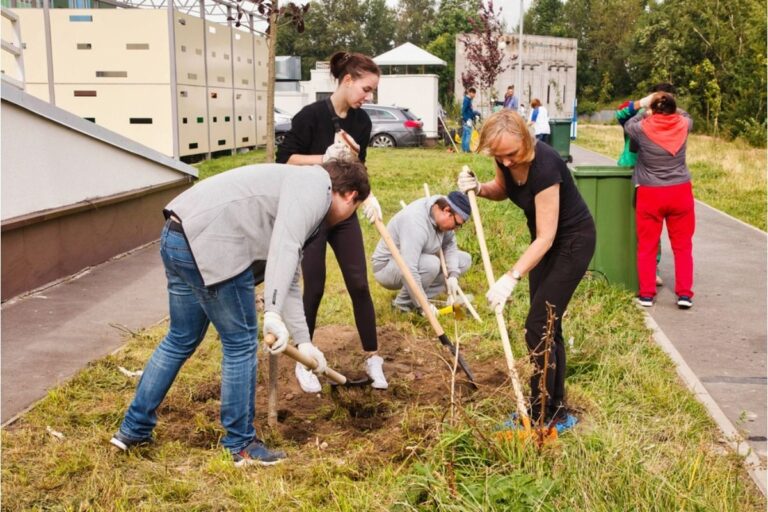
A few days later, my son surprised me by renting equipment to remove part of the new parking area. Together we shoveled away the gravel, uncovering sections of the original soil beneath. It was hard work, but each wheelbarrow full of stone felt like a small step toward repairing what had been lost. He admitted rebuilding would take time and promised not to rush the process again. Working side by side felt very different from the silence of the previous week.
The Garden Returned in a New Form
Instead of recreating the exact layout, we designed raised beds that allowed room for one additional parking space without sacrificing the entire garden. My son built the new cedar frames himself, carefully following the measurements I requested. He even installed a wider pathway so I could move comfortably between the beds as I got older. The project slowly became something we created together rather than something he imposed on me. That change meant more than the lumber ever could.
Some Things Grow Back Slowly
By the end of the season, fresh vegetables once again filled the backyard, although the garden still looked younger than the one I had lost. My son often joined me in the evenings, asking questions about planting schedules and watering instead of making assumptions. He admitted he had learned that helping someone begins with listening, not deciding for them. Every harvest now reminds both of us how easily years of work can disappear when respect is replaced by assumptions. Fortunately, gardens, like relationships, can recover when people are willing to put in the effort together.