Homeowner Says Her Chickens Were Supposed to Make Backyard Gardening Easier, Then the Feathered Little Trouble-Makers Turned Her Flower Beds Into Their Favorite Playground
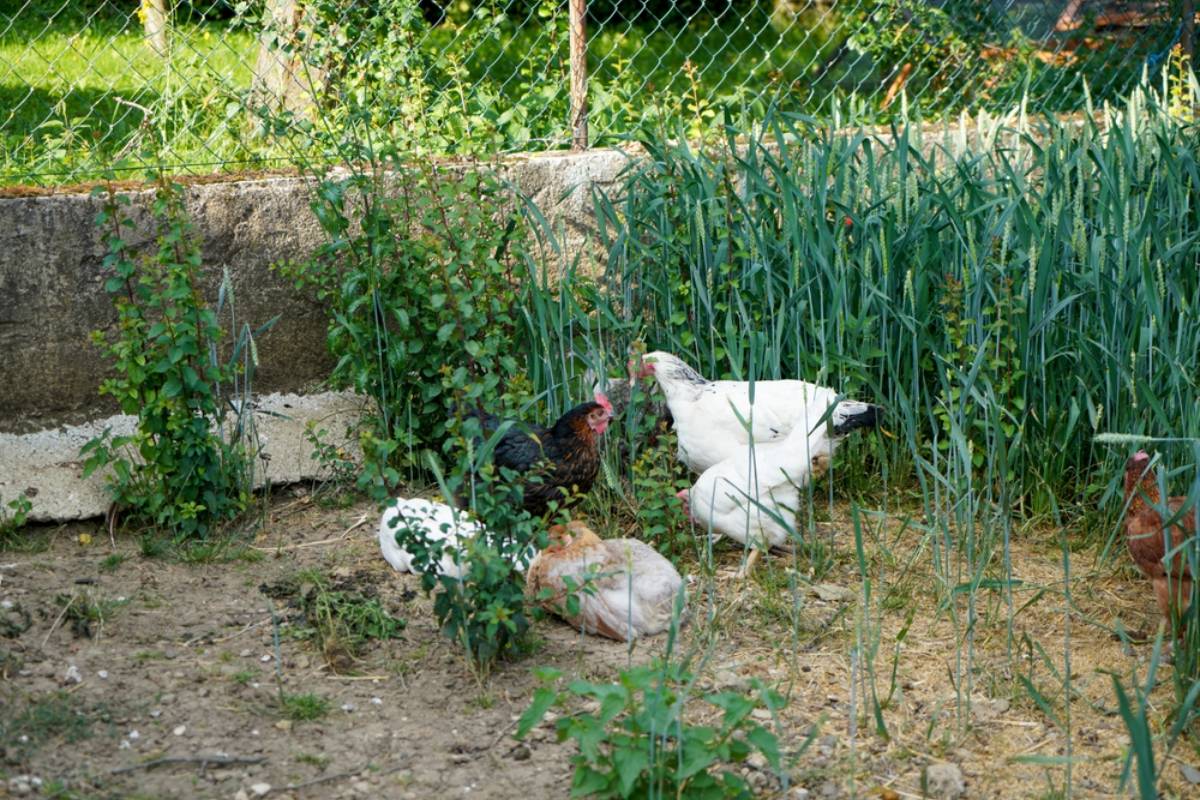
Keeping chickens and growing a beautiful garden sounds like the perfect backyard combination, at least until the chickens decide that every flower bed is their personal playground. A person shared his story about the familiar struggle of trying to enjoy a garden while dealing with chickens that wander wherever they please. What begins as a peaceful morning among flowers can quickly turn into a frustrating cleanup mission. Suddenly, the biggest challenge is not growing healthy plants but keeping them safe from a flock of enthusiastic troublemakers.
Chickens are naturally curious, and their scratching and pecking can make short work of carefully maintained landscaping. Freshly disturbed soil looks like an invitation to dig, while tender leaves can become irresistible snacks. Even a garden that took weeks to prepare may not survive a single afternoon of unsupervised chicken exploration. For gardeners who love their feathered companions, finding a balance between poultry and plants becomes an unexpected backyard adventure.
The Flower Beds Become the Chickens’ Favorite Destination
A gardener might spend an entire weekend arranging flowers, preparing the soil, and choosing plants that complement the yard. Then the chickens arrive, scratching around the roots and scattering mulch as if they have discovered buried treasure. Their enthusiasm can be impressive, but it is considerably less charming when carefully arranged borders become patches of exposed dirt. The gardener is left wondering whether the flowers or the chickens will win the battle for the backyard.
The frustrating part is that chickens rarely understand the difference between a designated digging area and an expensive flower bed. A patch of loose soil beneath a favorite shrub can look just as appealing as a carefully prepared dust-bathing spot. Once one bird discovers something interesting, the others may rush over to investigate. Before long, a quiet garden can resemble a miniature construction site staffed by creatures with feathers instead of hard hats.
Why Chickens Treat Freshly Planted Soil Like a Treasure Chest
There is a reason chickens seem especially attracted to freshly prepared garden beds: loose soil makes it easier for them to scratch around in search of insects, seeds, and other tasty discoveries. Unfortunately, the same soil gardeners prepare for seedlings becomes an irresistible invitation to investigate. A hen might begin by searching for a tiny bug and end up uprooting a plant that took weeks to establish. From the chicken’s perspective, it is a successful foraging expedition, even if the gardener sees nothing but destruction.
This behavior makes protecting a garden more complicated than simply asking the birds to stay away. Chickens can return repeatedly to places where they previously found food or enjoyed digging. Even when the gardener restores the damaged bed, the flock may revisit it out of habit. The trick is to make vulnerable areas less accessible while giving the chickens somewhere else to explore.
The Lawn Does Not Escape the Feathered Construction Crew
Flower beds are not the only casualties when chickens roam freely around a property. Grass can become patchy, particularly where birds repeatedly scratch the ground or gather in the same spots. A healthy lawn may gradually develop bare areas that make the entire yard look neglected. For anyone who has spent time nurturing a lush green space, watching it deteriorate can be deeply frustrating.
The damage can become even more noticeable when the birds concentrate their activity near garden borders, walkways, or favorite resting places. Instead of spreading their attention evenly across the yard, chickens may repeatedly visit the spots they find most interesting. Gardeners then face a frustrating cycle of repairing the grass only to discover fresh damage a few days later. It becomes clear that protecting the lawn requires more than reseeding the bare patches.
The First Solution Is to Put a Physical Barrier Between Plants and Poultry
One practical response from a person dealing with chicken-related garden damage is to focus on physical separation rather than trying to train every bird to behave perfectly. Garden fencing can protect vulnerable planting areas while allowing chickens to continue exploring the rest of the property. Even a modest barrier around flower beds can make a difference when it is tall and secure enough to discourage the birds from entering. The important part is choosing a design that suits the flock and the layout of the yard.
For smaller beds, wire garden fencing or sturdy mesh can provide a straightforward layer of protection. Gardeners should also secure the bottom so chickens cannot easily slip underneath or scratch their way into the protected area. Newly planted seedlings deserve particular attention because they are often the easiest targets. A little preparation before planting can save hours of frustration later.
Raised Beds Could Give Delicate Plants a Better Chance
Raised garden beds offer another possible solution for gardeners who want to keep their vegetables and flowers away from curious chickens. By lifting plants above ground level, they can make certain areas less convenient for scratching and accidental trampling. Taller beds may be particularly useful for delicate seedlings and shallow-rooted plants. However, determined chickens can still jump onto low raised beds, so height alone is not always enough.
A protective frame or mesh cover can make raised beds even more effective. Gardeners can remove the cover when working with their plants and replace it when the area is unattended. This approach also helps protect young crops from other garden visitors. Instead of fighting the flock every morning, the gardener can create a small, protected growing space that requires less supervision.
Mulch and Decorative Stones Need a Little Extra Thought
Mulch helps retain moisture, suppress weeds, and give garden beds a tidy appearance, but chickens may scatter lightweight materials while scratching. This can leave plant roots exposed and turn neat borders into messy piles. Heavier mulch or carefully placed stones may help protect the soil surface in some situations. Gardeners should choose materials appropriate for their plants and avoid anything the chickens could swallow or become injured by.
Decorative stones can be especially useful around established potted plants where exposed soil attracts repeated digging. However, the size and placement matter because small stones may be picked up or swallowed by poultry. A secure wire cover over the soil surface may offer a more dependable alternative for delicate pots. The goal is to discourage scratching without creating a new hazard for the birds.
A Dedicated Dust-Bathing Area Might Change the Entire Situation
Chickens do not scratch simply to annoy gardeners; digging is part of their natural behavior, and dust bathing helps them maintain their feathers and skin. Providing a suitable area for this activity can give the flock an appealing alternative to freshly planted beds. A designated patch of dry, loose material in a sheltered location may encourage the birds to spend more time there. It will not guarantee that they abandon every flower bed, but it can make their activity easier to manage.
Location matters when creating this alternative space. If the dust-bathing area is close to the coop and offers enough room for several birds, it may become a regular gathering spot. Gardeners can also provide safe opportunities for foraging through suitable enrichment and supervised access to designated areas. Giving chickens somewhere appropriate to express their natural behaviors can reduce the pressure on the garden.
The Right Plants Can Make a Difference, but No Plant Is Completely Safe
Some gardeners consider adjusting their planting choices when chickens repeatedly damage their landscaping. Established, sturdy plants may tolerate occasional disturbance better than tiny seedlings or fragile ornamental flowers. Shrubs and plants with tougher growth can sometimes withstand minor contact, depending on the species and growing conditions. Still, no gardener should assume that a plant is safe simply because it looks robust.
Chickens may peck leaves, scratch around roots, or investigate plants that appear uninteresting to people. Before introducing unfamiliar species, gardeners should also verify that they are safe for poultry and other animals on the property. A more resilient planting scheme can help reduce losses, but it works best alongside barriers and sensible flock management. Choosing tougher plants is a useful adjustment, not a magical solution to every chicken-related gardening problem.
Potted Plants Become Easy Targets for Curious Beaks
Container gardens may seem easier to protect than large flower beds, but chickens can quickly turn pots into digging pits. The exposed soil offers an attractive place to scratch, and smaller containers can tip over when birds climb onto their edges. Young herbs, decorative flowers, and newly planted vegetables can suffer damage before they have time to establish themselves. For gardeners who rely on containers to make the most of a small space, this can be especially discouraging.
Moving pots onto sturdy stands or placing them behind a secure barrier can help keep them out of reach. Gardeners should make sure containers remain stable and that elevated pots cannot fall onto curious birds. Covering exposed soil with a suitable protective layer can also reduce the temptation to dig. Sometimes, simply changing the arrangement of a patio garden can make it considerably less inviting to wandering chickens.
The Chicken Run May Need More Attention Than the Garden
When chickens repeatedly damage landscaping, the problem may not be solved by protecting every individual plant. Their available roaming space, enrichment, and opportunities to forage can all influence how they use the yard. A secure, appropriately sized run with safe scratching areas can help keep the flock occupied without giving it unrestricted access to delicate landscaping. The right arrangement depends on the number of birds, their needs, and the available space.
Adding safe perches, suitable foraging opportunities, and areas to explore can make a chicken run more engaging. Gardeners can also rotate access to different sections of the property when practical, allowing damaged ground to recover. These changes should preserve adequate space, shelter, and opportunities for natural behavior. A well-planned poultry area can protect the garden while still giving the flock a comfortable environment.
Why Chasing Chickens Away Rarely Fixes the Problem
A gardener might initially try shooing chickens away whenever they approach a flower bed. The birds scatter, the gardener returns to weeding, and everything appears peaceful for a few minutes. Then the flock wanders back as though the interruption never happened. Repeating this routine throughout the day can become exhausting, especially when the same plants keep getting damaged.
Supervision can help, but it is rarely the most efficient long-term strategy when chickens have unrestricted access to vulnerable areas. Physical barriers and a more deliberate layout reduce the need for constant intervention. Consistent routines can also help keep birds within designated areas, although individual chickens may remain persistent explorers. The less the garden depends on a human being standing guard, the more enjoyable gardening becomes.
When the Chickens Belong to Someone Else, the Problem Gets Trickier
The situation becomes more complicated when roaming chickens belong to a neighbor rather than the person whose garden is being damaged. A gardener may have carefully planted flowers and maintained a lawn, only to find that someone else’s flock is freely exploring the property. In that situation, fencing can protect the garden, but it does not address the underlying problem of animals entering another person’s yard. A calm conversation with the owner may be the most productive first step.
It helps to explain the damage clearly and discuss practical ways to prevent the birds from wandering onto the property. Photos of damaged plants or disturbed areas can provide a useful record if the problem continues. Local rules concerning roaming poultry vary, so gardeners may also need to check municipal regulations if informal efforts fail. Protecting the garden and resolving the disagreement peacefully are both important goals.
The Unexpected Twist Is That Chickens and Gardens Can Still Coexist
After enough damaged flowers and scattered soil, it is tempting to believe that keeping chickens and maintaining a beautiful garden are incompatible hobbies. Yet many gardeners successfully combine poultry keeping with growing vegetables, herbs, and ornamental plants. The difference often comes down to how the space is arranged and whether vulnerable areas are protected. Instead of expecting chickens to abandon their natural instincts, successful gardeners plan around them.
A secure vegetable patch, a dedicated foraging area, and carefully positioned containers can create a more workable arrangement. Chickens can explore their designated spaces while gardeners enjoy planting and tending areas that are less likely to be disturbed. The solution may require experimentation, but it does not necessarily require giving up either hobby. What initially feels like a backyard battle can become an opportunity to design a more functional outdoor space.
A Few Simple Changes Could Save an Entire Season of Gardening
The most useful lesson from the struggle with destructive chickens is that prevention usually works better than repeatedly repairing damage. Gardeners can start by protecting their most vulnerable plants, checking existing barriers, and identifying where the flock spends most of its time. A few targeted changes may prove more effective than trying to redesign the entire yard at once. Keeping track of which measures work can also help avoid wasting money on ineffective deterrents.
Ultimately, chickens are not trying to ruin anyone’s gardening plans; they are following their instincts in a space that happens to contain delicious plants and excellent digging opportunities. A thoughtful combination of fencing, protected containers, suitable enrichment, and responsible flock management can make coexistence much easier. The flowers may still need an occasional rescue, and the chickens may still behave like tiny feathered excavators. But with the right boundaries in place, the gardener can finally spend more time enjoying the backyard and less time wondering what the flock has destroyed next.