Homeowner Says Her Garden Started Struggling This Year for No Clear Reason, Now She Thinks Something Around Her Changed
It didn’t happen all at once.
That’s what made it so hard to figure out.
At the start of the season, everything looked normal. She followed the same routine she had used for years, preparing the soil, spacing her plants the way she always had, and starting her early watering schedule once the weather began to warm up.
Nothing felt different.
But within a few weeks, she noticed the growth wasn’t keeping up.
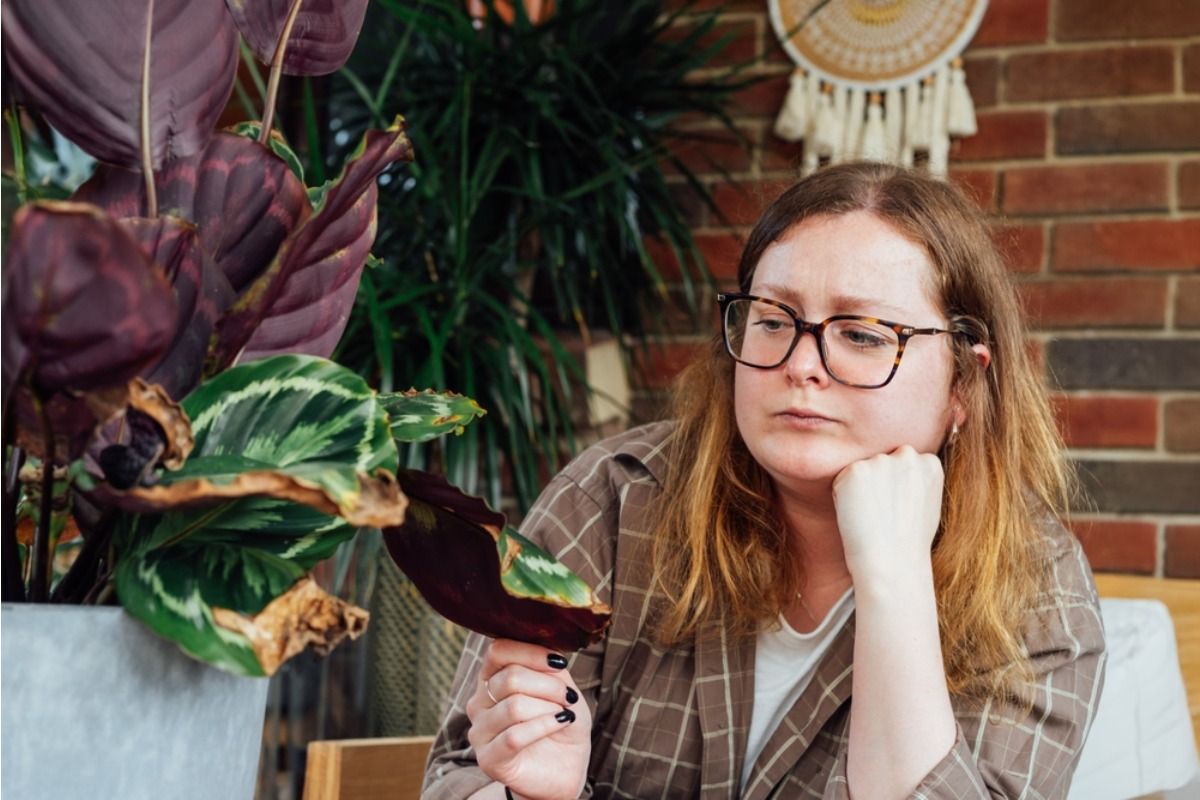
Her plants weren’t dying, but they weren’t thriving either. Leaves looked healthy enough, but they seemed smaller. New growth was slower. Some plants that usually took off quickly just sat there, barely changing day to day.
At first, she assumed it was just a slow start to the season.
Weather can shift from year to year, and she figured maybe things would catch up.
But they didn’t.
As the weeks went on, the gap became more obvious. Her garden looked like it was stuck in place while everything else around it moved forward.
She checked the basics.
Watering, consistent.
Soil, still nutrient-rich from previous seasons.
No visible pests or disease.
Everything should have been working.
That’s when she started paying attention to the environment around her yard.
Not the garden itself, but everything surrounding it.
A nearby property had changed over the winter. Some trees had been trimmed back. A structure had been added. There were subtle differences in how the neighboring spaces looked compared to the year before.
Individually, none of those changes seemed significant.
But together, they had quietly altered how her yard functioned.
Sunlight patterns had shifted. Areas that once got steady exposure were now getting less direct light, while other spots were heating up more quickly than before.
Wind moved differently through the space, no longer blocked in the same way it used to be.
Even moisture levels in the soil seemed inconsistent, drying faster in some areas and staying damp longer in others.
It wasn’t one big problem.
It was a series of small environmental changes that added up.
And because nothing dramatic had happened, it took time to connect the dots.
She said that was the most frustrating part, knowing she hadn’t changed anything herself, but still seeing completely different results.
It forced her to rethink how stable a garden really is.
Even when routines stay the same, the environment doesn’t.
Things shift slowly. Light angles change with seasons. Nearby spaces evolve. Structures go up, trees come down, and airflow adjusts in ways that aren’t always obvious.
And those changes can quietly affect how a garden performs.
Now, she’s adapting.
Instead of trying to force the garden back into its old pattern, she’s experimenting with new placements. Moving plants into areas that better match their needs under the current conditions.
It’s a slower process than she expected.
But it’s starting to work.
And for many homeowners, it’s a reminder that when a garden suddenly stops performing the way it always has, the issue might not be something you did.
Sometimes, it’s something that changed around you, just enough to shift everything.