Homeowner Says Her HOA Complained About Everything From Weekly Mowing to Wildflowers, Then She Realized Her Corner Lot Was the Real Problem
A person shared his story about moving into what seemed like a perfectly ordinary home, only to discover that the neighborhood had an unusually intense relationship with lawns, flower beds, and parked cars. At first, the complaints sounded almost comically picky, especially because the yard was being maintained normally.
Then the warnings started arriving so often that even growing a few wildflowers became a potential offense. What looked like a simple gardening disagreement slowly turned into a much bigger battle over who was actually allowed to enjoy the property.
The Trouble Started With a Corner Yard
The first explanation was that the house sat on a corner, which apparently came with an invisible rulebook of its own. The person was told that corner homes were expected to look better because they were among the first houses visitors saw when entering the neighborhood. Suddenly, ordinary yard maintenance seemed to carry the weight of a front-page landscaping competition. The lawn was no longer just a lawn, but apparently part of the neighborhood’s public image.
That logic became difficult to ignore because the expectations seemed unusually specific. The person was repeatedly criticized for not mowing every week, even when the grass did not actually need to be cut. It created the strange situation where the calendar mattered more than the condition of the yard. For someone accustomed to letting the grass grow when it needed to grow, the whole thing felt upside down.
Even the Car Became Part of the Garden War
Then the complaints jumped from grass to the driveway and street. The person was threatened with a fine over a car supposedly becoming an issue on July 1, even though the car had not even been purchased until July 6. That small detail made the warning look less like careful enforcement and more like someone checking boxes without checking dates. It was almost as though the neighborhood had decided the car was guilty before it had even arrived.
The parking dispute only made things stranger because other residents were apparently allowed to leave their cars on the street. The person was told the vehicle needed to be moved or risk additional fines, despite the car not being particularly damaged or unsightly. At that point, the issue seemed less about keeping the neighborhood tidy and more about whether this particular resident’s belongings met an unofficial aesthetic standard. The garden was already under inspection, and now the curb had joined the lineup.
Then the Wildflowers Entered the Story
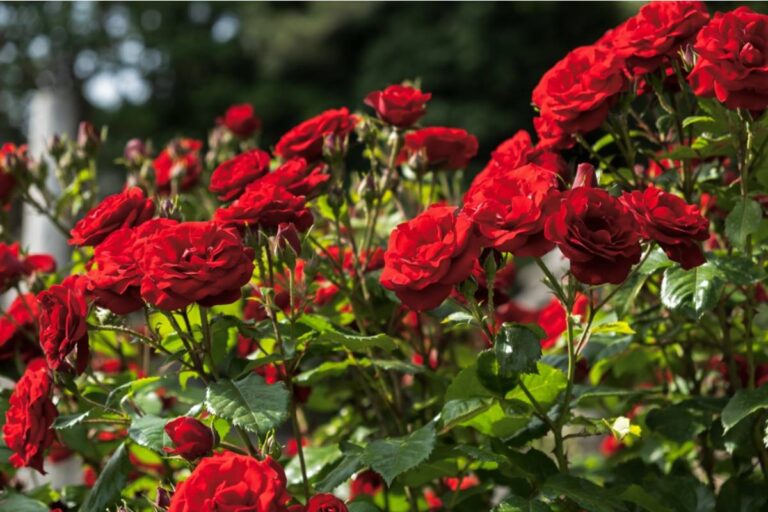
The biggest surprise came when the person tried to grow wildflowers in the backyard. Wildflowers are hardly an outrageous gardening choice, especially when planted in a controlled section or tucked into an existing flower bed. Yet the explanation for the objection was that the flowers could make the yard look taller than it really was. Suddenly, a handful of blooms had somehow become a landscaping threat.
The person even considered growing them in pots, which seemed like the safest possible compromise. But the concern apparently remained because the plants could still change the visual appearance of the yard. It was a bizarre gardening problem where the flowers were not dangerous, messy, or invasive. Their alleged offense was simply being tall.
The Backyard Was Supposed to Behave
That rule was particularly frustrating because other residents were already planting flowers in beds close to their homes. The person was not trying to turn the yard into an overgrown meadow or abandon maintenance altogether. The goal was simply to create a small controlled area filled with wildflowers. Yet even that modest plan seemed to collide with the neighborhood’s preference for a very particular kind of lawn.
For a gardener, this is where the story starts to feel almost surreal. Plants normally create character, color, texture, and a sense of life, but here they were being treated almost like unauthorized construction. The wildflowers had become suspicious simply because they changed the silhouette of the yard. Somehow, a garden had become a negotiation.
Then the Fence Idea Started Looking Brilliant
The person began noticing something that had previously seemed like an ordinary neighborhood choice. Several homes nearby had privacy fences, and suddenly those fences made much more sense. When every lawn can be examined from the street, even a small gardening decision can become an invitation for criticism. A fence could at least create a little breathing room between the garden and the people inspecting it.
The idea became even more appealing because the person was renting the home but might eventually buy it. What had once looked like a future improvement suddenly looked like defensive landscaping. Instead of planting wildflowers in peace, the gardener was thinking about how to create enough privacy to avoid constant attention. The fence was no longer just about privacy; it represented freedom from the sidewalk microscope.
The Person Wasn’t Even the Homeowner
Then came the detail that changed the entire story. The person was renting the house, while the actual owner was the landlord, who happened to be the boyfriend’s mother. That meant the person was dealing directly with an association connected to a property she did not legally own. Suddenly, all those warnings and conversations looked very different.
A response from a person pointed out the obvious distinction between living in a house and owning the house. The association’s formal relationship was with the property owner, not the renter who happened to be watering the lawn. For someone living through the situation for the first time, that distinction had apparently never been explained. It was the first moment when the gardener realized the HOA battle might have a completely different route.
The Letters Were Apparently Going Somewhere Else
The association claimed that warning letters had been sent, but there was another problem. Those notices were reportedly being sent to the landlord rather than directly to the person living in the home. The person said the owner may not have been checking the mail often enough to see what was happening. That created a strange communication loop where warnings existed, but the person receiving the daily pressure was not the person receiving the official paperwork.
Then the situation became even more confusing when the association blamed the post office for allegedly failing to deliver some of the correspondence properly. Despite that explanation, the person was still being threatened with fines based on the supposed history of previous warnings. It sounded like everyone had a different piece of the puzzle, while the gardener was somehow standing in the middle of it. The lawn was being measured, but the communication system seemed to be missing entirely.
The HOA Was Also Showing Up at the House
The association’s involvement was not limited to letters. The person said representatives had been coming to the house and sending texts, turning the dispute into a much more personal experience. There is a big difference between receiving a formal notice and having someone repeatedly appear at your door to discuss your mowing schedule. By then, the garden dispute had moved well beyond flowers and grass.
That change in tone became important because the person was trying to figure out how to make the unwanted conversations stop. A response from a person suggested keeping everything in writing and directing concerns toward the landlord instead. For the gardener, that advice was a turning point because it replaced an endless series of doorstep arguments with a paper trail. Suddenly, every future conversation had the potential to become evidence rather than just another frustrating interruption.
The Photos Added Another Layer
There was also an unsettling detail involving photographs. The person said the association had admitted to visiting the property and taking pictures, presumably to document potential violations. To someone already feeling watched, that made the gardening battle feel even more intense. A flower bed could now become photographic evidence in an ongoing case against a resident simply trying to care for a yard.
A response from a person offered an important reality check, explaining that photographing the visible exterior of a property can be part of ordinary HOA enforcement. That did not make the experience feel any less invasive, but it did add some perspective to the situation. The bigger issue was not simply that someone had taken a picture. It was that every ordinary feature of the property now seemed capable of becoming the subject of another complaint.
One Story Made the Warnings Look Even Stranger
Another person shared a story about an HOA board member who had crossed a much more serious boundary by entering private property and looking into windows. That situation eventually became part of a larger investigation into alleged problems involving the board itself. The story included disputed contracts, questionable financial arrangements, and residents receiving different treatment. It was a reminder that intense HOA behavior can sometimes be about more than landscaping.
The gardener’s situation was not the same, but hearing that story clearly changed the mood of the conversation. Suddenly, the advice was not simply about surviving one difficult neighbor or trimming a few extra inches of grass. It was about documenting interactions, understanding the governing rules, and paying attention to whether enforcement was actually consistent. The garden had become the smallest piece of a much larger neighborhood puzzle.
The Biggest Question Was Whether to Buy the House
Then came the plot twist that made the entire situation harder to resolve. The person was considering buying the home because the landlord, who was the boyfriend’s mother, wanted to sell it to them for a very good price. For many people, getting a first home at an unusually favorable price would be an exciting opportunity. But this house came with something extra tucked into the deal: an HOA that already seemed determined to notice every blade of grass.
The person admitted that selling the house later and eventually moving somewhere without an HOA was already being considered. That plan made sense financially on paper, but it also carried an obvious risk. Buying a house means buying more than the walls and garden, because the rules attached to the property come along too. A cheap house can become much less cheap when every flower bed feels like it needs legal research.
The Landlord May Have Been the Missing Piece
Several responses focused on one simple solution: the owner needed to know exactly what was happening. If the association was sending official notices to the landlord while speaking directly to the renter, then the owner needed to see the full picture. The gardener believed the landlord may not have realized how aggressive the interactions had become. That could explain why the problems continued without anyone stepping in to settle them.
There was even a chance that the owner had not seen every letter because of the way mail was being handled. This created one of those situations where everyone thought someone else was dealing with the problem. Meanwhile, the person living in the house was left mowing, gardening, parking, and defending each decision without the authority of the property owner. One conversation with the landlord could potentially change the entire balance of power.
The Wildflower Fight Became the Real Symbol
By this stage, the wildflowers were almost beside the point. They represented the larger conflict between someone who wanted a little personality in the garden and an association that seemed obsessed with controlling how that personality appeared from the street. The complaint about flowers looking too tall became almost comical compared with everything else that had happened. Yet it also perfectly captured why the gardener was so frustrated.
Gardens naturally grow, change, and take on a life of their own. A strict set of rules can keep a neighborhood visually consistent, but it can also turn harmless gardening choices into constant disputes. In this story, the wildflowers became the symbol of a resident discovering just how closely the yard was being watched. What began as a request to let a few flowers grow had become a question about who really had control over the garden.
By the End, the Garden Wasn’t the Only Thing Growing
The funniest twist is that the more the association pushed, the more determined the gardener seemed to become. Every complaint created another reason to learn the rules, document conversations, involve the property owner, and reconsider the future of the house. What started as a simple attempt to maintain a yard had grown into a crash course in property ownership, neighborhood politics, and the strange power of a flower bed.
For now, the person seems to be keeping every suggestion in reserve and thinking carefully about whether buying the house is worth the trouble. The privacy fence idea is still sitting there like a possible final chapter, waiting for its moment. And somewhere beneath all those arguments about mowing schedules, street parking, and wildflowers is the real question: when does maintaining a beautiful garden stop being a hobby and start becoming a full-time negotiation?