Homeowner Says Her Mother Let the Neighbors Turn Their Backyard Into a Private Vegetable Farm for Five Years, Then Their Trash, Uprooted Plants, and Uninvited Guests Finally Made Her Want to Build a Fence
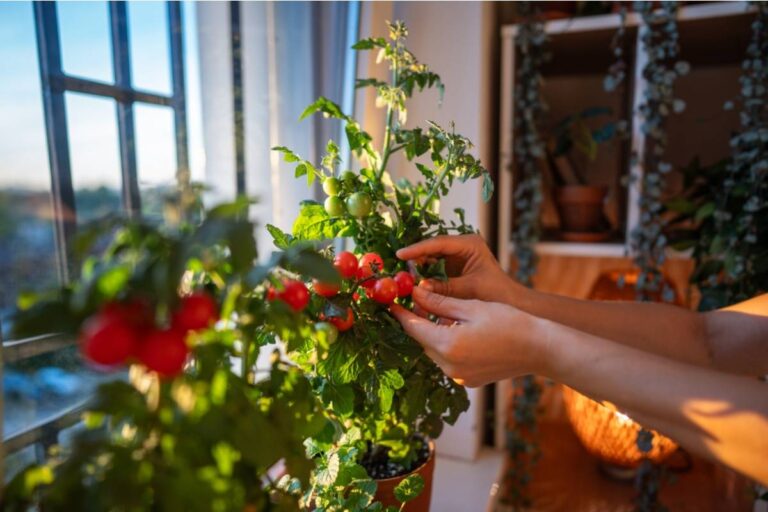
A person shared his story about a backyard gardening arrangement that began with a seemingly harmless favor and slowly became a source of frustration for the entire household. His neighbors had limited space for growing crops, so they asked his mother if they could use part of their backyard for planting vegetables. She agreed, hoping to be helpful, but what followed was far more complicated than a few extra tomato plants.
Years later, the neighbors were still treating the property as an extension of their own garden, and the homeowner’s son had finally reached his limit. What started as a friendly gesture had become an ongoing dispute over space, privacy, and respect. The family had plenty of reasons to reconsider the arrangement, but getting everyone to agree on what to do next was proving surprisingly difficult.
The Neighbors Had a Gardening Problem of Their Own
The neighbors apparently wanted more room to grow crops, but their own backyard did not offer enough open soil for the garden they wanted. Rather than removing some of the bricks covering their yard to create additional planting space, they asked the homeowner’s mother for permission to use hers. She agreed, giving them access to a convenient patch of land without realizing how difficult it might be to take that permission back.
At first, sharing a little garden space might have sounded like a perfectly reasonable neighborhood arrangement. After all, growing vegetables can be a rewarding hobby, and not everyone has enough room for raised beds or an expansive vegetable patch. The trouble was that the arrangement gradually expanded beyond what the homeowner’s son considered acceptable, leaving him wondering why his family’s generosity had become a long-term commitment.
The Backyard Was No Longer Just a Backyard
As the years passed, the neighbors began using several areas around the property for their gardening activities. They reportedly planted crops in the backyard and elsewhere around the house, while also placing potted plants along the side of the property. What had once been the family’s private outdoor space was increasingly occupied by someone else’s gardening projects.
The homeowner’s son found the situation especially frustrating because the neighbors had already enjoyed several years of access to the land. He believed they could have made changes to their own yard instead of continuing to depend on his family’s space. Rather than seeing the arrangement as a temporary favor, the neighbors appeared comfortable maintaining a gardening setup that left the household with less control over its own outdoor areas.
The First Warning Sign Came With the Garbage Bins
The gardening dispute was not the first time the neighbors had blurred the boundaries between the properties. When they initially moved in, they reportedly placed their garbage bins on the family’s side of the property. His mother eventually told them to stop, and they did, at least with that particular habit.
Unfortunately, the incident became an early warning that the neighbors might need more explicit boundaries than the family had anticipated. Property lines can be easy to ignore when people live close together, but small conveniences can quickly turn into recurring sources of irritation. For the homeowner’s son, the bins were only the beginning of a much larger problem involving the garden, the side yard, and the family’s privacy.
The Potted Plants Created Another Uncomfortable Situation
The neighbors later placed potted plants on the family’s side of the property, and his mother allowed that arrangement as well. By then, however, the relationship had already become strained, making each additional use of the space feel less like a friendly favor. The son could tell that his mother was frustrated, even though she continued to permit behavior that bothered her.
Potted plants might seem harmless compared with digging up an entire flower bed, but they still occupy space that belongs to someone else. They can also make it harder to establish where one person’s gardening area ends and another person’s begins. In this case, the growing collection of plants became another reminder that the family needed clearer rules about what the neighbors could and could not do.
Four Plants Were Removed Without Permission
One of the most upsetting incidents reportedly happened when the neighbors’ wife removed four plants growing along the side of the family’s house. The homeowner’s mother had already told her not to do it, yet the plants were still ripped out. According to the son, the neighbor had even explained that she wanted to remove them, making the decision particularly frustrating because permission had not been granted.
For anyone who spends time caring for a garden, losing established plants can feel like much more than a minor inconvenience. Plants take time to grow, and even a small group of shrubs or flowers can contribute to the character of a home’s landscaping. The incident also raised a bigger question for the family: if a clear objection had not protected those plants, what would stop similar problems from happening again?
The Trash Situation Made Everything Worse
After the plants were removed, the neighbors reportedly began using the family’s garbage and organic-waste bins to dispose of large bags of rubbish. The homeowner’s son said he caught them doing this on collection day and confronted them about it. He was particularly annoyed because the neighbors were already using the family’s outdoor space for their own gardening activities.
Organic waste might seem like a natural part of gardening, especially when people are growing vegetables and dealing with plant material. However, that does not mean a neighboring household should be free to use someone else’s bins without permission. The confrontation added another layer of resentment to an arrangement that had already outgrown the original spirit of cooperation.
Even the Neighbors’ Children Became Part of the Tension
The son also described feeling uncomfortable around the neighbors’ children, saying that one of them had called him weird after he was overheard talking to himself. He had already confronted the children’s father about the garbage issue, so the household’s relationship with the family was hardly friendly by that point. Instead of feeling like neighbors who occasionally shared a gardening space, the two households seemed increasingly at odds.
When people share property boundaries, disagreements between adults can easily spill into everyday interactions involving the rest of the family. A quick exchange over bins or plants can leave everyone feeling awkward, even when the original issue should have been relatively easy to resolve. For the homeowner’s son, these interactions reinforced his belief that continuing to share the garden was not worth the growing tension.
The Neighbors Were Using More Than One Garden
Another source of frustration was that the neighbors reportedly grew crops in several places, including their in-laws’ property, their own backyard, and the family’s backyard. From the son’s perspective, this made their continued reliance on his mother’s land especially difficult to understand. They already had access to other gardening spaces, yet the family was still expected to accommodate their crops.
The son believed the neighbors could have removed some of the bricks in their own yard and created more soil beds instead. That would have required work, but it could also have given them a more permanent solution without depending on another household’s generosity. After four or five years, he felt the arrangement had lasted long enough for the neighbors to find an alternative.
A Broken Lock Turned a Garden Dispute Into a Security Concern
The situation became even more uncomfortable when the son learned that the neighbors sometimes allowed other people into the family’s backyard. Because the lock was broken, strangers could enter the space while the neighbors watched them. Even if those visitors were harmless, the arrangement left the homeowner’s son uneasy about who could access the property.
A backyard is not simply a place for vegetables, flowers, and garden tools; it is also part of a family’s private living space. Allowing other people to enter without the homeowner’s clear permission creates concerns that go well beyond gardening etiquette. The broken lock made the situation more urgent because the family had less control over access to an area that was already being used by the neighbors.
The Noise Made the Backyard Harder to Enjoy
The neighbors’ gardening activities also brought an unwanted soundtrack to the family’s outdoor space. According to the son, they frequently spoke loudly, yelled across the yard, and continued talking for hours whenever they were working near the house. Their conversations made it difficult for him to relax in an area that should have offered some peace and privacy.
Gardening is often associated with quiet mornings, fresh air, and a chance to escape the noise of daily life. That experience becomes rather different when another household effectively treats the space beside your home as its own social gathering spot. The son was no longer dealing with a few plants crossing a boundary; he felt that the neighbors’ presence had changed how comfortable he could be around his own home.
His Mother Wanted the Arrangement to End but Feared Saying No
Despite the repeated frustrations, the homeowner’s mother remained reluctant to tell the neighbors that they could no longer grow crops on the property. The son believed she was afraid of rejecting them, even though she seemed unhappy with several things they had done. This left him caught between wanting to protect the household’s boundaries and recognizing that the decision ultimately belonged to his mother.
The family had already argued about the situation, with his mother asking him to stop bringing it up because the discussion gave her a headache. Yet avoiding the conversation did not make the underlying problems disappear. The neighbors still had access to the garden, the security concern remained unresolved, and the son continued to feel that his family’s generosity was being taken for granted.
The Son Did Not Want to Confront the Neighbors Himself
Although he wanted the gardening arrangement to end, the son was reluctant to approach the neighbors directly because he did not have a good relationship with them. He also understood that his mother owned the house and had originally given them permission to use the land. That made him uncomfortable about stepping in and trying to reverse an agreement that was not his to make.
There was another complication: the son explained that there was a language barrier between him and the neighbors. He was Vietnamese Canadian and knew only some Vietnamese, while the neighbors were fluent in Vietnamese and spoke very little English. He worried that a conversation might not resolve the issue, especially given the existing tension and the family’s different expectations about sharing space.
A Fence Started Looking Better Than Another Argument
One response from a person suggested that a good fence could help keep the neighbors out of the garden. The son later said he was considering building one along the side yard and locking the neighbors out of the backyard, hoping the physical boundary would communicate what he had struggled to express in conversation. After years of frustration, a fence seemed like a practical alternative to another exhausting argument.
Fencing can be useful for separating gardens, protecting planting beds, and making property boundaries easier to understand. However, before installing one, the homeowner would need to consider the property’s actual boundaries, local requirements, and any existing agreements about access. A fence might solve the physical access problem, but the family would still need to make a clear decision about ending the gardening arrangement.
The Real Problem Was Bigger Than a Few Vegetable Beds
Looking back at the story, the original decision to share a little growing space was not necessarily the mistake. The difficulty came from allowing a temporary favor to continue for years while new problems accumulated around the property. Once the neighbors began placing items on the family’s side, removing plants, using the bins, and allowing other people into the backyard, the arrangement had become much more complicated than anyone had intended.
The situation also showed how hard it can be to establish boundaries when one person wants to avoid conflict at all costs. His mother had the authority to decide who could use the property, but her reluctance to disappoint the neighbors left her son feeling increasingly powerless. Sometimes, protecting a garden requires more than pruning branches or pulling weeds; it means deciding who is allowed to use the space in the first place.
Will the Neighbors Finally Lose Their Backyard Garden?
The son was left considering whether a fence and a locked gate could finally put an end to the arrangement that had frustrated him for four or five years. He wanted the neighbors to stop using the property, but he also knew that his mother would have to stand behind the decision. Without her support, any attempt to change the arrangement could lead to another round of arguments within the household.
The biggest twist was that the family had originally offered the garden space as a gesture of goodwill, yet that same kindness had become the reason they were struggling to reclaim their privacy. The neighbors had been given room to grow their crops, but the household felt it had lost room to enjoy its own backyard. Whether the solution would be a fence, a firm conversation, or both, the family ultimately needed to decide that being helpful should not mean giving up control of its own property.