Homeowner Says Her Neighbor Cut Five Feet From a Privacy Hedge, Then She Realized the Whole Neighborhood Could See Into Her Garden
A homeowner said her demi-detached house had always felt surprisingly private despite being surrounded by neighboring properties. Towering hedges nearly twenty feet high formed a green wall around most of the yard, turning the garden into what felt like a hidden retreat in the middle of the city. She could sit outside with a book, work among her plants, or simply drink coffee without seeing another person.
The arrangement had never been perfect, but it worked beautifully for her family. The back and left sides were surrounded by tall hedges, while a small chain-link fence ran along the right side beside another stretch of greenery. She joked that the yard made it possible to pretend the city did not exist.
The View Suddenly Changed
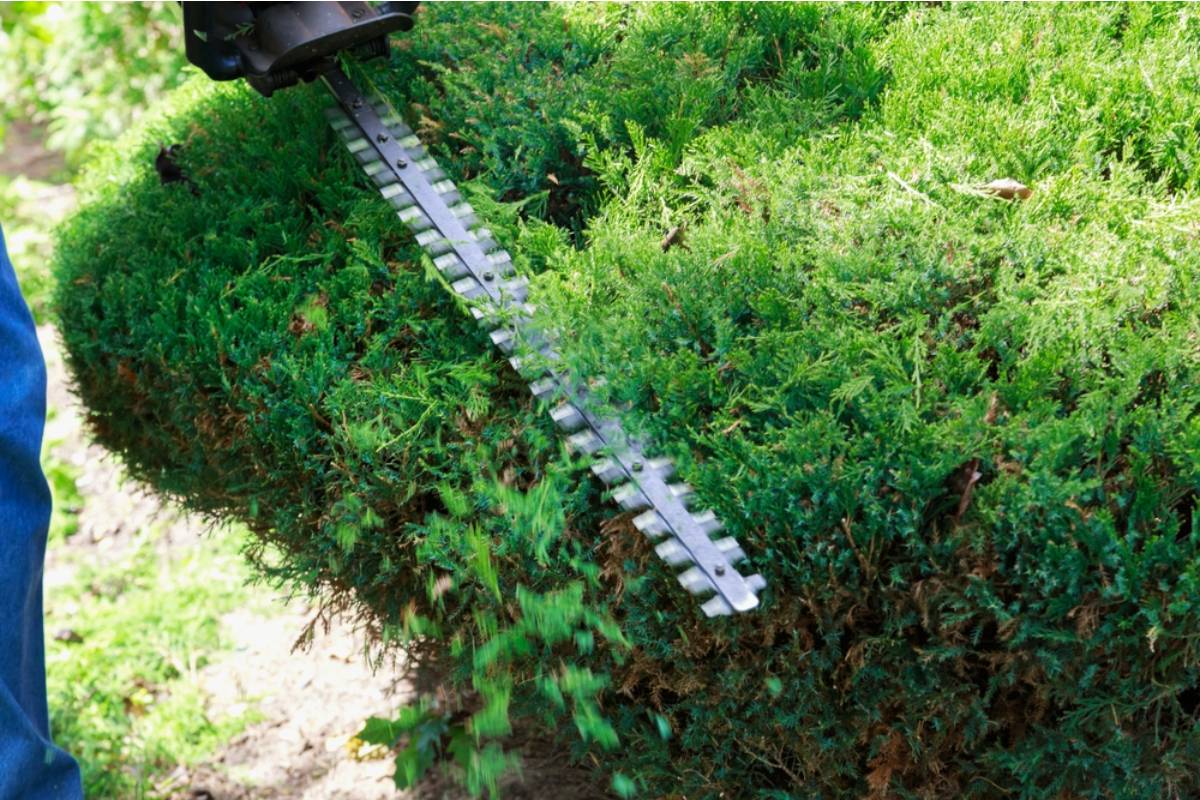
One afternoon, she came home expecting the same peaceful garden she had known for years. Instead, she immediately noticed something looked wrong along the side of the property. Her neighbor had trimmed several feet from the bottom of the massive hedge, creating a strangely open section.
At first, she thought the difference might not be as dramatic as it appeared from a distance. Then she walked closer and realized the lower five feet had essentially disappeared. What had once been a solid green wall had become a giant window between the two yards.
Five Feet Can Change Everything
The homeowner said she had never realized how much privacy those lower sections of the hedge were actually providing. Once they were gone, she could see directly into her neighbor’s yard, and the neighbor could see straight into hers. The change felt enormous despite the fact that the hedge was still technically twenty feet tall at its highest point.
The surprise did not stop there. Looking past the opening, she discovered that she could suddenly see portions of at least three other yards surrounding the property. The garden had gone from secluded sanctuary to accidental neighborhood viewing platform almost overnight.
Her Favorite Retreat Was Gone
She said the hardest part was not the appearance of the hedge itself but the feeling that came with losing the privacy. For years, she had treated the garden as an outdoor room where she could relax without worrying about anyone watching. Suddenly, every trip outside came with the awareness that someone might be looking back.
Even ordinary gardening chores started feeling awkward. Pulling weeds, watering plants, or carrying soil around no longer felt like private activities. She began wondering whether she would have to change the way she used the yard simply because someone else had changed the hedge.
The Hedge Was Never Really Hers
After the initial frustration faded, the homeowner faced an uncomfortable realization. The hedge was apparently on the neighbor’s side rather than entirely on her own property, which meant she did not control what happened to it. Something that had served as a privacy barrier for years had been providing a benefit she had never officially owned.
A response from a person pointed out that this was exactly the danger of relying on vegetation planted outside your property. Another person compared it to enjoying a neighbor’s landscaping without having any say over how it was maintained. The advice was blunt but difficult to argue with: plant your own privacy screen.
The Garden Advice She Did Not Want
The most common suggestion was simple enough to make her laugh despite her annoyance. Several people suggested planting her own privacy hedge entirely within her property boundaries. That way, she would control its height, maintenance, and future rather than depending on someone else’s gardening choices.
The homeowner admitted that the solution sounded reasonable but frustrating. Growing a privacy screen capable of replacing a twenty-foot hedge would take years, not weeks. She imagined herself standing there with tiny shrubs while staring through the enormous gap her neighbor had created.
Then Came the Naked Neighbor Joke
One response from a person suggested an intentionally ridiculous alternative: simply become the “crazy neighbor” and stop caring who could see into the yard. Another person enthusiastically agreed with the joke, suggesting that being completely unbothered might be the easiest solution.
The homeowner seemed to recognize the humor because the situation had become so absurd. Still, she was not quite ready to turn the garden into a daily comedy performance for everyone nearby. She wanted plants, not an audience.
Other Gardeners Understood the Problem
A person shared his story about maintaining an enormous hedge for roughly thirty years. The hedge had once provided tremendous privacy, but maintaining dozens of meters of fast-growing greenery became exhausting, especially in a warm climate where plants grew rapidly and spiders seemed to treat the branches as luxury apartments.
Eventually, that gardener decided to replace the old hedge with lower-maintenance plants that could still provide privacy once they matured. Interestingly, the neighbors became upset when the hedge was removed, even though they had never helped maintain it. His experience offered a strange lesson about how quickly people become attached to privacy features they never had to maintain themselves.
The Shade Was Still There
Another response from a person suggested that the situation might not be entirely negative. Although the lower portion of the hedge had disappeared, the tall upper growth could still provide shade and some visual screening from higher angles. The homeowner admitted that this was technically true, but it did little to make her feel better about being suddenly exposed.
There was also another problem that gardeners might understand immediately. A hedge can block sightlines without completely blocking sound, meaning privacy is never quite as absolute as it appears. Even a lush wall of greenery may not stop conversations, barking dogs, lawn equipment, or the unmistakable sound of a neighbor dragging a trash bin across the pavement.
Childhood Memories Made It Worse
One response from a person described remembering a similar hedge from childhood. A nearby neighbor had allowed a privet hedge to grow several feet high along the property line, creating a familiar green barrier that eventually became part of the neighborhood scenery. Then one day, the owner cut it down dramatically.
The person’s mother had responded with a practical statement that was difficult to dispute: it was the neighbor’s hedge, so the neighbor could decide what to do with it. That explanation may have been simple, but it captured exactly why the homeowner’s frustration was so complicated. Something can feel like part of your home without legally or practically belonging to you.
She Started Studying the Empty Space
After a few days, the homeowner stopped staring angrily at the trimmed hedge and began studying the newly exposed area like a gardening puzzle. She measured the available planting space and considered how much room she had for shrubs, climbers, trees, or a proper privacy fence. What initially looked like a disaster slowly began resembling the outline of a future project.
She realized the accidental opening had actually revealed something useful. She now knew exactly which sightlines were the problem and which areas required the most coverage. Instead of trying to recreate the old hedge exactly, she could design a privacy garden specifically for the way her yard was used.
The First New Plants Went In
The homeowner eventually decided she could not spend years waiting for privacy without doing anything. She started selecting plants that could provide dense growth while fitting comfortably inside her own property line. The first few shrubs looked almost comically small compared with the giant hedge towering above them.
Still, she found herself becoming excited about the project. Each plant represented a tiny piece of control she had never had before. She might have lost the old privacy screen, but she was building something that nobody else could decide to trim without involving her.
The Neighborhood Could See the Transformation
As the weeks passed, the empty section became an active gardening project rather than a source of constant frustration. She added layers of planting so the future screen would not depend on a single row of shrubs. Vines, bushes, and carefully positioned plants began turning the exposed area into a more intentional garden border.
Neighbors noticed the changes, and the homeowner said the experience became surprisingly entertaining. The same opening that had once made her feel watched was now drawing attention to her gardening skills. Instead of hiding behind the hedge, she was creating a garden that invited curiosity on her own terms.
Then She Discovered the Unexpected Advantage
One evening, while working near the new planting area, she noticed something she had completely overlooked when she was angry. The missing lower section had opened the garden to much more sunlight during part of the day. Several plants that had struggled under the old dense hedge suddenly appeared healthier and more vigorous.
That discovery changed her attitude toward the entire situation. She still hated losing the privacy, but she could no longer pretend the old hedge had been perfect. Her garden had been beautiful and secluded, yet it had also been heavily shaded and dependent on someone else’s maintenance decisions.
The Privacy Problem Became a Garden Upgrade
The homeowner eventually decided she did not need to choose between privacy and a beautiful garden. She could build a layered screen using her own plants, combine it with a modest structure where appropriate, and take advantage of the sunlight that had suddenly appeared. What began as an infuriating gardening setback was becoming a redesign she never would have attempted voluntarily.
The biggest twist was that she had spent days wondering whether she should move or become the neighborhood’s infamous “crazy neighbor.” Instead, she became something much more useful: the gardener who took back control of her own privacy. The old hedge had shown her how fragile borrowed privacy could be, while the new garden gave her a chance to create something entirely her own.