Homeowner Says Her Neighbor Kept Filming Her Family, Then the Garden Started Dying After Someone Sprayed the Edible Plants
A person shared his story about a multi-unit residence where growing food had become one of the few peaceful parts of everyday life. Unit A had a small collection of edible plants, including herbs and other favorites that the household actually used in meals. What began as an ordinary little garden eventually became the center of a much bigger neighborhood nightmare.
The garden was tended carefully because some of the plants were meant for eating rather than decoration. A mint plant was especially popular because people in Units A and C regularly used it. Nobody expected that these simple plants would become part of a conflict that would leave several residents feeling watched and unsafe.
The Neighbor Had Already Made Life Uncomfortable
The person explained that the neighbor in Unit B had spent roughly two years arguing with people and filming residents around the property. Early mornings apparently became another opportunity for tense encounters, with the neighbor allegedly recording people as they went about their daily routines. The atmosphere had become uncomfortable enough that residents felt they were constantly being observed.
There had also been previous conflicts involving other people who lived nearby. One former resident was reportedly accused of selling heroin, while another incident involved a call to police over an accusation that someone had put gas inside the neighbor’s house. By this point, the residents of Unit A were already accustomed to strange accusations and unexpected confrontations.
The Vegetable Beds Became the Next Target
Then something much more alarming happened around the plants. A person said someone from Unit B appeared to spray the edible garden while Unit A was nearby, and photographs were taken of the incident. The neighbor allegedly hurried back inside before anyone could see exactly what substance had been used.
That detail turned an unpleasant neighbor dispute into something far more serious. Gardeners can deal with weeds, insects, bad weather, and even the occasional neighborhood cat, but unknown chemicals near food are an entirely different problem. Suddenly, every leaf in the garden had become something the residents had to question.
The Plants Started Showing Strange Changes
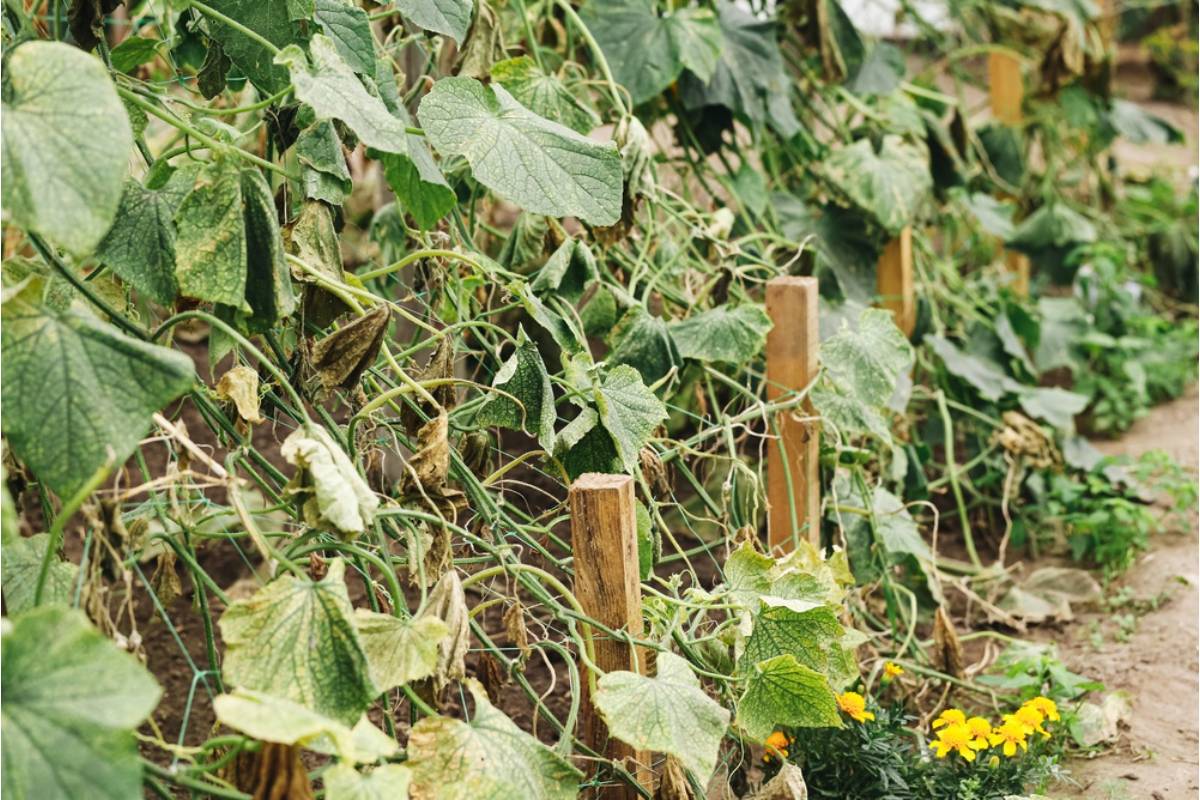
Not every plant reacted in the same way after the suspected spraying. Some reportedly began curling and looking unhealthy, while others appeared almost completely normal. That uneven reaction made the residents even more suspicious because the damage did not look like a simple weather-related problem.
The person also pointed out that the one edible plant the wife regularly consumed was among those reportedly sprayed. That made the situation feel especially personal to the household. Instead of wondering whether the garden had suffered an accidental mishap, they were now wondering whether somebody had deliberately selected particular plants.
One Little Mint Plant Became a Big Concern
The mint plant raised another layer of concern because residents from more than one unit reportedly ate it. The people in Units A and C had been using the herb, and the person sharing the story said both husbands had begun feeling unwell. There was no confirmed explanation connecting those symptoms to the plant, but the timing understandably frightened them.
The mint was no longer just a cheerful herb growing near the house. It had become a reminder that something might have gone wrong in a place where people expected their food to be safe. The residents decided they could not simply wash the leaves and hope for the best.
Some Plants Were Moved Indoors
Unit A reportedly moved several plants indoors in an effort to protect them and possibly preserve them for testing. That decision meant rearranging the household around pots, containers, and whatever healthy plants could be salvaged. The garden that once lived outdoors now had to retreat behind closed doors.
For a gardener, bringing beloved plants inside can feel like a temporary rescue mission. In this case, however, it was more than protecting seedlings from heat or frost. The residents were trying to keep the plants away from whoever might be responsible for the suspected spraying while they figured out what had happened.
The Cameras Suddenly Felt More Important
The property already had cameras, but the residents felt that the footage needed to become part of a larger record. They believed documenting every encounter would help establish a pattern instead of leaving each incident as an isolated argument. A response from a person suggested installing personal cameras and carefully recording every troubling interaction.
That advice made sense because accusations and confrontations can quickly turn into conflicting versions of the same event. Photos of the garden, recordings of people approaching the plants, and notes about dates could provide a much clearer timeline. The residents wanted something more solid than simply telling authorities that their neighbor was making them uncomfortable.
Then the Filming Moved to the Front Door
The garden problem was already stressful when another incident reportedly happened at Unit A’s doorway. The neighbor from Unit B allegedly approached the door and recorded people as they came in and out of the residence. The person sharing the story also said the neighbor threatened to kill Unit A’s husband.
That allegation changed the emotional temperature completely. People can argue about fences, noise, parking, and even garden boundaries, but a reported death threat brings the situation into a much more frightening category. The residents no longer felt they were dealing with someone who was merely difficult.
The Family Started Feeling Trapped
According to the story, the people in Unit A had begun feeling constantly monitored and unsafe. Every trip outside could potentially become another encounter, another recording, or another confrontation. Even ordinary gardening tasks now carried the uncomfortable question of whether someone might be watching.
The wife’s frustration reportedly reached a breaking point. She yelled during one confrontation and eventually began praying with another neighbor, who came from a different religious background, because the situation had become so overwhelming. What had started with a few garden plants had turned into a daily struggle over the feeling of being safe at home.
Calling the Police Was Not Solving the Problem
The residents said police had come out before, but they felt the encounters did not lead to meaningful documentation. They believed the neighbor could present herself as harmless and innocent whenever officers arrived. That left Unit A wondering what they were supposed to say or provide to make the authorities understand the seriousness of the pattern.
The frustration was obvious because the household felt they had already been reporting incidents. A response from a person recommended making a formal record of each encounter and then sharing those police reports with the landlord or property manager. In a multi-unit residence, repeated documentation can sometimes make a recurring dispute much harder to dismiss as a single disagreement.
The Property Manager Could Not Ignore the Pattern Forever
Another response from a person suggested taking the issue directly to the property owner or manager instead of relying only on police visits. The idea was simple: every troubling incident should be documented, reported, and connected to the previous ones. That would create a paper trail showing that the problem was persistent rather than random.
For Unit A, that approach could also bring the garden into the larger picture. Photos of damaged plants, records of suspected spraying, and notes about threats or unwanted filming could all become part of the same timeline. The tiny backyard garden was no longer just a hobby because it had become one of the clearest places where the residents believed they could document what was happening.
A Bigger Question Was Hanging Over the Garden
The residents still had one especially difficult question to answer: what had actually been sprayed on the plants? Without identifying the substance, nobody could confidently explain why some leaves curled while others survived. That uncertainty was perhaps more frightening than seeing obvious damage because the household could not simply look at a plant and know whether it was safe.
The person sharing the story said there were attempts to preserve some plants for possible testing. That step showed just how seriously the residents viewed the situation. Instead of treating the damaged garden as something that could be replanted next season, they were trying to preserve evidence from what they believed might have been a deliberate act.
The Neighbor’s Behavior Had Created a Much Larger Problem
A response from a person suggested contacting a local crisis assessment service if the household believed the neighbor might be experiencing a behavioral or mental health crisis. Another person suggested contacting an adult protective services agency if there were concerns about threats, safety, or the neighbor’s welfare. These responses focused on getting the right kind of intervention rather than trying to diagnose the neighbor themselves.
That distinction mattered because the residents did not need to determine exactly why the behavior was happening before taking reasonable steps to protect themselves. They needed a way to document what they personally witnessed and communicate those facts clearly. The garden, the cameras, the reports, and the alleged threats had all become pieces of one much larger puzzle.
The Garden Became the Unexpected Evidence
The strangest part of the entire story was how ordinary the garden looked before everything changed. There were plants growing, herbs being harvested, and neighbors using a little mint for everyday meals. Then suddenly, the same garden had become a collection of clues that might help explain a conflict that had been building for years.
What made the situation feel especially unsettling was that the plants could not speak for themselves. A curled leaf could show damage, but it could not explain who caused it or what substance had touched it. The residents therefore found themselves relying on photographs, videos, witness accounts, and careful records to tell the story their garden could not tell on its own.
The Twist Was That the Plants Were Not Really the Only Target
By the end of the story, the residents were facing something much bigger than a damaged patch of greenery. The alleged spraying was only one part of a pattern that included filming, confrontations, accusations, and a reported threat against a resident. The garden simply became the clearest and most visible sign that the situation had crossed from ordinary neighbor friction into something the household considered genuinely threatening.
The person shared the story because they wanted to know how Unit A could finally get authorities and property management to take the entire situation seriously. A garden should be a place where people grow food, enjoy fresh herbs, and escape the chaos of the outside world. Instead, this household found itself wondering whether the safest place for its plants was behind a locked door and whether its cameras might someday provide the evidence needed to make the conflict impossible to ignore.