Homeowner Says Her Neighbor Pressure-Washed Layers of Paint Off a Century-Old House, Then Watched in Horror as Muddy Dogs Ran Through the Runoff Puddles Near Her Garden
A person shared his story after what looked like an ordinary home improvement project next door turned into a worrying situation involving an old house, suspicious paint chips, and muddy dogs. His neighbor had hired someone to pressure-wash the exterior of her roughly 100-year-old home, stripping away several layers of old paint in the process. What should have been a straightforward renovation soon raised questions about what might be washing into the surrounding yards.
For anyone who spends hours tending flower beds, maintaining healthy soil, or growing vegetables, the thought of unknown contaminants entering the garden is enough to spoil the afternoon. The homeowner became particularly concerned when runoff began collecting near his property and his dogs came back covered in mud. Suddenly, the neighbor’s renovation was no longer just something happening on the other side of the fence.
The Old House Had More Than One Secret Beneath Its Paint
The house’s age was an important part of the concern because older homes can contain lead-based paint beneath newer layers. The homeowner noticed several distinct colors in the exposed paint, including orange, pink, and green, with what appeared to be another pale layer underneath. Instead of seeing a simple exterior makeover, he began wondering whether decades of old paint had been disturbed without sufficient precautions.
His neighbor reportedly assured him that the paint had been tested and was acrylic, with the last painting having taken place around 20 years earlier. That explanation should have offered some reassurance, but the homeowner remained uneasy after seeing the different layers exposed. Multiple paint colors alone do not prove that lead is present, yet the age of the building gave him a reason to want the situation checked properly.
Pressure Washing Sent the Homeowner Looking at His Own Yard
The homeowner’s attention shifted from the peeling exterior to the water and debris moving around the neighboring property. Pressure washing can dislodge paint fragments and create contaminated runoff if old coatings contain hazardous substances. When that runoff reaches nearby soil, garden beds, or puddles where animals play, an otherwise private renovation can become a concern for people living next door.
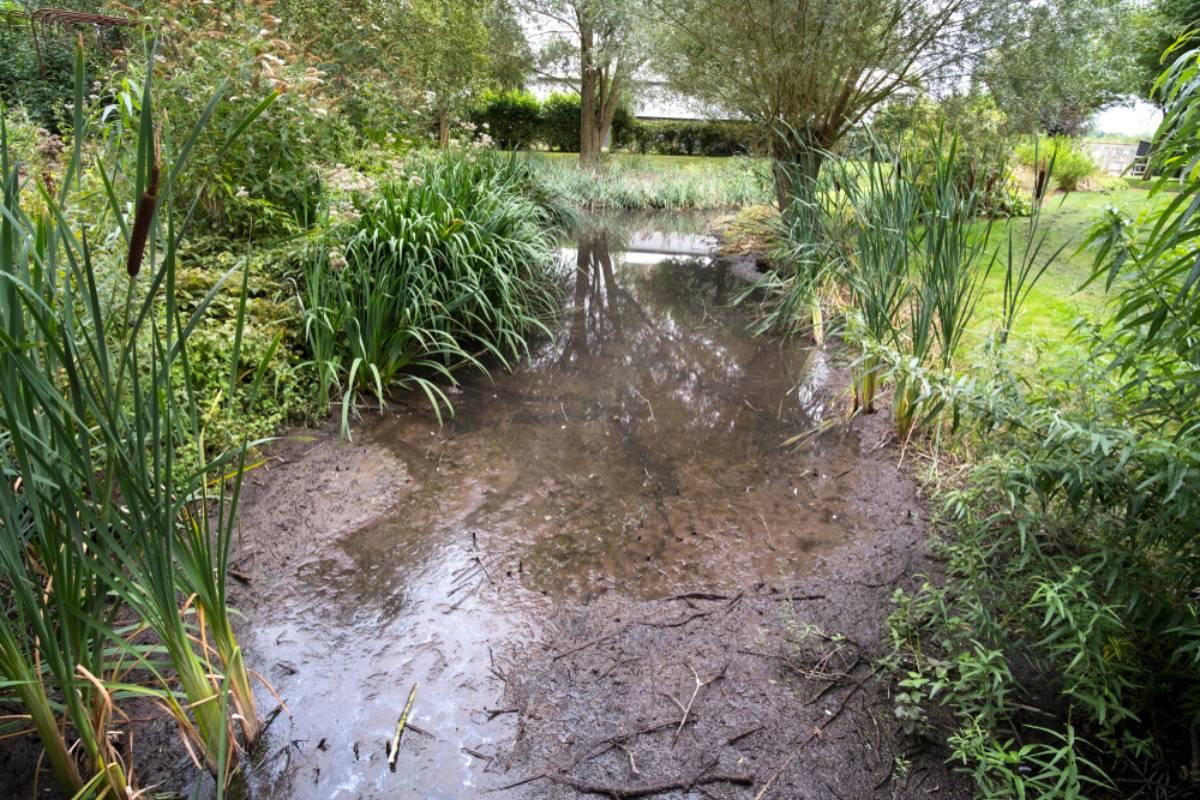
The homeowner described finding his dogs covered in mud after they had encountered a runoff puddle. That discovery made the potential consequences feel much more immediate than simply spotting colorful flakes on the ground. He was no longer thinking only about the neighbor’s house but also about what his animals might have tracked back across his own property.
The Dogs Turned a Paint Dispute Into a Bigger Concern
Dogs have a talent for finding the one muddy patch their owners hoped they would avoid, and these dogs had apparently discovered a particularly troubling one. The homeowner worried that the water and mud could contain particles from the old paint being removed next door. Although the appearance of the puddle could not establish whether it contained lead, it was enough to make him question whether the area needed testing.
For gardeners, this kind of uncertainty can be especially frustrating because soil is not as easy to replace as a dirty doormat. Contamination, if confirmed, could affect how an area should be used and cleaned, particularly if children or pets regularly spend time there. The homeowner wanted answers before treating the mess as an ordinary backyard inconvenience.
The Neighbor’s Reassurance Did Not End the Argument
According to the account, the homeowner attempted to speak with his neighbor after noticing the runoff and becoming concerned about the dogs. He wanted to discuss what had happened and whether the paint removal might have affected his property. Instead of reaching a calm agreement, the conversation reportedly escalated almost immediately.
The neighbor allegedly shouted at him to get off her property and threatened to call the police. That response left the homeowner feeling that a straightforward environmental concern had become a personal confrontation. With communication breaking down, he decided to look beyond an informal conversation for a way to establish what had actually happened.
A Garden Owner Cannot Identify Lead by Looking at Paint Chips
The different colors beneath the exterior coating understandably caught the homeowner’s attention, but appearances cannot settle the question of lead exposure. Old paint can contain hazardous ingredients, yet newer paint can also cover older layers without revealing their chemical composition. A proper test is needed to distinguish a genuine contamination concern from a frightening possibility.
The same principle applies to soil and runoff in a garden. A colorful paint fragment or a suspicious-looking puddle may justify further investigation, but neither provides a reliable measurement of contamination. The homeowner needed evidence from the affected area rather than relying entirely on the appearance of the house or the neighbor’s reassurance.
The Homeowner Decided to Contact Code Compliance
After the confrontation, the homeowner said he contacted local code compliance officials to report his concerns. This gave him a way to ask whether the renovation had been carried out appropriately and whether any relevant local requirements might apply. Depending on the location and circumstances, officials may be able to investigate unsafe work or direct residents toward the appropriate environmental authorities.
The decision also moved the dispute beyond a disagreement between two neighbors. Instead of continuing to argue about the paint, the homeowner could seek guidance from people responsible for reviewing property and safety complaints. Whether any violation had occurred, however, would depend on the evidence and the rules applicable to the property.
A Lawyer Entered the Picture as the Stakes Seemed to Rise
The homeowner also said he had alerted his lawyer, suggesting that he was considering what might happen if his yard had been contaminated. For someone who has invested time and money in maintaining a property, the possibility of having to test or remediate affected soil can be alarming. It is understandable that he wanted to know what options might be available before the problem became more expensive.
At the same time, the account did not establish that the neighboring property had definitely released lead into his yard. Legal responsibility would depend on facts such as the test results, the source of any contamination, and the applicable regulations. Without that evidence, the dispute remained a serious concern rather than a proven case of environmental damage.
One Response From a Person Recommended Testing Before Taking Legal Action
A response from a person urged the homeowner to establish whether contamination had actually occurred before building a legal case around it. The advice focused on the importance of testing rather than assuming that the exposed paint layers automatically meant lead was present. It also highlighted the possibility that a legal dispute could become expensive and time-consuming if the evidence did not support the original suspicion.
That suggestion offered a practical counterpoint to the homeowner’s understandable frustration. Professional soil sampling and appropriate paint testing could help determine whether there was a genuine hazard and what steps might be necessary. The results could also provide a clearer foundation for any later discussion about responsibility or cleanup costs.
The Garden Soil Could Be More Important Than the Fence Line
One particularly useful point raised in the discussion was that testing only the strip immediately beside the neighbor’s house might not provide a complete picture. Runoff and wind can move debris in different directions, meaning that the areas of concern may not be limited to the property boundary. A qualified environmental professional can determine where samples should be collected based on the layout of the yard and the circumstances of the work.
For a homeowner with flower beds, lawn areas, or vegetable plots, understanding the distribution of any contamination matters more than simply finding a few paint flakes. Different areas may have received different amounts of runoff, and sampling should be designed to answer a specific question. Guessing where contamination might be located could lead to unnecessary expense or leave important areas unexamined.
Old Paint Can Create Problems Long After a House Is Built
The incident also serves as a reminder that older homes sometimes contain materials that require special handling during renovation. In the United States, homes built before 1978 may contain lead-based paint, although the age of a property alone cannot confirm its presence. Removing old coatings through scraping, sanding, or pressure washing can create risks if appropriate precautions are not taken.
Lead exposure is particularly concerning because it can cause serious health effects, especially in children, and there may be no obvious warning signs from looking at the surrounding area. Paint chips and contaminated dust or soil can create exposure pathways for people and animals. That is why suspected lead-related renovation hazards should be assessed through suitable testing and professional guidance rather than treated as an ordinary mess.
A Pressure Washer Can Send Debris Further Than Expected
Pressure washing is often used to prepare exterior walls for repainting, but the method can scatter paint fragments and move debris through water runoff. If hazardous coatings are present, the resulting material may spread beyond the immediate work area. What appears to be a quick cleanup job can therefore require a more careful approach when an older building is involved.
For gardeners, the lesson is not that every neighboring renovation threatens the soil. Instead, it is that work involving old paint deserves attention when debris or runoff visibly crosses onto another property. Keeping pets away from questionable puddles and avoiding contact with suspicious paint chips until the situation is assessed are sensible precautions.
The Biggest Question Was Whether the Yard Had Actually Been Contaminated
Despite the homeowner’s alarm, the central question remained unanswered: had the renovation introduced lead into his yard, or was he reacting to a risk that had not been confirmed? The neighbor reportedly said the paint had been tested, while the homeowner remained concerned about the exposed layers and the muddy runoff. Without reliable testing of the relevant materials and soil, neither side’s position could settle the issue conclusively.
That uncertainty is what made the dispute so difficult. The homeowner had a legitimate reason to want potentially hazardous debris investigated, but the evidence described in his account did not establish that lead had reached his property. Testing could help separate a real environmental problem from a frightening possibility and identify whether any cleanup was necessary.
The Dispute Offered a Lesson for Anyone Renovating Near a Garden
Anyone planning work on an older home should consider what might happen to paint chips, dust, and wastewater before the project begins. Appropriate containment and safe work practices can help prevent debris from spreading onto neighboring properties. Where lead-based paint may be involved, qualified professionals can advise on the proper assessment and removal methods.
Neighbors can also protect themselves by documenting visible runoff, keeping pets away from suspicious debris, and contacting relevant local authorities when a genuine hazard is suspected. If contamination is a possibility, professional testing is more useful than trying to judge the risk by color or appearance. A little preparation can prevent a home improvement project from turning into a much larger neighborhood dispute.
The Final Twist Was That Neither Side Could Settle the Matter With Words Alone
The homeowner’s story began with a neighbor stripping paint from an old house and ended with concerns about dogs, garden soil, code compliance, and possible legal action. What initially looked like a routine renovation had become a dispute over environmental safety and property boundaries. Yet the most important part of the story was not the argument itself but the unanswered question about what, if anything, had entered the yard.
The neighbor’s assurance that the paint was acrylic did not independently resolve the homeowner’s concerns, just as the presence of several old paint layers did not prove that lead contamination had occurred. Reliable testing and an appropriate assessment would be needed to establish the facts. For anyone tending a backyard garden, the takeaway is simple: when renovation debris crosses the fence, investigate the risk before assuming either that everything is safe or that the garden has been ruined.