Homeowner Says Her Neighbor Spent a Year and a Half Reporting a Stray Cat to the City, Then Her Husband Was Caught Shining a Flashlight Into the Kitchen Window, Prompting a Plan to Turn the Backyard Into a Wall of Green
A person shared his story about a frustrating neighbor dispute that began with an ordinary backyard and a cat that seemed to belong to absolutely nobody. After living in his home for several years, he had already become familiar with a woman who seemed unusually interested in how he maintained his property. What started with a request to trim the privacy bushes along his fence line eventually developed into a much stranger situation.
The homeowner wanted to enjoy his property without feeling as though somebody were keeping tabs on his every move. Unfortunately, the neighbor’s interest in his yard appeared to grow rather than fade away. Before long, a wandering cat that had been roaming the neighborhood long before he arrived became the center of an unexpected battle.
The Neighbor Who Had Opinions About Every Bush
The trouble reportedly began when the woman approached the homeowner and insisted that he trim the privacy bushes along his fence. For someone who wanted a little peace and quiet at home, the interaction was an unwelcome introduction to a neighbor who seemed determined to pay attention to his landscaping. Those bushes, which were supposed to offer privacy, would eventually become an even bigger part of the story.
The homeowner explained that the woman frequently spent time in her own yard scattering corn for small animals. He also noticed that she seemed to be outside whenever he returned home from work, sometimes shining a flashlight toward his property. What might have seemed like harmless neighborhood activity at first gradually became uncomfortable as the incidents continued.
A Flashlight Becomes Part of the Daily Routine
Having a neighbor who enjoys gardening or watching wildlife is hardly unusual. Plenty of people spend their evenings tending plants, feeding birds, or checking on the animals that visit their yards. However, the homeowner felt that this situation was different because the woman’s attention seemed directed toward his property rather than simply her own outdoor activities.
The repeated flashlight incidents left him wondering why his neighbor appeared so interested in what happened on his side of the fence. He had not described any dispute that would explain such persistent attention, and the situation was becoming increasingly irritating. Still, the most unsettling discovery had not yet arrived.
Her Husband Adds Another Unexpected Twist
The homeowner then described an incident involving the woman’s husband that made the situation feel even more uncomfortable. According to his account, he noticed the man recording or shining a flashlight into his kitchen window while positioned near a garbage can. The homeowner immediately shut the window after noticing what was happening.
That encounter changed the way he viewed the earlier incidents around his backyard. What had seemed like an annoying neighbor’s habit now felt much more intrusive because the activity appeared to involve a private indoor space. He was left wondering how much attention the couple had been paying to his home and why they seemed so interested in his everyday life.
The City Sends a Letter About a Cat
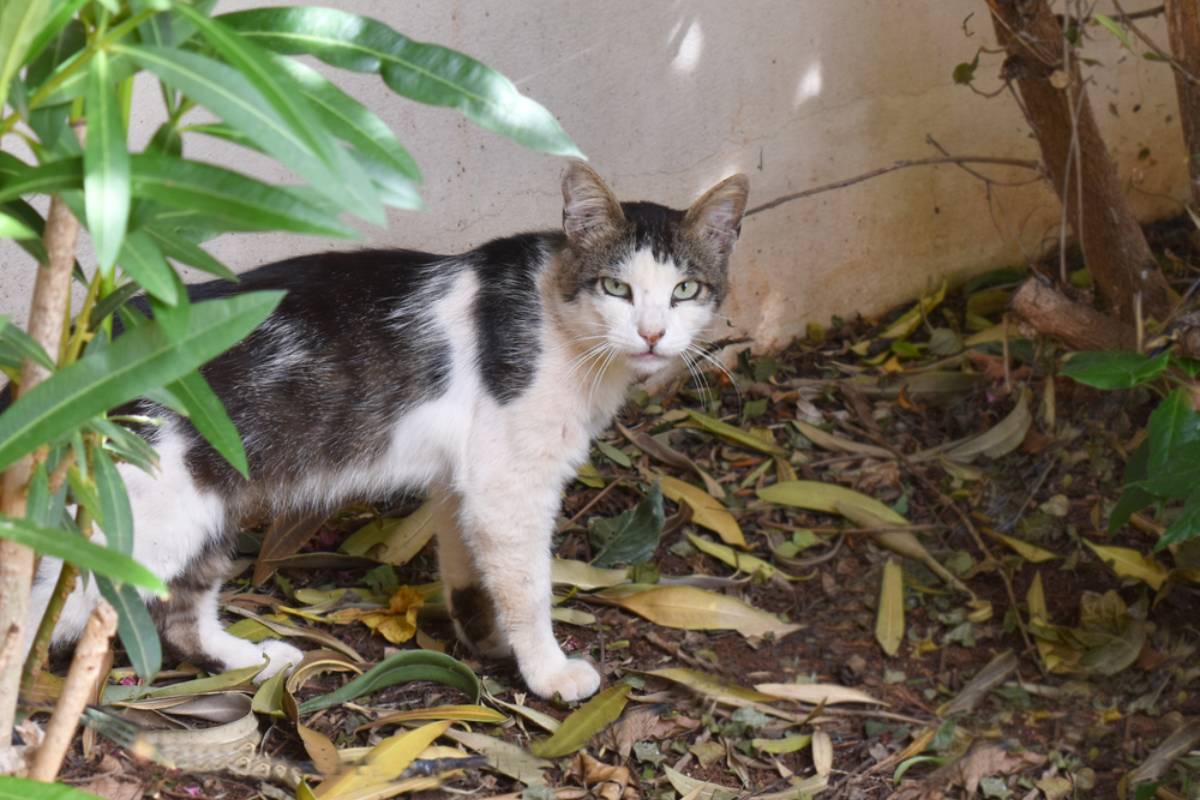
Just when the homeowner thought the situation could hardly become more peculiar, a letter arrived from the city. The notice concerned a cat that had reportedly been roaming the neighborhood before he moved into the property. According to the homeowner, his neighbor had been contacting the city for approximately a year and a half, claiming that the animal belonged to him.
The accusation was especially frustrating because he said the cat was not his pet. He had not claimed ownership of the animal, and its presence in the neighborhood was not something he had arranged. Nevertheless, the complaint had apparently continued long enough for the city to contact him about the matter.
The Stray Cat Nobody Could Seem to Leave Alone
The cat itself seemed to have become an unwilling participant in a dispute that had very little to do with its actual behavior. Stray and roaming cats often move between yards, explore gardens, and visit different properties without having a clear owner nearby. In this case, the homeowner insisted that the animal had been around long before he arrived.
The situation raised an obvious question: how could he be held responsible for a cat he did not own? From his perspective, the accusation was difficult to understand, especially given the animal’s long-standing presence in the neighborhood. Instead of enjoying a quiet evening at home, he was now dealing with official correspondence over a pet that was not his.
The City Keeps Asking for More Information
The homeowner said he explained to the city that the cat did not belong to him. However, he felt that the people handling the matter continued to press him for information even after he had made his position clear. The exchanges left him frustrated because he believed he was being asked to defend himself against an accusation that had no basis.
Rather than continuing to handle everything through phone conversations, he said he emailed the city to explain the situation in writing. Even then, he felt the matter was not being resolved as quickly as he had hoped. What should have been a straightforward clarification was turning into another source of stress in his own home.
Then Came the Threat of Animal Control
The situation became even more concerning when the homeowner said he was told that the cat could be captured and impounded. For anyone who cares about animals, the thought of a roaming cat being caught because of a mistaken ownership claim could be upsetting. The homeowner, meanwhile, was frustrated that the dispute continued to involve him despite his insistence that he was not responsible for the animal.
The possibility of the cat being taken away also highlighted how a neighborhood complaint can affect more than the person being accused. The animal had no control over where it wandered or what people said about it. Yet it had become the center of an increasingly uncomfortable disagreement between neighbors and local authorities.
The Homeowner Decides to Stop Answering Calls
After repeated attempts to explain that the cat was not his, the homeowner said he stopped answering the city’s calls. He had already sent an email outlining his position and did not want to keep repeating the same explanation in conversations that he felt were going nowhere. From his perspective, the constant back-and-forth was becoming exhausting.
However, ignoring calls does not necessarily make an official complaint disappear. A written response and copies of any correspondence can help establish what a person has already communicated, while any formal notice should still be handled within its stated deadlines. The homeowner’s experience illustrates why keeping a clear record can be useful when an everyday neighborhood disagreement turns into an administrative headache.
A Backyard Privacy Project Suddenly Gets Serious
With the dispute dragging on, the homeowner began considering a practical way to reclaim his privacy. He asked about plants, shrubs, and trees that could block his neighbors’ view into his yard. He was even prepared to spend more than $300 to create a much thicker green barrier along the property line.
For a gardening enthusiast, that kind of project might sound like an exciting landscaping challenge. But this homeowner’s motivation was not simply to create a prettier backyard or establish a lush garden border. He wanted to enjoy his outdoor space without feeling watched every time he came home from work.
The Search for a Living Green Wall
A row of carefully selected shrubs can provide a natural screen while making a backyard feel more secluded. Depending on the climate, available space, and local rules, homeowners might consider evergreen shrubs, dense hedges, or a combination of trees and smaller plants. The best choice would depend on how quickly the screen needs to grow and how much maintenance the homeowner is willing to handle.
A response from a person suggested looking into fast-growing privacy shrubs, while another specifically mentioned arborvitae as an option that can grow tall. These suggestions gave the homeowner a starting point for turning his frustration into a concrete gardening plan. Rather than relying on a single bush along the fence, he could explore a layered planting that offered more consistent coverage.
Why Choosing the Right Plants Matters
Fast-growing plants can be appealing when privacy is the priority, but speed is only one part of the equation. Some species eventually become too large for narrow yards, while others require regular pruning or struggle in the local climate. Before spending hundreds of dollars, a homeowner should check mature plant dimensions, sunlight requirements, drainage needs, and any restrictions that apply to the property.
Evergreen plants can be especially useful when year-round screening is important. However, a mixed hedge may also provide seasonal interest and habitat for birds and beneficial insects. With careful planning, the homeowner’s proposed green barrier could become a useful garden feature rather than merely a reaction to an unpleasant neighbor dispute.
The Fence Line Could Bring Its Own Rules
Although the homeowner wanted to block the neighbors’ view, planting an entire row of shrubs would require some research first. Local ordinances, property boundaries, homeowners association rules, and restrictions on fence heights or hedges can affect what is allowed. A plant that seems perfect at the nursery could become a problem if it grows beyond permitted limits or obstructs a shared access area.
A response from a person recommended checking applicable rules before installing a fence or planting a row of trees. That advice was particularly relevant because the homeowner was already dealing with complaints involving the city. The last thing he needed was for his new privacy project to create another dispute over landscaping regulations.
Other Ways to Make the Backyard Feel Private
Plants were not the only possible solution to the homeowner’s concerns. Outdoor screening panels, appropriately placed fencing, and carefully arranged garden structures can help reduce direct sightlines into a yard. Indoors, curtains or suitable window coverings can provide privacy without requiring major landscaping work.
Another response from a person suggested considering cameras to document concerning incidents, while also emphasizing the importance of checking local laws. Any camera installation should respect privacy rules and avoid unnecessarily recording areas where neighbors expect privacy. Combining sensible landscaping with practical documentation could help the homeowner feel more in control of his property.
The Cat Was Only Part of a Much Bigger Problem
By this point, the dispute had grown far beyond a disagreement about a roaming animal. The homeowner described a series of incidents involving his bushes, repeated flashlight activity, a troubling encounter near his kitchen window, and the city’s continued questions about the cat. Each new development seemed to add another layer to an already uncomfortable situation.
The strangest part was that the homeowner’s original goal had been fairly simple: enjoy his house and maintain his yard without unnecessary interference. Instead, he found himself explaining that he did not own a cat and researching ways to hide his backyard behind a wall of greenery. The garden, once a place for privacy and relaxation, had become central to his attempt to regain both.
A Green Wall Might Be the Beginning of a Fresh Start
The homeowner’s story ended with him seeking ideas for plants that could block the neighbors’ view, rather than describing a completed landscaping project or a final resolution to the complaint. His next step would be to choose suitable plants, confirm the relevant property rules, and decide how much screening his yard actually needed. A well-planned hedge could offer a little more seclusion while improving the look of the outdoor space.
Still, the larger lesson is that privacy landscaping works best alongside clear boundaries and careful documentation when a neighbor dispute becomes persistent. The homeowner could not control where a stray cat wandered or what someone told the city, but he could make informed decisions about his own property. And if those decisions eventually produced a lush, leafy backyard where he could finally relax, the most unexpected outcome might be that a frustrating dispute inspired a garden transformation after all.