Homeowner Says Her Neighbor Spent Months Complaining About Three Fig Leaves, Then Threatened to Trim Her Garden Himself While She Was Away
A homeowner thought her backyard bird feeders were an ordinary part of enjoying her garden. Then her neighbor began complaining that the peanuts in the feeders were attracting squirrels, which were supposedly carrying the nuts into his yard. She found the complaint irritating but harmless, so she tried to accommodate him rather than start a neighborhood feud.
For nearly five months, she adjusted her routine and tolerated the complaints. She figured that if removing a few peanuts could keep the peace, it was probably worth the minor inconvenience. Unfortunately, the peace never arrived because the neighbor soon found another reason to be unhappy.
The Driveway Suddenly Became a Battlefield
At one point, the neighbor began parking extremely close to the edge of her driveway. His own driveway was sitting empty, making the placement seem less like coincidence and more like a deliberate annoyance. The homeowner found herself struggling to pull into her own driveway while wondering what exactly had caused this strange escalation.
She did not confront him aggressively because she was still hoping the situation would settle down. Instead, she endured the inconvenience and continued tending her plants. Looking back, she began wondering whether every concession had simply encouraged him to make another demand.
Then He Discovered the Fig Tree
The next complaint involved her fig tree, which stood near the property line. According to the neighbor, several leaves were extending over the fence and squirrels were dropping figs into his lawn. The homeowner could hardly believe that a handful of leaves had become the latest neighborhood emergency.
The tree was not some enormous jungle swallowing his yard. It was an ordinary garden plant, and the supposedly offensive leaves were a tiny fraction of the tree. Yet the neighbor treated them as though the entire landscape had been deliberately designed to invade his property.
The Shrub Became the Next Problem
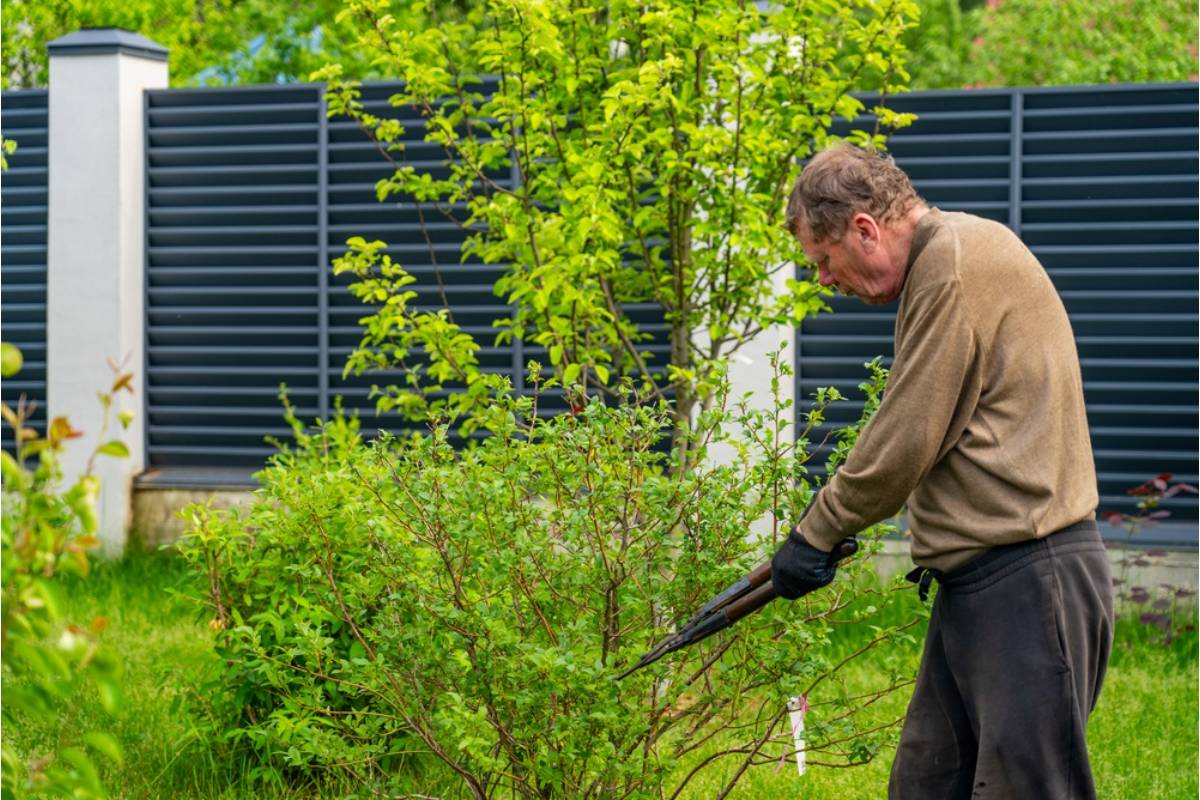
The neighbor also noticed that another shrub had a few branches extending across the fence line. He told the homeowner’s son that if she was not capable of trimming them, he would come into her yard and do it himself. That sentence bothered her far more than the leaves themselves.
The problem was not simply gardening anymore. A neighbor complaining about overhanging branches was one thing, but announcing an intention to enter someone else’s yard without permission felt completely different. Suddenly, the homeowner was thinking less about pruning and more about boundaries.
He Chose the Moment She Was Gone
What made the encounter even stranger was the timing. The neighbor approached her son while she was away, apparently knowing that she was not home because her car was missing. Instead of speaking directly with the homeowner, he chose to deliver his message to someone else.
That detail made her feel targeted in a way that the earlier complaints had not. She was a single woman living close to her neighbors, and the comment about whether she was “capable” of handling her own landscaping struck a nerve. The garden suddenly felt like the setting for a personal power struggle rather than a simple disagreement over plants.
Ten Feet Made Everything Worse
The houses in the neighborhood were only about ten feet apart. There was barely enough distance between properties for anyone to forget that another household existed on the other side of the fence. Every complaint therefore felt impossible to escape.
The homeowner could not simply retreat to a quiet corner of her yard and forget the neighbor existed. His house, driveway, fence, and constant complaints were always within sight. She began fantasizing about the day she could sell the property and finally stop living inside someone else’s obsession with landscaping.
The Fig Tree Paid the Price
After months of being worn down, the homeowner did something she immediately regretted. She moved the enormous potted fig tree, which weighed around 200 pounds, just to eliminate the possibility of another complaint. The effort was exhausting, and she feared the stress of moving it might have seriously damaged the plant.
She also broke branches off the nearby shrub so nothing could possibly hang over the fence. It was a drastic reaction to an extremely small problem. As she looked at the damaged plants, she realized the irony was almost painful: she had hurt her own garden while trying to satisfy someone else’s demands.
A Response From a Person Changed the Perspective
A response from a person pointed out that the homeowner had already made several concessions without receiving peace in return. First came the bird-feeder complaints, then the driveway obstruction, then the demands about the trees and shrubs. The pattern suggested that giving in had not solved anything.
That observation made the homeowner reconsider the entire situation. Maybe the real problem was not squirrels, peanuts, figs, or leaves at all. Maybe the neighbor had simply learned that making a demand would eventually make her change something on her own property.
The Squirrels Became Unofficial Suspects
Another response from a person jokingly suggested that the homeowner had trained the squirrels to throw figs into the neighbor’s yard. The ridiculous idea was funny enough to break some of the tension surrounding the situation. Suddenly, the tiny garden conflict became an imaginary wildlife conspiracy.
The homeowner played along with the joke and mentioned that the area also had osprey nests nearby. Those birds sometimes dropped fish while flying around the marsh. She began imagining the neighbor’s reaction if nature itself decided to send something much more dramatic over the fence.
Then Came the Garden Revenge Fantasy
A response from a person suggested replacing the lawn along the shared fence with an aggressively spreading native pollinator garden. The idea was obviously more humorous than practical, but it gave the homeowner something she desperately needed: a reason to laugh. After months of worrying about every leaf and branch, imagining an entire meadow marching toward the neighbor’s lawn was strangely therapeutic.
The homeowner joked about plants that might spread aggressively in Florida. She even considered the possibility of adding more wildlife-friendly features to the garden. For a moment, the neighbor’s complaints seemed less powerful because the garden had become a source of humor instead of anxiety.
The Real Issue Was Never the Leaves
A particularly sharp response from a person pointed out that the neighbor’s demands had gradually become larger. The homeowner had stopped feeding certain foods, moved a heavy potted tree, and damaged her own shrub, yet the complaints continued. If three leaves could trigger another confrontation, eliminating every leaf would probably never be enough.
That realization hit harder than any legal advice could have. The homeowner understood that she had been trying to prevent conflict by constantly adjusting her behavior. But each adjustment had only taught the neighbor that pressure worked. Her garden was not actually the problem; the endless expectation that she should solve his discomfort was.
She Finally Drew a Line
The homeowner began considering a much simpler response if the neighbor complained again. She could tell him that he was free to deal with whatever crossed onto his side according to the applicable rules, but he did not have permission to enter her property. There would be no more dragging enormous pots around simply because someone else disliked a few leaves.
That boundary felt surprisingly freeing. She did not need to argue, insult him, or start a dramatic neighborhood campaign. She only needed to stop treating every demand as an emergency that required immediate obedience.
The Garden Became Evidence
Another response from a person suggested documenting the plants and keeping records of landscaping work. The idea made sense because the homeowner had already experienced enough stress to know that memories could become disputed later. Photographs showing healthy plants and the condition of the fence line would provide a much clearer record.
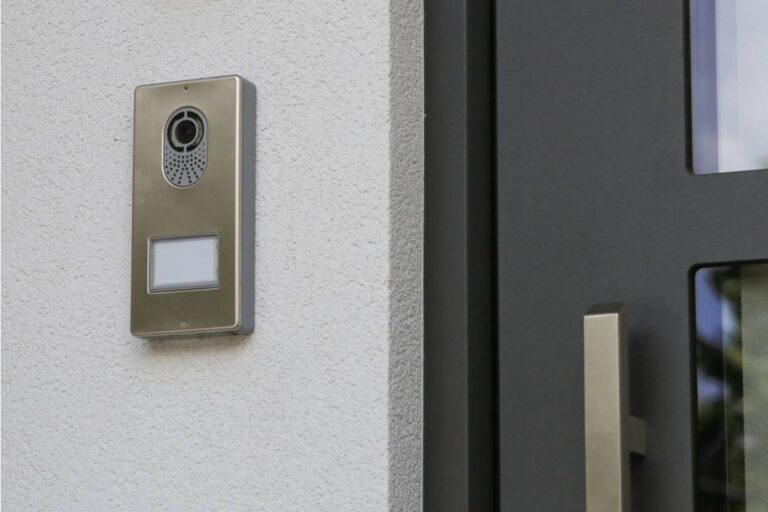
She also considered using a small camera to monitor the driveway and garden boundary. If the neighbor ever entered the property after being told not to, there would be a record of what happened. For once, the homeowner would not have to prove everything through memory and frustration.
The HOA Was Suddenly Interesting
Because the neighborhood had an HOA, the homeowner also had another possible avenue if the conflict continued. The neighbor had spent months scrutinizing her garden, but his own behavior around the driveway might be worth examining under the community’s rules. Suddenly, she realized that the person making all the complaints might not be the only one capable of violating a rule.
She did not want to weaponize the HOA or turn every disagreement into paperwork. Still, knowing that there were formal channels available made the situation feel less one-sided. If the neighbor wanted everything governed by rules, perhaps he would eventually discover that those rules applied to everyone.
She Refused to Let the Garden Defeat Her
The homeowner admitted that the whole situation had made her sad. She knew other people had experienced much worse conflicts with neighbors, but that did not make her own frustration disappear. Living ten feet from someone who constantly finds fault with your property can wear a person down even when every individual complaint seems small.
She reminded herself that a peaceful garden was supposed to be a place of enjoyment, not a place where she measured every branch against an imaginary ruler. The figs, shrubs, squirrels, and birds were supposed to be part of her outdoor life. They were never supposed to become ammunition in a daily neighborhood argument.
Then the Osprey Delivered the Perfect Twist
One afternoon, she looked toward the marsh and remembered the osprey nests nearby. The birds regularly carried fish through the sky, sometimes dropping their slippery meals before reaching their destination. For the first time, she found herself hoping nature might provide a little comic relief.
She imagined the neighbor standing in his perfectly controlled yard when an osprey accidentally dropped a fish onto his grass. There would be no homeowner to blame, no branch to trim, and no bird feeder to confiscate. The garden had finally taught her the most important lesson of all: sometimes the best revenge is simply refusing to let someone else’s obsession ruin your ability to laugh at the absurdity of it.