Homeowner Says Her Neighbor Sprayed Herbicide on Her Trees, Then Faced a Growing Mystery as the Garden’s Future Suddenly Came Into Question
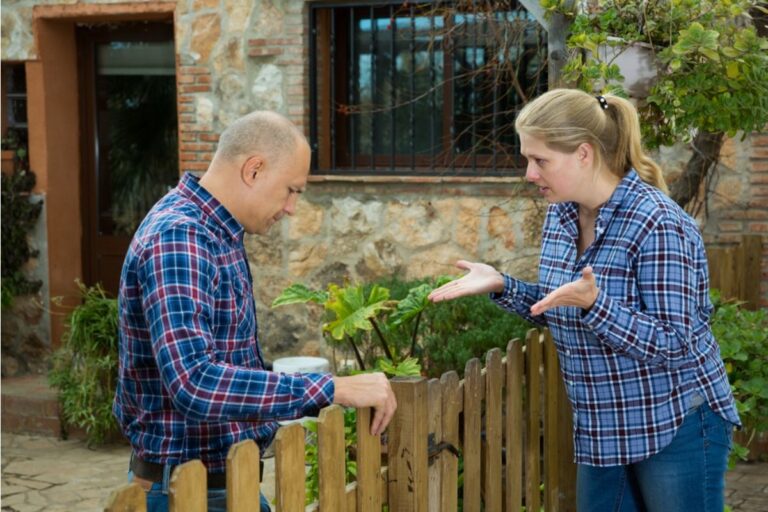
A person shared his story about a neighborhood dispute that began with three ornamental pear trees and a neighbor who had apparently disliked them for years. The trees stood on his property, planted by the previous homeowners, and had become a permanent part of the landscape. Unfortunately, their branches stretched across the property line, leaving the neighbor with fallen leaves to clean up and plenty of complaints to make. What began as an ordinary disagreement about garden maintenance would eventually turn into a much more serious conflict.
The Trees Were Already There When He Moved In
When the homeowner and his wife moved into their house in Maryland, the three Callery pear trees were already growing between their properties. They had not chosen the trees themselves, but they inherited the responsibility of caring for them when they purchased the home. The trees were mature, healthy, and established, making their removal a significant undertaking rather than a quick weekend gardening project. For the new owners, they were simply part of the garden they had acquired.
The Neighbor Had Complained From Day One
The homeowner explained that his very first conversation with the neighbor involved complaints about the trees. The neighbor disliked their messy appearance and resented having to clear away leaves that landed on his side of the property. According to the homeowner, the neighbor even admitted that he had previously purchased poison to kill the trees before deciding against using it at the time. That early conversation would later take on a very different meaning when the trees began showing signs of damage.
Removing Three Mature Trees Was No Small Favor
As the years passed, the neighbor repeatedly asked the homeowner to remove the trees. Eventually, the homeowner politely explained that he had plenty of other priorities competing for his time and money. He offered a possible compromise, saying he would be open to removal if the neighbor wanted to pay for the work. Instead of resolving the disagreement, the offer appeared to mark the beginning of a colder relationship between the two households.
A Friendly Relationship Suddenly Went Cold
After the homeowner made his position clear, the neighbor largely stopped speaking to him. The previously friendly interactions between them faded, leaving an uncomfortable silence hanging over the shared property line. The trees continued growing in their usual spot, seemingly unaware that they had become the center of a neighborhood feud. For a while, the disagreement appeared to have settled into an uneasy stalemate.
Then the Leaves Began to Wither
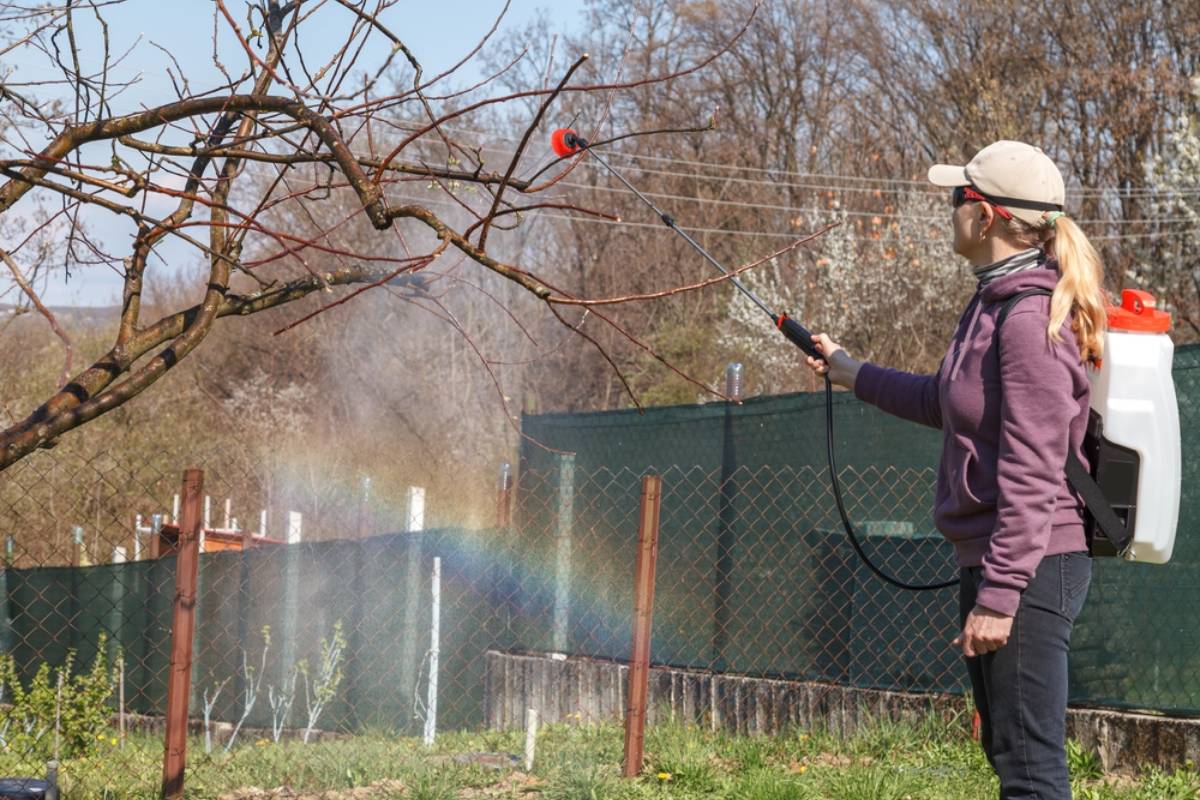
The situation took a troubling turn in the spring when the homeowner and his wife noticed that the leaves on the neighbor-facing sides of the trees were withering, dying, and falling off. The rest of the trees appeared generally healthy, making the damage seem unusually concentrated. The homeowner suspected that herbicide had been sprayed on the branches extending over the neighbor’s property. What made the situation especially suspicious to him was the neighbor’s long history of complaints about the very same trees.
The Damage Seemed to Follow the Property Line
According to the homeowner, the affected branches were concentrated on the side facing the neighbor’s yard. Some foliage later regrew, while dead leaves and damaged material remained visible on other branches. The trees had not simply disappeared overnight, which made the extent and cause of the damage harder to establish at a glance. Still, the pattern left the homeowner wondering whether the earlier threats to kill the trees had finally become more than talk.
The Homeowner Had an Old Email
One detail gave the homeowner a possible starting point for documenting what had happened. He said he had an email from February in which the neighbor complained about the trees, providing a written record of the ongoing dispute. That message did not, by itself, prove that the neighbor had applied herbicide, but it could help establish the history of the disagreement. In a dispute involving damaged plants, the difference between a suspicion and demonstrable evidence can be enormous.
The Trees Were Not Fruit Trees, but They Still Mattered
The three trees were ornamental Callery pear trees rather than the kind of fruit trees gardeners typically grow for a harvest. The homeowner acknowledged that they could be messy and unpleasant-smelling during spring flowering, and he had previously considered replacing them eventually. He also noted that squirrels enjoyed the small fruit they produced, giving the trees at least a little wildlife value. The dispute had therefore become about more than attractive foliage: it involved property, maintenance, and the right to decide what happened to established plants.
The Story Became Bigger Than a Gardening Argument
The homeowner said the conflict had escalated into a wider feud that included what he described as harassment. He also recounted a separate incident in which a rock kicked up by the neighbor’s riding lawn mower struck his face and left a noticeable scar. He reported that the situation had progressed to threats and that he was seeking a restraining order. These were the homeowner’s accounts of the events, and they showed how far the conflict had moved beyond a simple disagreement over fallen leaves.
A Response From a Person Raised the Question of Proof
A response from a person suggested that the homeowner consider contacting relevant environmental authorities and local officials because herbicide use could raise regulatory concerns. Others emphasized that establishing who caused the damage might be difficult without direct evidence. The homeowner had circumstantial details, including the history of complaints and the pattern of damaged foliage, but he acknowledged that he did not have definitive proof of the spraying. That left him facing a frustrating question: how could he protect his trees if he could not conclusively demonstrate what had happened?
An Arborist Could Help Uncover What Happened
Some responses recommended bringing in a certified arborist to examine the trees and assess the damaged branches. A professional might be able to evaluate whether herbicide exposure was a plausible explanation, document the condition of the trees, and recommend appropriate care. Photographs taken over time could also help establish whether the damage was spreading or improving. Although an inspection might not identify the person responsible, it could provide a clearer picture of the trees’ condition and the next steps needed to protect them.
The Property Line Made the Dispute More Complicated
One of the central questions was whether the neighbor could lawfully trim branches that extended into his yard. Responses pointed out that rules governing overhanging branches, herbicide application, and damage to another person’s trees can differ by location. Cutting back branches within one’s own property may be treated differently from applying chemicals that damage a tree rooted on someone else’s land. Because the homeowner lived in Maryland, determining the applicable state and local rules would require advice specific to that jurisdiction.
The Trees Had a Complicated Reputation
There was another twist in the story: Callery pear trees are considered invasive in Maryland, and their sale has been restricted there. Several people responding to the homeowner argued that replacing them with native species might ultimately be the better gardening decision. Suggestions included serviceberry and white fringetree, both of which could offer alternatives better suited to supporting local ecosystems. The trees’ invasive status complicated the discussion, although it did not automatically settle the separate question of whether someone could legally damage another person’s property.
The Homeowner Became Determined to Keep Them
Perhaps the most surprising turn came when the homeowner admitted that the dispute had changed his feelings about the trees. He had originally intended to replace them eventually with native or fruit-bearing alternatives, but the conflict made him more determined to preserve them. He even joked about fertilizing them to help them become the finest examples of their kind. What had once been an ordinary landscaping decision had become a matter of principle, with the trees standing at the center of a personal battle.
The Real Lesson Was About Boundaries in the Garden
The story illustrates how quickly a dispute over leaves, branches, and garden maintenance can spiral into something far more serious. Trees can create genuine headaches for neighboring properties, but disagreements are best addressed through communication, lawful pruning, and professional advice rather than suspected chemical damage. For gardeners facing a similar situation, documenting the plants’ condition, keeping written records, and consulting an arborist or qualified local attorney may be more useful than escalating the conflict. In this case, three ordinary ornamental trees became an unexpected symbol of a much larger neighborhood feud, and the question of who would ultimately prevail remained unresolved.