Homeowner Says Her Neighbor Took a Saw to Her 30-Year-Old Oak Trees While She Was Away, Then Claimed He Was Doing Her a Favor
A homeowner had spent years enjoying two beautiful oak trees growing near the edge of her property. At around 30 years old, the trees had become one of those permanent parts of the landscape that made the yard feel established, shady, and peaceful. Their branches stretched toward the property line, creating a wide canopy that offered welcome relief on hot days.
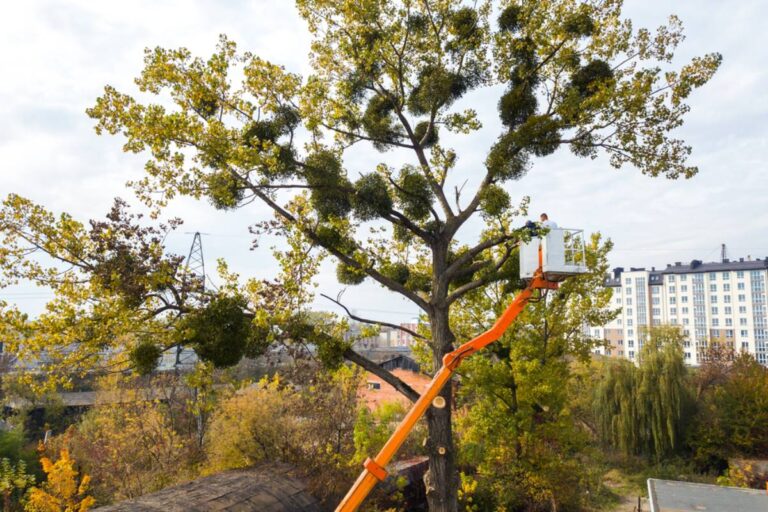
Then she went away on vacation, expecting to return to the same familiar garden. Instead, she came home to two trees that looked almost unrecognizable. Large branches had disappeared, the canopies were uneven, and the carefully balanced shapes of the oaks had been replaced with what looked like a rough, hurried haircut.
The Missing Branches Had a Very Specific Explanation
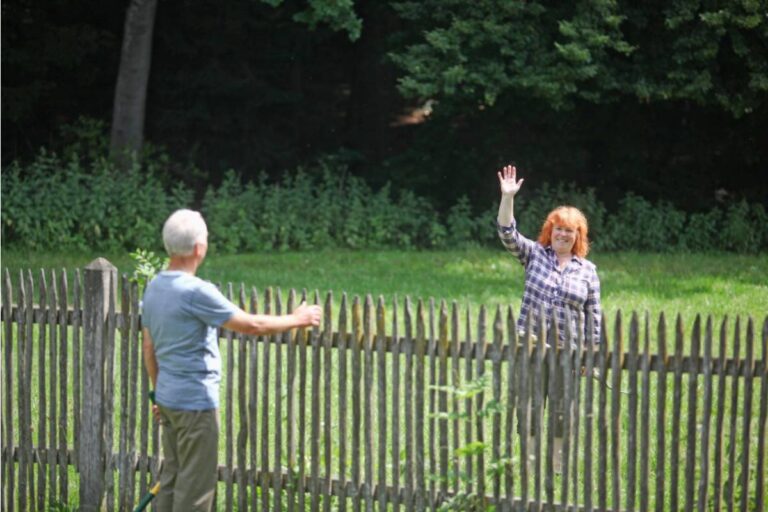
At first, she had no idea who had decided to take a saw to the trees. The answer became obvious when she spotted her neighbor, Phil, working in his own yard nearby. When she asked what had happened, he reportedly answered as though nothing unusual had taken place.
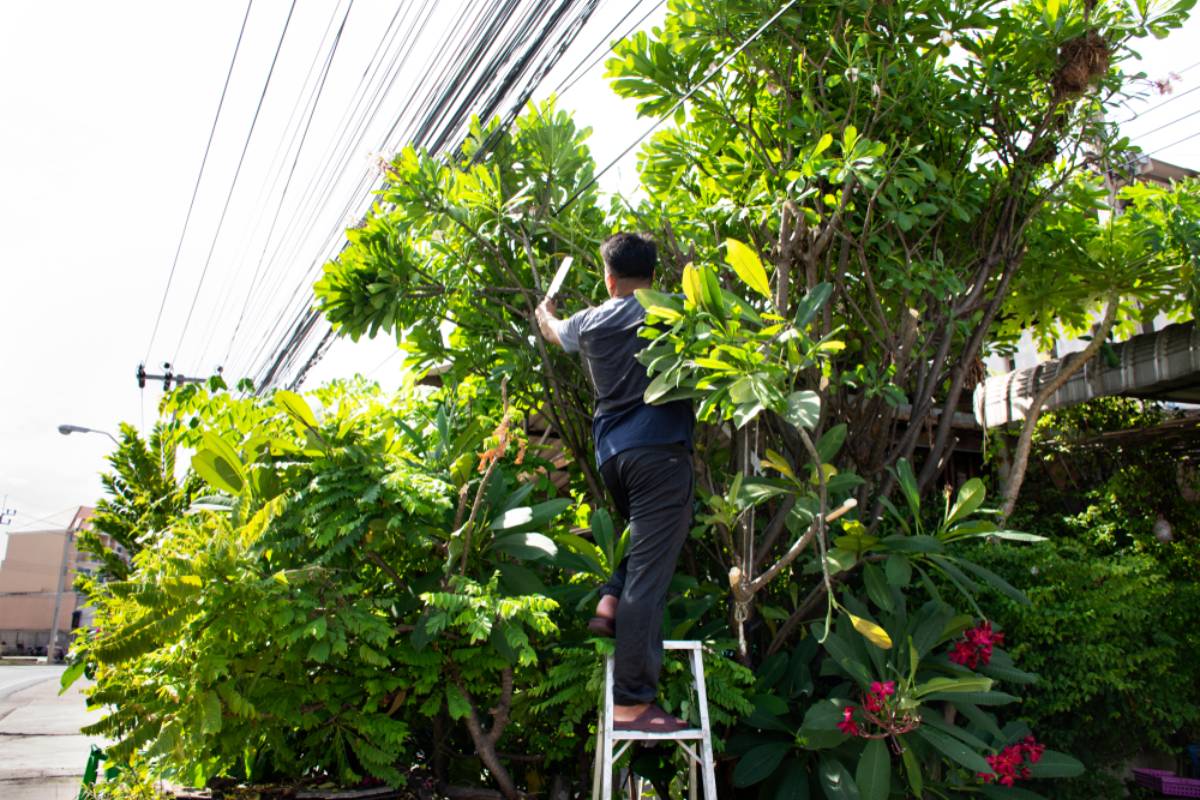
Phil explained that he had trimmed the trees because their branches were hanging over his property. According to him, falling leaves had been landing in his swimming pool, so he had decided to take care of the problem himself.
He Called It a Favor, but She Never Asked for One
The homeowner was stunned by the explanation because nobody had asked Phil to trim the trees. These were mature oaks on her property, and she had not given permission for someone else to reshape them while she was away. What Phil apparently saw as a helpful cleanup looked completely different from her side of the fence.
The phrase that made the situation even stranger was his claim that he had done her a favor. From his perspective, he had removed troublesome branches for free, saving her the effort and expense of hiring someone. From hers, a neighbor had entered the gardening equation without asking and left her prized trees looking damaged.
The Oaks Were More Than Just Shade Trees
Mature trees can become part of a home’s identity, and these oaks had clearly reached that point. They were not a couple of young saplings that could simply be replaced with something similar next spring. Decades of growth had created the broad crowns, thick limbs, and shade that had become part of the property’s character.
That was why the sight of the altered trees was so upsetting. The homeowner had not simply lost a few branches she considered unnecessary. She was now looking at two established garden features that could never instantly be restored by buying replacements from a nursery.
She Brought in an Arborist to See What Had Happened
Rather than relying only on her own opinion, the homeowner called an arborist to inspect the trees. The assessment turned the argument from a simple disagreement between neighbors into something much more serious. The arborist reportedly found that the cuts had been made incorrectly.
The concern was not merely cosmetic. According to the homeowner, the arborist warned that the amount and placement of the cuts could permanently damage the trees, with one of the oaks potentially failing to survive. The assessment and treatment work came with an $800 bill, giving the homeowner another problem to add to the already altered garden.
The Tree Shapes Told Their Own Story
Anyone who has ever watched a tree grow slowly understands how obvious a bad pruning job can become. A healthy canopy has its own rhythm, with branches reaching outward and upward in a way that develops over years. After Phil’s work, the homeowner was left staring at large gaps and an awkward imbalance that could not be hidden.
The damage also created an especially frustrating visual reminder of what had happened. Even standing across the yard, she could see that the trees had been dramatically changed. What had once looked like two natural, mature oaks now looked like a landscape project that had stopped halfway through.
Phil Did Not Seem to Think He Had Done Anything Wrong
When the homeowner showed Phil the arborist’s bill, she asked him to cover the cost of the assessment and treatment. His response reportedly did not include an apology or an offer to help fix the situation. Instead, he repeated the idea that he had been helping by trimming the trees without charging her.
That created the strangest part of the entire dispute. He apparently believed the problem had been solved because fewer branches now crossed toward his property, while she believed the attempt to solve his pool problem had created a much larger gardening problem on her side of the fence.
Then the Conversation Turned Toward Money
Once the homeowner mentioned seeking compensation for the damage, the stakes became considerably higher. She said her lawyer had explained that the potential value of mature damaged trees could reach thousands of dollars, depending on the circumstances. Suddenly, those missing branches were no longer just a backyard argument.
Phil reportedly responded with a threat of his own. He said that if she sued him over the trees, he would pursue her for all the years of leaves that had fallen into his pool.
The Leaves Became the Unexpected Twist
That threat gave the story an almost absurd second chapter. For years, the oaks had naturally dropped leaves, just as mature deciduous trees do, and those leaves sometimes ended up in Phil’s pool. He apparently viewed that long-running cleanup problem as something that could somehow become part of the dispute over the pruning.
The homeowner was understandably unsure about what to make of the threat. She had started the situation by discovering damaged trees after returning from vacation, and now the argument had expanded into a dispute over decades of falling leaves. What sounded like a simple complaint about pool maintenance had suddenly collided with the much more complicated world of mature landscaping and property boundaries.
A Person Shared His Own Tree-and-Garden Experience
A person shared his story about a completely different situation involving branches that crossed over a property line. In his case, he said a branch hanging into his yard had created a genuine safety problem, and he first documented the situation before checking with local authorities about what he was allowed to do. He eventually had only the portion affecting his property addressed instead of cutting into the tree without a plan.
His story took an even stranger turn after that. He said a dispute followed in which his vegetable garden and another mature plant were damaged, leaving him to deal with a second gardening headache after the original branch issue had already been settled. The contrast was hard to miss because his experience showed how quickly one boundary dispute involving trees can spiral into a much larger backyard feud.
Another Response From a Person Focused on Tree Health
A response from a person pointed out the distinction between dealing with branches that cross a property line and damaging the health of the entire tree. That distinction became especially relevant in the homeowner’s story because the arborist had reportedly expressed concerns about the severity of the cuts. The argument was no longer simply about whether a branch had extended too far.
It was about what happened after someone decided to correct the problem themselves. Even when a branch seems inconvenient, removing too much from a mature tree can create consequences that are very different from simply clearing a small section near a fence. In this case, the homeowner believed the photographs and arborist’s assessment told a much more troubling story than Phil’s description of a free favor.
The Ongoing Leaf Problem Suddenly Seemed Very Small
There was an obvious irony sitting right in the middle of the dispute. Phil had complained about leaves getting into his pool, yet the homeowner was now facing the possibility of losing part of the canopy that had shaded her yard for decades. One side of the fence was dealing with a seasonal cleanup annoyance, while the other side was dealing with potentially permanent damage to living trees.
That contrast helped explain why the homeowner was so upset. Leaves can be scooped, filtered, blown away, or cleaned from a pool throughout the year. A 30-year-old oak cannot be replaced overnight with a mature tree that provides the same canopy, shape, shade, and presence.
The Garden Had Become a Property-Line Standoff
What started with two oaks near a boundary had now turned the fence line into the center of a neighborhood dispute. Every missing branch served as a reminder that one person’s idea of maintenance can look completely different from another person’s idea of destruction. The trees themselves had become the silent evidence of the disagreement.
And that was perhaps the most frustrating part for the homeowner. The oaks had been quietly growing for years without anyone needing to interfere with them, until a neighbor decided the branches were becoming his problem too. By the time she returned from vacation, the garden had already changed, and there was no simple way to put the removed limbs back.
She Was Left Wondering What Should Happen Next
The homeowner said she was now considering legal action over the damaged trees while also worrying about Phil’s threat to pursue her over the fallen leaves. She had already paid $800 for professional assessment and treatment, and the possibility of much greater damage made the situation feel increasingly serious. For someone who simply wanted to enjoy her garden, this had become an unexpectedly expensive neighbor conflict.
The final twist was that the original problem had never really been the trees themselves. It was the fact that two properties shared a boundary, a canopy, and a collection of falling leaves, but apparently did not share the same understanding of where one neighbor’s responsibility ended and the other’s began. After three decades of quietly growing beside the fence, the oaks had suddenly become the most controversial plants in the neighborhood.