Homeowner Says Her Neighbor’s 85-Foot Tree Turned Every Storm Into a Cleanup Nightmare, Then She Learned Who Was Expected to Handle the Mess
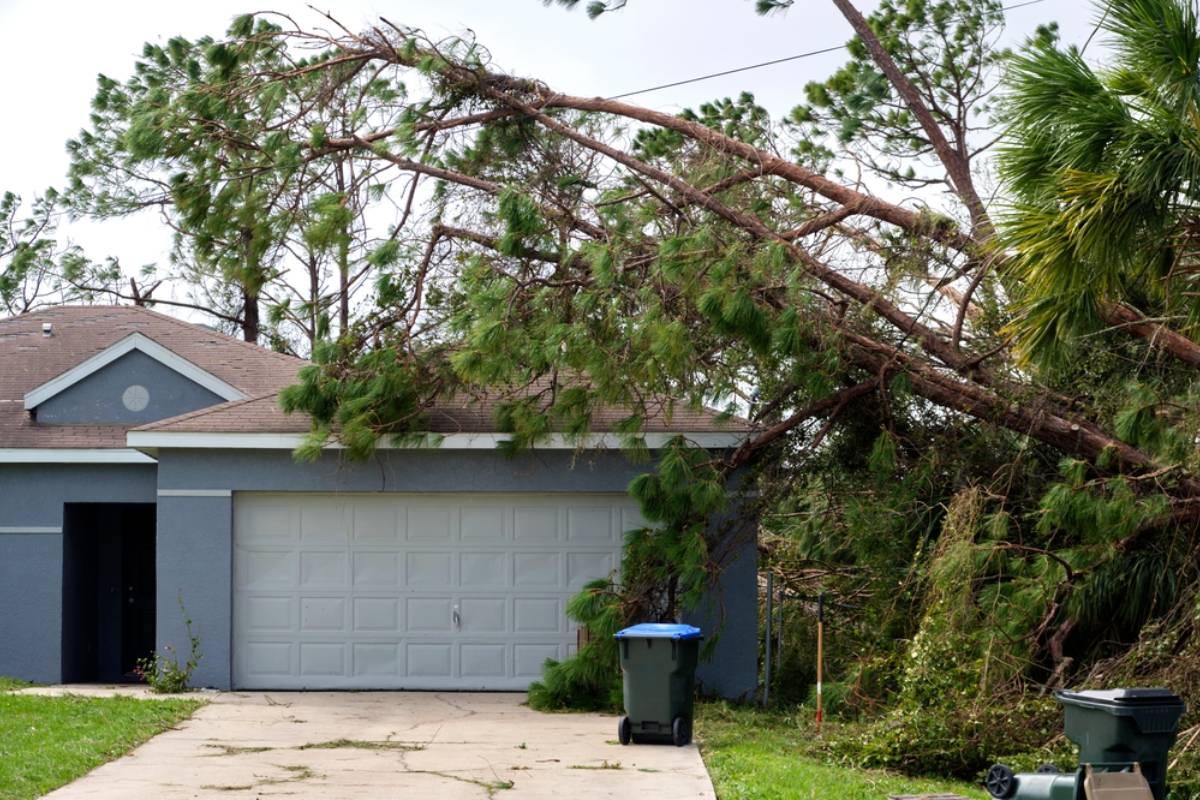
For nearly a decade, a homeowner in California watched an enormous 85-foot tree next door become a regular guest on her property. Leaves, fallen fruit, cones, and bits of debris would blow across the boundary whenever the wind picked up or a storm rolled through. At first, it probably felt like one of those annoying but manageable parts of living beside a mature tree.
Then the Cleanup Became a Routine
The homeowner said the neighbor’s gardener had occasionally come over to clear the driveway, but the rest of the property was left for her to handle. Over time, what began as an occasional chore turned into a familiar part of storm cleanup. Every windy day seemed to bring another round of sweeping, gathering, and hauling away tree debris.
The Tree Was No Longer Just Dropping Leaves
Then came the more serious problem. According to the homeowner, the tree’s roots had damaged a planter wall and created a four- to five-inch gap between the planter and the driveway. Suddenly, this was no longer just a story about leaves covering a yard; the homeowner was worried the roots might eventually push up the concrete driveway itself.
And Then There Was the Noise
The falling debris had another unexpected consequence. During storms, the tree’s cone-like fruits would crash onto the roof hard enough to wake the homeowners during the night. What looked peaceful from a distance had apparently become much less peaceful after dark.
The Homeowner Decided to Take Matters Into Her Own Hands
After years of dealing with the mess, the homeowner planned to hire a licensed and insured gardener to clean up the property. But there was a catch: she wanted the neighbor to reimburse her for the cost. That raised a bigger question about where responsibility actually begins and ends when a giant tree crosses an invisible property line.
Could the Cleanup Bill Become Someone Else’s Problem?
The homeowner wondered whether small claims court could force the neighbor to repay the cleanup expenses. She also wanted the neighbor to address the overgrown tree and its roots, but said the neighbor had refused to trim the tree, remove it, or deal with the roots pressing toward the driveway. What started as a gardening nuisance was suddenly beginning to sound like a property dispute.
One Person Said Fallen Debris Usually Stays With the Property Owner
A response from a person offered an explanation that probably wasn’t the answer the homeowner hoped to hear. They said that, in many places, ordinary tree debris such as leaves and fallen material is generally considered the responsibility of the property owner who receives it. They also noted that there can be different rules when a tree is genuinely dangerous and the owner has been warned ahead of time.
Another Person Drew a Line Between Debris and Danger
Another person explained that leaves, fruit, and dead branches can all fall into the category of ordinary tree debris. They said the situation can change when a tree is dead or in immediate danger of falling, especially if the owner has already been put on notice. In that case, the issue may become much more serious than simply cleaning up after a storm.
The Roots Created a Different Kind of Problem
The responses also pointed out that branches and roots can raise separate questions from falling leaves. One person suggested that a neighboring property owner may have rights to trim branches extending onto their property, provided the trimming is done properly and does not unnecessarily damage the tree. That distinction became important because the homeowner was dealing with both branches overhead and roots underground.
Then Someone Questioned the Bigger Picture
A particularly interesting response suggested that the homeowner should appreciate the fact that the gardener had already been cleaning the driveway. But the same person also asked a pointed question: was the homeowner really asking the neighbor to remove an 85-foot tree? Suddenly, the story had a new twist, because the size of the tree made the dispute feel much bigger than a pile of leaves.
The Invisible Property Line Became the Real Battleground
Trees do not care much about fences, survey lines, or whose driveway is on which side. Their branches reach outward, their roots spread underground, and their debris can travel wherever the wind decides to take it. That is what made this particular gardening dispute so tricky: the tree belonged to one property, but parts of the problem kept appearing on another.
What Looked Like a Gardening Chore Turned Into a Legal Puzzle
The homeowner had spent years cleaning up after storms while watching the tree damage the surrounding landscape. She was now considering professional cleanup and even small claims court, hoping to finally make the neighbor share the cost. Yet the responses suggested that the law may not divide responsibility as neatly as frustration does.
And the Biggest Question Was Still Hanging Over the Yard
Was the homeowner simply dealing with the ordinary consequences of living beside a giant mature tree, or had the roots and falling debris crossed into a more serious property problem? That answer could depend on details such as the tree’s condition, previous warnings, local rules, and exactly how the damage occurred. For now, the 85-foot giant remained exactly where it had always been—towering over the fence and waiting for the next storm to decide where everything would land.