Homeowner Says Her Neighbors Asked to Trim One Backyard Tree, Then She Found Them Cutting the Front Hedge While She Was Watching
A person shared his story about years of strange behavior from the neighbors next door, much of it involving the garden. What began as occasional requests to trim a few branches gradually turned into something far more intrusive. The homeowners tried to stay reasonable, believing a little patience was better than a long-running feud.
The first serious incident happened while the family was away from home. The neighbors had asked whether they could trim a tree, and the request sounded harmless enough at the time. When the homeowners returned, however, they discovered that the tree had been cut down rather than simply trimmed.
Choosing Not to Escalate
The family was furious, but they decided not to turn the incident into an all-out neighborhood war. They cleaned up the mess, tried to put the disappointment behind them, and carried on with their lives. For a while, it seemed possible that the lesson had finally been learned.
That hope lasted longer than expected because nothing dramatic happened for quite some time. The garden recovered, the household settled back into its routine, and the neighbors remained mostly at a distance. Then another tree became the center of attention.
Another Request Appears
This time, the neighbors approached the homeowners about trimming a different tree in the rear garden. Remembering what had happened before, the homeowners were understandably cautious about agreeing to anything. The wife eventually gave permission, but only on the condition that the work would happen while she was present.
That condition seemed perfectly reasonable because it gave everyone a clear boundary. The neighbors could trim the agreed tree, and the homeowners could make sure nothing else was touched. For once, the situation appeared simple and controlled.
The Garden Surprise
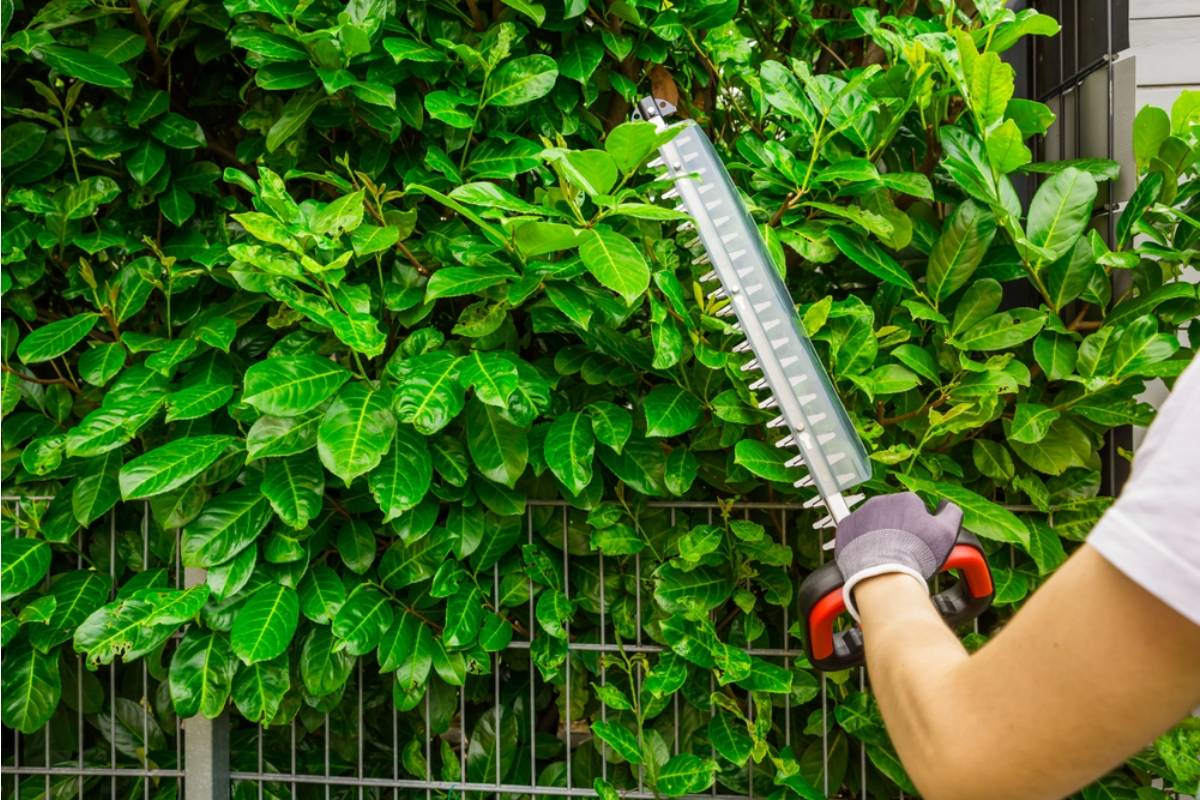
Instead of waiting for the agreed arrangement, the neighbors were suddenly discovered in the front garden. They had apparently decided that the permission to trim one tree also meant they could start cutting other branches and hacking into the hedge. The wife found them there unexpectedly and immediately confronted them.
The mood changed almost instantly. What should have been a small gardening task became a heated argument about what they were apparently allowed to do. The neighbors insisted they were only trying to help, while the homeowners stared at the damage appearing in front of them.
The Hedge Takes the Hit
The front hedge was not some accidental casualty that nobody would notice. It had been deliberately cut, along with branches from trees that had not been included in the agreement. Years of careful gardening suddenly looked different because someone else had taken pruning shears into their hands.
For the homeowners, that was the moment the issue stopped feeling like an innocent misunderstanding. Their garden was private property, and they had specifically explained what work was permitted. Yet the neighbors seemed determined to interpret permission as an open invitation.
The Argument Gets Worse
When challenged, the neighbors did not quietly apologize and put the tools down. Instead, the confrontation became aggressive, with threats and angry claims flying back and forth. The homeowners were left wondering how a simple request about trimming a tree had turned into a confrontation in their own front garden.
The most frustrating part was that the neighbors continued presenting themselves as helpful rather than admitting they had crossed a boundary. According to the person who shared the story, that attitude made the incident even harder to accept. It was difficult to argue about intent when the physical evidence was sitting in the hedge.
Looking for Help
The homeowners reported what had happened and hoped the authorities would treat the situation seriously. They believed the repeated unauthorized cutting, along with the confrontation, deserved more than a casual dismissal. Instead, they were told that pursuing the matter would probably lead nowhere.
That response left the family feeling trapped. They had photographs, a history of previous incidents, and another damaged section of garden, yet they still felt powerless. A response from a person who had dealt with similar behavior suggested that the key was to treat every future incident as part of a documented pattern.
The Pattern Becomes Clear
That advice changed the way the homeowners looked at everything that had happened before. The old tree being removed while they were away no longer seemed like a one-off mistake. The new hedge damage suddenly looked like another chapter in a pattern of boundary-crossing behavior.
The person who shared the story realized that memories alone might not be enough to protect the garden. Dates, photographs, messages, and descriptions of exactly what had been permitted could become much more important. What had once been dismissed as annoying neighbor behavior was beginning to resemble a long-running dispute.
The Garden Needs Protection
One practical suggestion from a person who had experienced something similar was to make physical access more difficult. Fences, gates, and clearly defined boundaries could prevent someone from casually wandering into the garden with pruning equipment. The idea was less dramatic than retaliation, but considerably more effective.
The homeowners began thinking about the garden differently. A fence was no longer just a decorative border between properties; it could become a very obvious line that nobody could pretend to misunderstand. Suddenly, the best defense for the plants might have nothing to do with plants at all.
Cameras Enter the Picture
Another response from a person recommended installing cameras and making it unmistakably clear that unauthorized access would not be tolerated. The suggestion sounded almost comically serious for a dispute involving hedges and tree branches. Yet after repeated incidents, the homeowners could understand why evidence mattered.
The garden had already become a place where explanations changed depending on who was telling the story. A camera would not argue, exaggerate, forget, or reinterpret what happened. It would simply record what happened next.
The Temptation to Fight Back
The homeowners admitted that retaliation was becoming increasingly tempting. After watching someone damage their garden and then insist they were helping, the idea of giving them a taste of their own behavior was understandably appealing. Several responses from people even suggested petty ways to annoy the neighbors without crossing legal lines.
But there was an obvious problem with that plan. Deliberately damaging someone else’s property could turn a frustrating garden dispute into an even larger legal and personal mess. The homeowners realized that winning an emotional battle for five minutes could mean losing the larger battle for peace.
A Different Kind of Revenge
Instead of attacking the neighbors’ garden, the homeowners began considering something much less satisfying but far more strategic. They could document everything, improve the boundaries, restrict access, and stop giving vague permission that could later be twisted into something broader. The garden could become boring again, which suddenly sounded like the greatest victory imaginable.
That approach also removed the neighbors’ favorite excuse: confusion. There would be no uncertainty about which plants could be trimmed, who was allowed through the gate, or when permission had been granted. Every future request could be answered clearly, leaving much less room for someone to claim they were simply being helpful.
The Twist No One Expected
The strangest twist was that the homeowners had originally tried to avoid conflict by being accommodating. They had allowed a limited amount of gardening work because they wanted to maintain a civil relationship with the people living next door. Their generosity, however, appeared to be interpreted as weakness.
In the end, the garden became a lesson in boundaries rather than horticulture. The biggest problem was never really the hedge or the branches themselves; it was the belief that someone else could decide what happened on another person’s property. The homeowners finally understood that sometimes protecting a garden means guarding the line around it just as carefully as the plants growing inside it.
When the Garden Finally Becomes Peaceful
The homeowners were left with damaged plants, lingering anger, and a much clearer understanding of what needed to change. They could not control whether their neighbors behaved reasonably, but they could control how much access those neighbors had to the garden. That realization turned a frustrating situation into something more manageable.
The final lesson was surprisingly simple. A garden can recover from a badly cut hedge, a ruined branch, or even the loss of a tree, but repeated boundary violations become much harder to repair. As the person who shared his story learned, sometimes the healthiest thing you can grow in a difficult garden is a very firm boundary.