Homeowner Says Her Neighbor’s New Deck Is Ruining Her Garden, Now Plants That Thrived for Years Are Suddenly Struggling
For years, everything in her backyard worked exactly the way it should.
The sunlight hit at the right angle. Her vegetables produced consistently. Even her more delicate plants seemed to thrive without much effort.
Then her neighbor built a new deck.
At first, it didn’t seem like a big deal. Construction came and went, and aside from the noise, nothing felt different right away. But within a few weeks, she started noticing something she couldn’t explain.
Her plants were changing.
The same garden beds that had been reliable for years were suddenly underperforming. Leaves looked slightly dull. Growth slowed. Some plants leaned awkwardly, almost like they were searching for something.
That’s when she realized — the sunlight had changed.
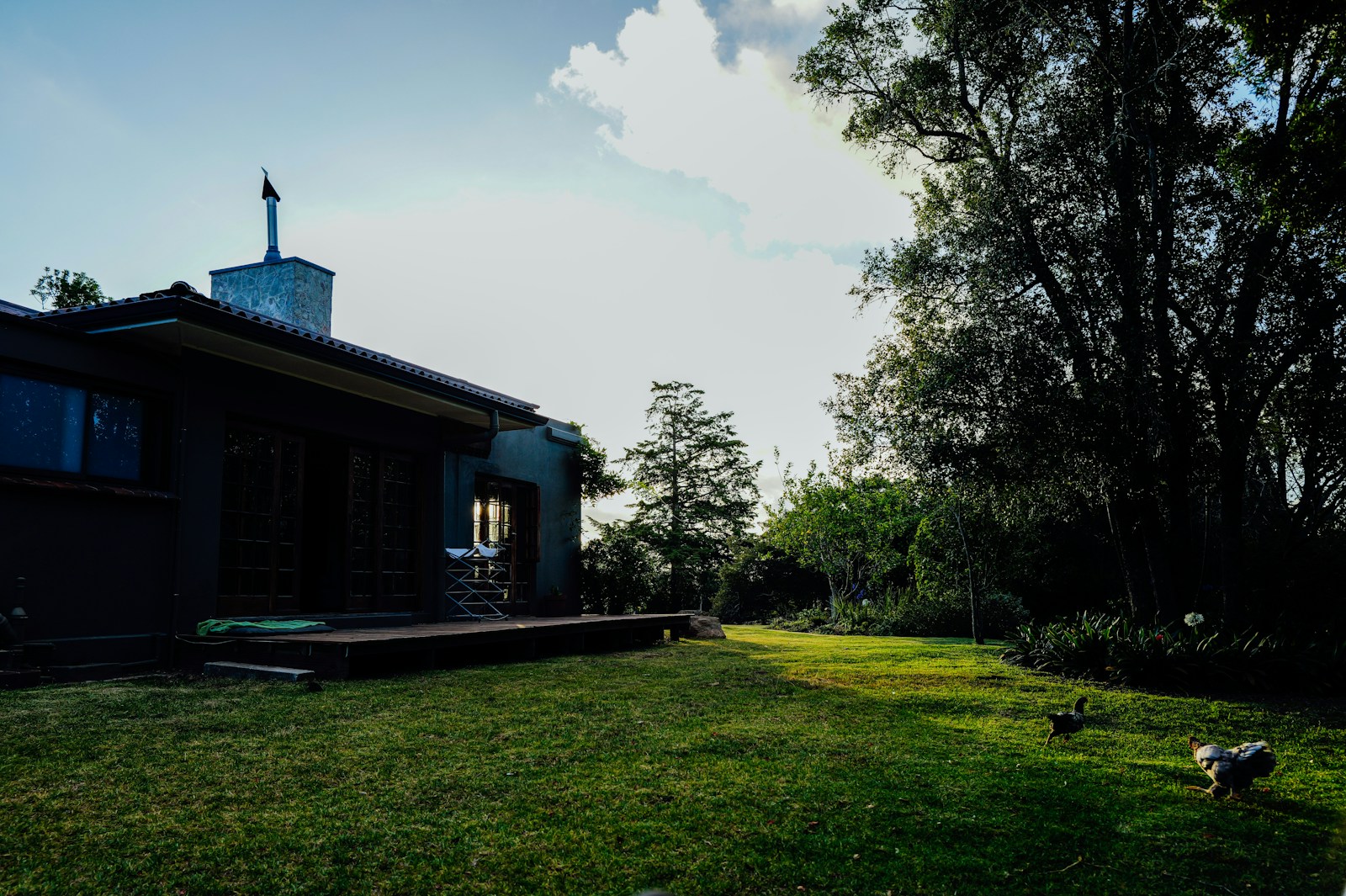
The new deck cast a shadow across part of her yard during key hours of the day. It wasn’t full shade, and it wasn’t obvious unless you were paying attention. But it was enough to disrupt the balance her garden had depended on.
This is a situation more homeowners are quietly running into, especially as neighborhoods become denser and outdoor renovations become more common.
What makes it frustrating is that nothing in the garden itself is technically “wrong.”
The soil hasn’t changed. Watering habits are the same. Fertilizer routines are consistent.
But light — one of the most critical factors in plant health — has shifted just enough to create problems.
Even a reduction of a couple of hours of direct sunlight can impact:
- Flower production
- Vegetable yields
- Overall plant strength
- Root development
Plants that once thrived in full sun conditions can start behaving unpredictably when that light is reduced.
In her case, tomatoes that used to produce heavily began growing taller but weaker. Leafy greens slowed down. Flowers bloomed later, and some didn’t bloom at all.
What’s difficult is that this kind of change often goes unnoticed at first.
Because it’s gradual, many gardeners assume it’s a watering issue, a soil problem, or even a seasonal fluctuation. By the time they realize it’s a light issue, weeks of growth have already been affected.
Some gardeners in similar situations have started adapting by:
- Moving container plants into better light zones
- Replanting certain crops in different areas of the yard
- Switching to more shade-tolerant plants
- Trimming surrounding vegetation to maximize available light
But for many, especially those with established garden beds, these changes aren’t easy.
There’s also the emotional side of it.
Gardens aren’t just functional — they’re personal. They represent time, effort, and consistency. When something outside your control changes that, it can feel frustrating in a way that’s hard to explain.
In some cases, homeowners have even said their outdoor space no longer “feels the same.”
And that’s exactly what this situation highlights.
A garden isn’t just about what you plant — it’s about the environment around it. And when that environment shifts, even slightly, the effects can ripple through everything.