Homeowner Says Her Neighbor’s Storm-Damaged Tree Fell Across Her Driveway, Then Asked Her to Pay for the Tree’s Lost Beauty
A person shared a story about a troublesome neighbor, a damaged car, and one storm that somehow turned a fallen tree branch into a completely unexpected argument. What started as an ordinary case of bad weather quickly became a bizarre dispute over who should pay for what. The strangest part was not even the damaged bumper, but the bill the homeowner allegedly received for a tree she never touched.
The homeowner lived in a townhouse and had already learned that one particular neighbor was fond of asking for favors. Then, during a heavy storm, a large branch snapped from the neighbor’s tree and ended up across the homeowner’s driveway. When she returned home, the branch had damaged her car, setting the stage for a conversation neither side expected.
The Storm Turns a Quiet Driveway Into a Mess
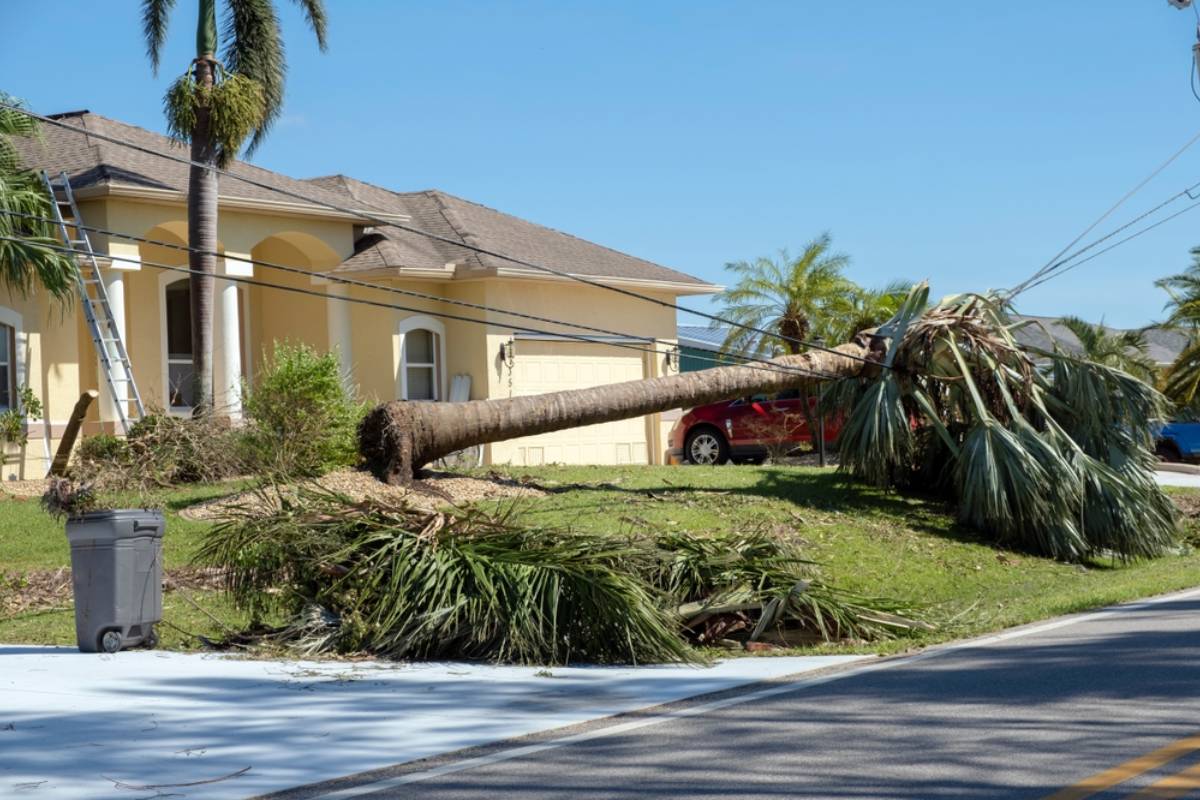
The storm had been intense enough to send branches flying, and one particularly large limb came crashing down where the homeowner did not want it. The branch came from the neighbor’s tree and landed across the driveway, creating an obstacle and leaving the car with bumper damage. Suddenly, a normal trip home had turned into a cleanup problem and an insurance headache.
The homeowner contacted her neighbor about what had happened, expecting a straightforward conversation about the fallen branch. According to the story, the neighbor acknowledged that the branch had come from her tree and initially said she would cover the repair. For a brief moment, it sounded as though the problem might be settled before it became something much bigger.
The Neighbor First Offered to Cover the Damage
That initial response seemed surprisingly reasonable, especially considering how much trouble a fallen branch can cause. The homeowner says her neighbor agreed to pay for the car repair after hearing what happened. With that promise on the table, there was little reason to expect an argument over the tree itself.
But the calm did not last very long. By the following day, the neighbor had apparently reconsidered her position and began arguing that the unusually strong wind was to blame. Instead of treating the situation as something she should pay for, she reportedly told the homeowner to use her own insurance.
Then the Wind Suddenly Became the Main Suspect
The neighbor’s explanation centered on the storm, with the argument that the wind had been unusually strong and that the falling branch was therefore not really her fault. That shifted the conversation from a simple neighbor-to-neighbor payment into a question about weather, responsibility, and insurance. The homeowner was now dealing with a very different version of the story than the one she had heard the day before.
Responses from people familiar with storm-related tree damage pointed out that responsibility can depend on the circumstances and local rules. Some explained that when a healthy tree is damaged by an unexpected storm, insurance may become part of the process rather than either homeowner simply being blamed. That possibility made the dispute considerably more complicated than it first appeared.
Somehow, the Damaged Tree Was Now Worth Money
Then came the twist that left the homeowner especially stunned. The neighbor allegedly claimed that the tree itself had lost potential value because it was ornamental and had aesthetic worth. In other words, while the homeowner was worrying about a damaged car, the neighbor was asking her to consider the financial value of a damaged landscape feature.
The homeowner could not understand why she would owe money for a tree she never harmed. The branch had fallen during the storm, and she had not asked for it to break, land on the driveway, or damage anything. Yet the conversation had somehow shifted from repairing a car to compensating someone for the beauty of their garden tree.
The Cleanup Bill Makes the Situation Even Stranger
As though the tree-value argument were not enough, the neighbor also insisted that the homeowner was responsible for the cleanup. This meant the homeowner was apparently being asked to deal with the mess created when the neighbor’s branch landed on her side of the property. What had started as a storm cleanup was quickly turning into a list of unexpected obligations.
Several responses from people with experience around tree damage suggested that property lines can matter when cleanup is involved. One person explained that fallen branches on a person’s own property may become that person’s problem to remove, while another noted that the tree owner is generally responsible for the portion remaining on their side. The details, however, can vary depending on location and the condition of the tree.
The Homeowner Starts Asking Questions
Rather than immediately giving in, the homeowner began asking around about what normally happens in situations like this. She found information suggesting that storm-related tree damage can be handled differently depending on whether the tree had been healthy, visibly dangerous, or previously identified as a risk. That left her wondering whether she should simply let insurance companies sort everything out.
The uncertainty was frustrating because the neighbor had already changed her position once. The homeowner did not want to get pulled into a drawn-out fight, but she also did not want to agree to costs simply because the other person was demanding them. What should have been a simple discussion after a storm was beginning to feel like a neighborhood standoff.
People Point Out One Important Detail About Trees
One response from a person claiming professional experience with trees highlighted a major distinction: a storm can be treated differently from a situation where a tree was already known to be hazardous. If the owner had been warned beforehand about serious defects and failed to address them, the circumstances could potentially be viewed differently. Without that kind of warning, some people explained that unexpected storm damage may be handled through insurance instead.
That detail gave the story another layer because nobody seemed to know whether the neighbor’s tree had been considered dangerous before it came down. A healthy-looking tree can still lose a huge branch during severe weather, especially when strong winds are involved. The difference between an unpredictable storm event and a preventable tree problem could matter enormously.
What About the Tree Owner’s Own Property?
Another response from a person raised a practical point that had nothing to do with the damaged bumper. If a branch from a tree falls across several properties, different portions of the cleanup may be handled according to where the debris lands. In that view, the homeowner would not automatically become responsible for repairing or maintaining the tree itself simply because part of it crossed onto her property.
That distinction seemed important because the neighbor was asking for compensation connected to her own tree. The homeowner had never hired anyone to cut it, trim it, damage it, or remove it. She was simply standing in the path of what happened after the storm.
The Homeowners’ Group Gets Pulled Into the Drama
Instead of remaining a private disagreement, the conflict eventually spilled into the neighborhood homeowners’ group. The homeowner says the neighbor began telling others that she was being bullied and that her reputation was being damaged. Suddenly, a fallen branch had become a social dispute involving people who were not even there when the storm happened.
That escalation made the homeowner even more hesitant about what to do next. Paying simply to make the conflict disappear might end the argument, but it could also create new expectations the next time something went wrong. Standing firm, meanwhile, risked making an already tense relationship even more uncomfortable.
Then Someone Suggested Looking at the Tree Differently
A particularly useful response from a person with arborist experience focused on the condition of the tree before the storm. The suggestion was essentially that evidence of an existing problem could matter, especially if the owner had previously been warned that the tree was dangerous. That turned attention away from the argument happening after the branch fell and toward what anyone might have known beforehand.
This is where the story becomes almost like a garden mystery. Was the tree simply unlucky during one powerful storm, or had there been warning signs hiding in plain sight? The answer could dramatically change the conversation, which is why several people stressed documenting the condition of the tree and letting the appropriate insurance or professional process handle the issue.
Other Homeowners Had Seen Similar Storm Disputes
The story also drew comparisons to other situations where branches and whole trees caused damage during severe weather. Some people described having to file claims through their own insurance after neighboring trees fell onto roofs, garages, or other property. Others explained that responsibility can differ when a tree was being cut, was visibly dying, or had already been identified as dangerous.
Those examples did not produce one universal answer, but they did reveal the same pattern over and over. Trees do not care about property lines, insurance policies, or neighborhood friendships when a major storm arrives. Once a massive branch is lying across a driveway, everyone involved suddenly has to figure out where responsibility begins and ends.
The Most Baffling Part Was Still the Ornamental Value
For the homeowner, however, the most memorable part of the whole incident was not the insurance discussion. It was the idea that she might owe compensation because the damaged tree had ornamental value. After all, a beautiful garden tree can be valuable to a homeowner, but that does not automatically explain why a neighbor whose car was damaged should pay for its loss.
The demand transformed an ordinary storm story into something much stranger. Instead of apologizing for the inconvenience and sorting out the cleanup, the neighbor was allegedly asking the homeowner to think about the tree’s beauty as a financial loss. That was the moment the homeowner realized this was no longer just about a branch in a driveway.
A Simple Storm Creates a Bigger Neighborhood Problem
The homeowner said she did not want a feud with her neighbor, which is understandable when both people live only a few steps apart. Townhouse communities can make even small disputes feel enormous because there is no easy way to disappear after an argument. Every shared walkway, driveway, and garden suddenly becomes part of the story.
At the same time, giving in purely to avoid awkwardness could make the situation even harder later. The homeowner was trying to find a middle ground between protecting herself and preventing the disagreement from becoming a permanent neighborhood grudge. The fallen branch had already caused enough damage without taking a friendship-free garden rivalry along with it.
One Response Cut Through the Entire Argument
Among all the suggestions, one response from a person summed up the emotional heart of the situation: the homeowner might have legitimate insurance questions, but that does not automatically mean she should pay for damage to the neighbor’s tree. That distinction helped separate two completely different issues that had become tangled together. One concerned the damaged car and the storm, while the other concerned the neighbor’s own tree.
That separation may ultimately be the key to making sense of the whole mess. The storm happened, the branch fell, the car was damaged, and the tree was affected too. Figuring out who pays for each consequence is a very different question from simply deciding who feels the most upset.
The Garden May Be Beautiful, But the Boundary Still Matters
The story is a reminder that gardens can create all kinds of neighborhood tension, especially when large trees stretch across property lines. A tree can provide shade, flowers, privacy, and character for years before one violent storm suddenly turns it into a source of conflict. Once branches start crossing fences and landing on cars, the beauty of the landscape can quickly disappear behind practical questions.
For the homeowner, the biggest challenge was deciding how firmly to respond without turning the neighborhood into a battleground. The strangest part was that she never planted the tree, never damaged the tree, and never asked for the branch to fall. Yet by the end of the story, she was being asked to think about paying for both the consequences of the storm and the beauty that the tree was supposed to provide.