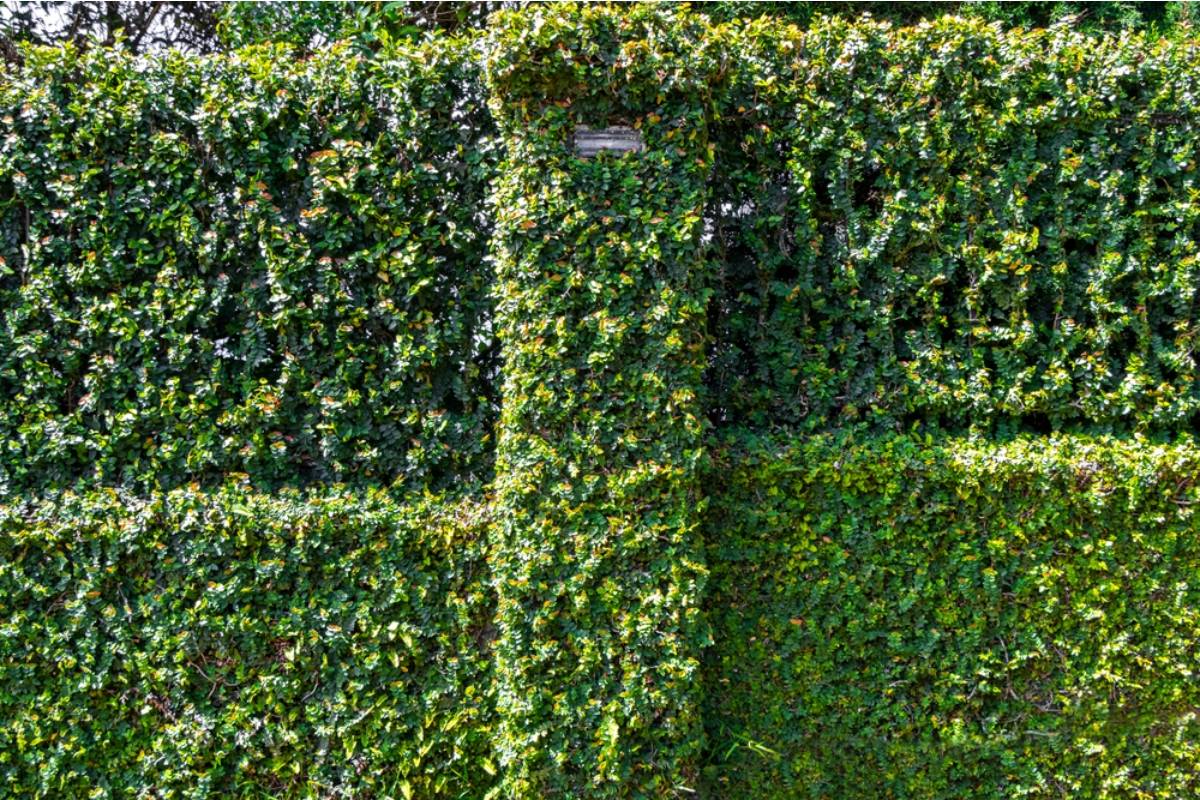
Homeowner Says Her New Neighbor Wanted a Privacy Hedge Along Their Shared Fence, Then Refused to Pay a Cent While Already Using Her Yard for a Cypress Tree
A person shared his story shortly after buying a house in Los Angeles, expecting the usual collection of new-homeowner tasks like unpacking boxes, figuring out repairs, and learning the quirks of the property.
Instead, one of the first surprises came from a neighbor who had a landscaping request that would cost the new homeowner money. The neighbor wanted a hedge planted along the fence they shared so both properties would have more privacy. At first, the request sounded harmless, but the details quickly made it much less appealing.
The neighbor apparently wanted the new homeowner to cover the entire cost of purchasing and installing the hedge. He also expected the homeowner to handle the ongoing watering, despite Los Angeles being a place where water expenses can make landscaping decisions considerably more complicated.
The homeowner didn’t hate the idea of having more privacy, but he couldn’t understand why the entire project was suddenly his responsibility. That was especially confusing because the neighbor already paid for a hedge along the other side of his property.
The Hedge Was Supposed to Benefit Everyone
The proposed hedge would sit along the shared fence and provide privacy for both homes, which made the request sound like something that could reasonably be discussed between two property owners.
The homeowner wasn’t completely opposed to the idea and admitted that the extra privacy would actually be nice. However, liking the result wasn’t the same as agreeing to finance the entire project. He felt that if the neighbor wanted the hedge badly enough to request it, contributing to the cost would have been the obvious compromise.
The homeowner eventually asked whether they could split the expense between them. According to the story, the neighbor refused to contribute but continued suggesting that the homeowner install the hedge anyway. That turned a simple landscaping conversation into something that felt considerably more one-sided.
A response from a person summed up the general sentiment by pointing out that it was reasonable for the neighbor to ask, but equally reasonable for the homeowner to say no.
The Water Bill Made the Idea Even Less Attractive
The cost of the hedge wasn’t the only concern sitting in the homeowner’s mind. Living in Los Angeles meant that watering a row of plants wasn’t exactly a free afterthought, especially for someone who had just purchased a house and was still figuring out his own expenses. A hedge might look attractive at first, but keeping it healthy could turn the project into a recurring bill. The homeowner therefore wasn’t simply refusing to spend money on principle.
He was also considering whether he even wanted to take on another landscaping obligation. A response from a person suggested that the homeowner could simply explain that conserving water was more important to him than adding a hedge.
Another person pointed out that water-efficient plants could eventually reduce the burden, but that still wouldn’t change the fact that the homeowner should be the one deciding whether the project belonged on his property. The more people weighed in, the clearer the distinction became between wanting privacy and being responsible for someone else’s preferred solution.
The Neighbor Had Already Paid for Another Hedge
One detail made the neighbor’s request particularly strange. The neighbor apparently already had a hedge on the other side of his property and was paying for it himself where he shared a fence with someone else. From his perspective, perhaps he saw another hedge as simply completing the privacy around his home. From the new homeowner’s perspective, however, the arrangement seemed different because the neighbor wasn’t offering to share the new expense.
The homeowner couldn’t understand why the neighbor’s existing landscaping arrangement should somehow create an obligation for him. A response from a person put it bluntly, saying that if the neighbor wanted the hedge, he could plant one on his own side at his own expense. Another response suggested that if the homeowner personally wanted a hedge, he should choose the plants and design himself rather than allowing the neighbor to dictate the project. That distinction became one of the strongest themes in the discussion.
The Homeowner Wasn’t Sure If He Was Overreacting
Despite being bothered, the homeowner wasn’t immediately convinced that the neighbor’s behavior was as unreasonable as it felt. He explained that he was mainly trying to determine whether his reaction was justified and wanted other perspectives before deciding how to handle things. That hesitation made sense because the neighbor wasn’t physically forcing him to install anything. The request was technically just a request, even if it was a particularly expensive one.
A response from a person reminded him that a person can make an unreasonable request without having the power to enforce it. Another response emphasized that saying no was perfectly acceptable, especially for someone who had only recently purchased the property. The homeowner seemed to be searching for the line between being a cooperative neighbor and becoming the person who automatically pays whenever the other homeowner wants something. That line was about to become much more important.
Then There Was the Cypress Tree
The hedge wasn’t actually the most surprising landscaping detail on the property. The homeowner revealed that a cypress tree had already been planted in a corner of his yard before he purchased the house. The tree had apparently been planted by the neighbor to help conceal a telephone or utility pole that stood in the corner. The homeowner had only closed on the house the previous month and was now discovering that his new property came with an unusual piece of landscaping history.
The biggest problem was the tree’s location. According to the homeowner, it stood roughly two feet away from a power-line pole, which immediately raised concerns about what would happen as the tree grew. A response from a person was startled by the idea that someone had planted a tree so close to a utility structure and questioned why it had been allowed to remain there. Suddenly, the hedge dispute was beginning to look like only one part of a much larger boundary problem.
The Sprinkler Was Crossing the Property Line
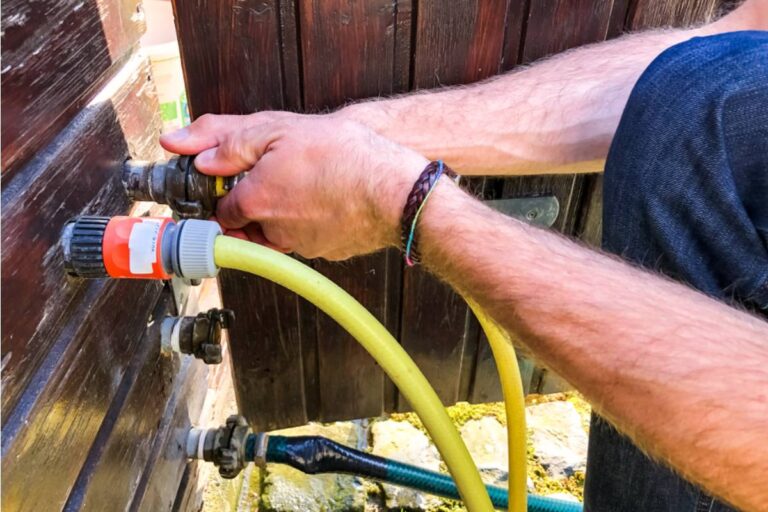
The homeowner then revealed another detail that made the situation even stranger. The neighbor had an irrigation line running underground beneath the fence and into the homeowner’s yard so he could water the cypress tree. The neighbor was paying for the water, so the homeowner wasn’t being charged for irrigation. Still, the homeowner wasn’t entirely comfortable with someone else’s landscaping system operating inside his property.
A response from a person warned that this could become another boundary issue if the arrangement continued indefinitely. Another person joked that the next disagreement could involve who would pay if the sprinkler line eventually broke inside the homeowner’s yard. The homeowner clarified that the irrigation belonged to the neighbor and simply crossed underneath the fence to reach the tree. What initially sounded like a simple favor between neighbors was starting to resemble a collection of informal arrangements that had never been properly documented.
The Previous Owners May Have Allowed It
There was one important piece of information the homeowner didn’t know. Because the tree and irrigation system were installed before he purchased the house, the previous owners may have given the neighbor permission to use that portion of the property. The homeowner couldn’t say for certain whether that had happened. He was therefore trying to figure out whether something that had apparently been tolerated by the former owners should automatically continue under the new ownership.
A response from a person argued that whatever arrangement existed before shouldn’t automatically determine what the new owner wanted for his property. Another suggested checking the property boundaries and getting appropriate local advice before making any major decision about the tree.
The homeowner wasn’t necessarily looking for a confrontation, but he also didn’t want to inherit an arrangement simply because nobody had challenged it before. That uncertainty made the tree more complicated than simply deciding whether he liked the way it looked.
The Power-Line Concern Changed the Mood
The tree’s proximity to the utility pole was particularly concerning because a mature tree could become significantly larger than it appeared when it was planted. The homeowner had read that the city might trim vegetation that grew too close to power lines, which made him wonder whether he should simply leave the matter alone. If the tree eventually became a hazard, however, he didn’t want the responsibility landing on him because the tree happened to be inside his yard. The decorative purpose of hiding the pole suddenly seemed much less important than the potential maintenance problem.
Several responses suggested contacting the appropriate local authority or fire department for guidance about the tree rather than relying on assumptions. Another person pointed out that utility companies and municipalities often have procedures for vegetation growing near lines, making professional advice more useful than neighborhood speculation. The homeowner now had two separate questions: whether the tree should remain and whether the neighbor’s irrigation should continue. Both questions had something the hedge dispute lacked, namely a potential safety or property issue.
The Responses Drew a Clear Boundary
As more people weighed in, the advice about the hedge became surprisingly consistent. Most responses essentially said that the homeowner should decide whether he wanted a hedge and should not install one merely because his neighbor wanted it. If the neighbor wanted a hedge badly enough to make the request, there was nothing wrong with asking him to contribute to the cost. When he refused to split the expense, the homeowner had little reason to volunteer for the entire bill.
One response offered a particularly simple principle: the person who wants the project should be prepared to pay for it. Another suggested that the homeowner could choose his own privacy solution, whether that meant landscaping, a structure, or nothing at all. A few people even proposed water-efficient plants or decorative alternatives that wouldn’t require the same ongoing irrigation. The message was clear: cooperation was optional, while ownership of the decision remained with the homeowner.
Some People Suggested Keeping the Peace
Not every response encouraged the homeowner to immediately remove everything connected to the neighbor. One person advised leaving the tree alone if it wasn’t clearly causing a problem, arguing that a confrontation could turn the relationship into a long-running feud. Another suggested that maintaining a decent relationship with the neighbor could be valuable, especially for two people who would continue living beside each other. From that perspective, refusing the hedge was one thing, but turning every landscaping disagreement into a battle could create a different kind of headache.
The homeowner therefore had to balance two competing ideas. He could establish boundaries without necessarily declaring war over every unusual thing the neighbor had done before he arrived. A calm refusal could preserve the relationship while still making it clear that future projects required his agreement. The trick was figuring out which issues were merely annoying and which ones deserved immediate attention.
The Shared Fence Wasn’t Really the Shared Responsibility
The central misunderstanding appeared to be the assumption that a shared fence automatically meant shared landscaping responsibilities. The homeowner seemed willing to consider a joint project, but only if both parties agreed to participate financially. The neighbor, however, appeared to want the benefits of a privacy hedge without taking on any of the installation expense. That left the homeowner with a straightforward choice that didn’t require much landscaping expertise.
He could simply decline and leave the fence as it was. If he later decided that privacy was important, he could install something he personally wanted and could afford, preferably with a design that fit his own property and water-use preferences. A response from a person suggested that even a privacy screen or decorative trellis could accomplish some of the same goal without creating an expensive hedge that both neighbors might eventually argue about. In other words, the easiest way to avoid a shared landscaping dispute might be to avoid creating shared landscaping in the first place.
The Sprinkler Became the Bigger Boundary Issue
Ironically, the hedge request may not have been the most important issue after all. The irrigation line crossing into the homeowner’s yard was an existing arrangement that the new owner hadn’t agreed to personally. Even though the neighbor paid for the water, the homeowner was understandably questioning why someone else’s landscaping system should continue operating across his property. A response from a person argued that allowing one informal arrangement could make future requests easier for the neighbor to justify.
The homeowner didn’t necessarily need to start ripping anything out immediately, but he had good reason to understand exactly where the property boundary sat and what rights, if any, existed concerning the irrigation. Establishing that information could prevent a future disagreement from becoming a much bigger one. The same principle applied to the tree, especially because it was allegedly planted inside the homeowner’s yard before he purchased the property. Before taking action, the homeowner could determine what was legally and practically appropriate rather than making a decision based purely on frustration.
Then the Story Took an Unexpected Turn
The strangest part of the entire situation was that the neighbor seemed to be asking the new homeowner for additional cooperation while already benefiting from arrangements created before the homeowner arrived. First came the request for a fully funded hedge.
Then came the discovery that a cypress tree had been planted in the corner of the property and was being watered through an irrigation line crossing under the fence. What looked like a simple disagreement over privacy landscaping suddenly appeared to be a pattern of informal property arrangements.
That changed how the homeowner viewed the hedge conversation. The question was no longer simply whether paying for a hedge was fair. It was whether agreeing to one request might establish a habit in which the neighbor expected the new homeowner to accommodate landscaping decisions he had made long before they met. The homeowner’s hesitation suddenly looked less like overthinking and more like an attempt to establish reasonable boundaries before the next request arrived.
The New Owner Finally Had a Simple Choice
The homeowner didn’t have to decide everything at once. He could decline the hedge, investigate the property line, determine the status of the existing irrigation, and seek appropriate advice about the tree’s proximity to the utility pole. None of those decisions required him to accept a project he didn’t want. He could also decide later that he wanted more privacy and install something that suited his own preferences.
The responses ultimately pointed toward the same basic idea: being a good neighbor doesn’t mean automatically paying for everything a neighbor wants. A person can be friendly, cooperative, and respectful while still saying no to an expensive landscaping project. In this case, the homeowner’s biggest win may have been realizing that setting a boundary early could prevent a much larger dispute later.
The Hedge Was Never Really the Problem
In the end, the proposed hedge became almost a distraction from the larger issue. The neighbor wanted a privacy improvement, but the homeowner was being asked to provide the money, installation, and ongoing responsibility for something he hadn’t requested. Meanwhile, an older landscaping arrangement involved a tree inside his yard and irrigation passing beneath the fence. Those details made the situation feel less like a single awkward request and more like a property-boundary puzzle waiting to be solved.
The homeowner still had the option of keeping things civil and refusing only the parts he wasn’t comfortable with. He could tell the neighbor that he wasn’t interested in paying for the entire hedge while remaining open to a future shared project if the costs were genuinely shared.
As for the tree and sprinkler, getting clear information before making changes would allow him to handle those issues without unnecessary drama. What started as a neighbor asking for some hedges had ultimately taught the new homeowner an important lesson: sometimes the first landscaping request is really a test of how firmly someone is willing to draw the property line.