Homeowner Says Her Stepdaughter’s Beloved Houseplant Collection Began Destroying Their Home, Then She Secretly Started Killing the Plants Instead of Throwing Them Away
A person shared his story about a houseplant collection that started with good intentions during the COVID-19 pandemic but eventually turned into a household nightmare. His stepdaughter lived with the family full-time, and when the plant craze swept through homes everywhere, she enthusiastically filled their living space with greenery. At first, encouraging her new hobby seemed like a wonderful way to bring some life into the house.
The young plant enthusiast took excellent care of her leafy companions in the beginning, making the collection a source of happiness rather than concern. Windowsills became crowded with pots, and the house gradually developed the familiar look of an indoor jungle. Nobody seemed to mind the growing collection because it was nice to see someone so passionate about nurturing living things.
When a Green Thumb Turned Into a Growing Problem
As time passed, however, the stepdaughter became busier and less attentive to her plants, leaving the family to deal with the consequences. Watering became inconsistent, and some plants received far more moisture than they needed. What had once been a charming collection slowly transformed into a maintenance problem that nobody had signed up for.
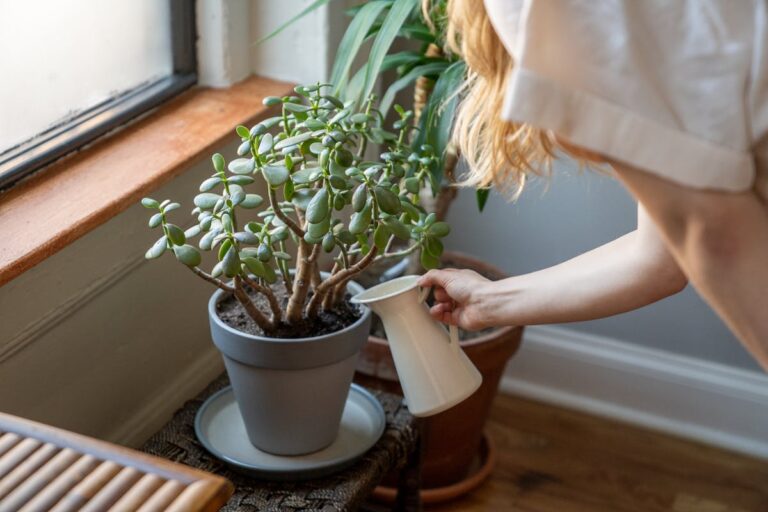
The biggest issue was not simply a few yellowing leaves or drooping stems. One particularly troublesome plant received so much water that the windowsill beneath it began deteriorating, with moisture eventually contributing to mold and damage to the wooden floor. Suddenly, the family’s indoor garden was threatening the very home it was supposed to beautify.
The Windowsill That Finally Tested Everyone’s Patience
The homeowner tried to address the problem before it became any worse, explaining that the plants needed proper drainage and protection for the furniture beneath them. He even purchased plant saucers so excess water would not seep directly onto the wooden surfaces. Unfortunately, the simple solution did not work because his stepdaughter continued to ignore the precautions.
For someone with limited free time, repeatedly dealing with preventable damage was understandably frustrating. The homeowner was no longer just looking at neglected leaves or dusty pots, but at repairs, cleaning, and the possibility of more expensive damage. What began as a harmless hobby was now demanding time and money from someone who had not chosen to maintain it.
The Plants Started Looking More Like Abandoned Decorations
As the stepdaughter grew older and her schedule became busier, the collection received less attention. Dust accumulated on leaves, some plants began dying, and cobwebs appeared among the neglected pots. Instead of creating a peaceful indoor oasis, the once-loved greenery had become an eyesore throughout the home.
The homeowner also found himself spending his limited free time trying to maintain plants that were not his responsibility. Every neglected pot represented another small task, whether it involved cleaning, removing dead foliage, or checking for damage. The situation became increasingly irritating because the person who originally wanted the plants was no longer consistently caring for them.
Repeated Conversations Failed to Change Anything
Rather than immediately removing the collection, the homeowner attempted to resolve the issue through conversation. He explained why water needed to stay off the wood and why the family could not continue risking damage to their home. He also encouraged his stepdaughter to reduce the number of plants if caring for the entire collection had become too difficult.
Unfortunately, those conversations did not produce the change he wanted. According to his account, his stepdaughter remained unwilling to part with any of the plants, even when their upkeep was becoming a burden for everyone else. The homeowner was left feeling trapped between protecting his property and respecting a hobby that had become increasingly difficult to manage.
The Homeowner Replaced the Damaged Windowsill
Eventually, the water damage became serious enough that the homeowner replaced the affected windowsill. This was no longer a hypothetical warning about what might happen if the watering continued, because the damage had already occurred. Replacing the wood offered an opportunity to start fresh and prevent the same problem from returning.
After completing the repair, he explained to his nearly adult stepdaughter that protecting the house was important to the family. The message was straightforward: the plants could remain, but their care could not continue damaging the property. For a moment, it seemed that the consequences had finally been made clear.
The Very Next Day, Everything Went Wrong Again
The apparent solution lasted barely a day before the homeowner discovered that the newly replaced windowsill was soaked once more. After all the conversations, warnings, and repair work, the same problem had returned almost immediately. It was the kind of discovery that could make even a patient person wonder whether their efforts were accomplishing anything.
At that point, the homeowner’s frustration had reached a new level. The problem was no longer just about a neglected houseplant or an innocent watering mistake, but about repeated damage after the consequences had already been explained. With the freshly repaired wood threatened again, he decided that simply asking nicely was not going to solve the situation.
Instead of Removing the Plants, He Chose a Secretive Solution
The homeowner then admitted to taking matters into his own hands in a way his stepdaughter never suspected. Rather than throwing away the troublesome plants or openly removing them from the home, he began deliberately damaging them. He described using salt and vinegar in an effort to kill the plants that were causing the most trouble.
The decision turned the household gardening dispute into something far more complicated than an argument over watering habits. Instead of confronting the problem openly, the homeowner chose a covert approach that would make the plants disappear gradually. His confession suggested that he had become so frustrated with the repeated damage that he preferred secretly ending the plants’ lives over having another unsuccessful conversation.
Salt and Vinegar Became His Unusual Weapons
For gardeners, salt and vinegar are not harmless shortcuts for managing unwanted vegetation around valuable plants. Salt can accumulate in soil and interfere with a plant’s ability to absorb water, while vinegar can damage plant tissues on contact. Used carelessly, these substances can also affect surrounding soil and other vegetation.
In this case, however, the homeowner described using them specifically against the plants he considered problematic. His goal was not to improve their growing conditions or nurse them back to health, but to make them deteriorate until his stepdaughter gave up on them. The tactic might have avoided an immediate confrontation, but it also replaced an ongoing maintenance problem with a secret act of sabotage.
The Strangest Part Was That Nobody Caught Him
Perhaps the most surprising detail was the homeowner’s admission that he could not believe he had never been discovered. His stepdaughter had originally cared deeply about her plants, making the gradual decline of the collection a potentially noticeable change. Yet he claimed that his actions remained hidden while the troublesome plants continued deteriorating.
That secrecy became an important part of the story because it revealed how far the household conflict had progressed. Instead of reaching an agreement about plant care, the homeowner had created a private solution that depended on his stepdaughter not discovering what was happening. The immediate tension might have eased as the plants declined, but the underlying disagreement remained unresolved.
The Confession Took an Even Stranger Turn
Just when the story seemed to have reached its conclusion, the homeowner added another unexpected detail about how he handled frustration within the household. He mentioned that when he was angry with his stepdaughter’s father, he would make decaffeinated coffee. The admission shifted the tone from a dispute over damaged wood and dying houseplants to a confession about his quieter ways of expressing annoyance.
Although the coffee detail had nothing to do with gardening itself, it added another layer to the homeowner’s account. Both revelations suggested that he sometimes chose indirect actions instead of addressing his frustration openly. What began as a story about excessive watering had turned into a much broader glimpse of how resentment can build when people living together struggle to communicate.
One Response Found the Coffee Detail Especially Memorable
A response from a person focused on the coffee confession, joking that the plant sabotage was understandable in the context of household frustrations while describing the decaffeinated coffee trick as particularly devious. The reaction highlighted the unexpected humor that some readers found in the story. Rather than concentrating exclusively on the damaged windowsill, the response picked up on the homeowner’s unusual collection of secret acts.
That reaction also demonstrated how easily a gardening dispute can become a conversation about family dynamics. Some people might sympathize with the frustration of repeatedly repairing water damage, while others could find the deliberate destruction of someone else’s plants troubling. The coffee revelation gave readers yet another reason to debate the homeowner’s behavior rather than treating the situation as a simple disagreement about houseplants.
The Real Problem Was Bigger Than a Few Waterlogged Pots
At its heart, the conflict involved two competing concerns: a young person’s attachment to her plants and a homeowner’s responsibility to protect the property. The stepdaughter had initially shown enthusiasm and care, but her changing priorities left the collection demanding more attention than she was willing or able to provide. Meanwhile, the homeowner felt that his warnings and repair efforts were being ignored.
Neither neglected foliage nor a damaged windowsill could resolve that underlying tension. A workable arrangement would have required clear expectations about watering, drainage, responsibility for repairs, and the number of plants the household could reasonably accommodate. Without those boundaries, the collection became a symbol of a larger disagreement about respect and shared responsibility.
A Houseplant Collection Became a Cautionary Tale
The story serves as a reminder that indoor gardening requires more than enthusiasm and a collection of attractive pots. Water-resistant trays, properly sized saucers, suitable drainage, and regular checks for leaks can help protect windowsills and floors. Just as importantly, anyone who brings plants into a shared home needs to take responsibility for their care.
The homeowner’s secret strategy may have brought him a temporary sense of control, but it was hardly a healthy substitute for an honest conversation. Deliberately damaging another person’s belongings can destroy trust if the truth eventually comes out, even when the original frustration is understandable. In the end, this unusual tale shows how a love of greenery can turn sour when neglected plants, property damage, and unspoken resentment begin growing together.