Homeowner Says His Insurance Adjuster Blamed His Garden’s Drainage for Flood Damage Inside the House, Now He’s Disputing the Entire Claim
When Mark Ellison bought his home in a quiet suburb outside St. Louis, he never expected the backyard garden to become part of an insurance dispute. The garden had been his weekend project for years, built slowly with raised beds, gravel paths, and a simple drainage system he installed himself.
After a heavy storm flooded his living room, he assumed it was a straightforward insurance claim. The inspection, however, took an unexpected turn when the adjuster started focusing on the garden instead of the storm damage. What followed turned a routine claim into a growing conflict.
The first walkthrough changes the tone
The insurance adjuster arrived two days after the water receded, clipboard in hand and boots still clean. Mark walked him through the living room where the carpet was still damp and furniture had been lifted onto blocks. Instead of focusing on interior damage, the adjuster spent most of his time looking out the back door. He asked detailed questions about soil levels, plant beds, and water flow near the patio. Mark assumed it was routine documentation until the adjuster spent nearly twenty minutes outside without coming back in.
The garden becomes the center of attention
Standing in the backyard, the adjuster pointed to the raised garden beds and gravel channels Mark had installed. He asked whether any professional landscaping design had been used when building the drainage layout. Mark explained he had done everything himself using basic tutorials and advice from a local nursery. The adjuster nodded but did not write anything down for several minutes. Instead, he took multiple photos of the garden and surrounding soil.
A surprising explanation is given
Later that afternoon, Mark received a preliminary verbal summary from the adjuster. The explanation suggested that improper yard grading and altered water flow had contributed significantly to the flooding inside the house. Mark immediately pushed back, saying the storm had overwhelmed everything regardless of landscaping. The adjuster responded that water naturally follows the path of least resistance, which in this case may have been influenced by the garden layout. That statement shifted the entire conversation.
Mark reviews his own installation work
That evening, Mark pulled out old photos and sketches he had used when building the garden. He had carefully placed gravel trenches designed to redirect runoff away from the foundation. In every season prior, heavy rain had drained without issue. Nothing in his records suggested a failure in the system. The more he reviewed, the more confident he became that the garden was not the cause of the flooding.
A contractor offers a conflicting opinion
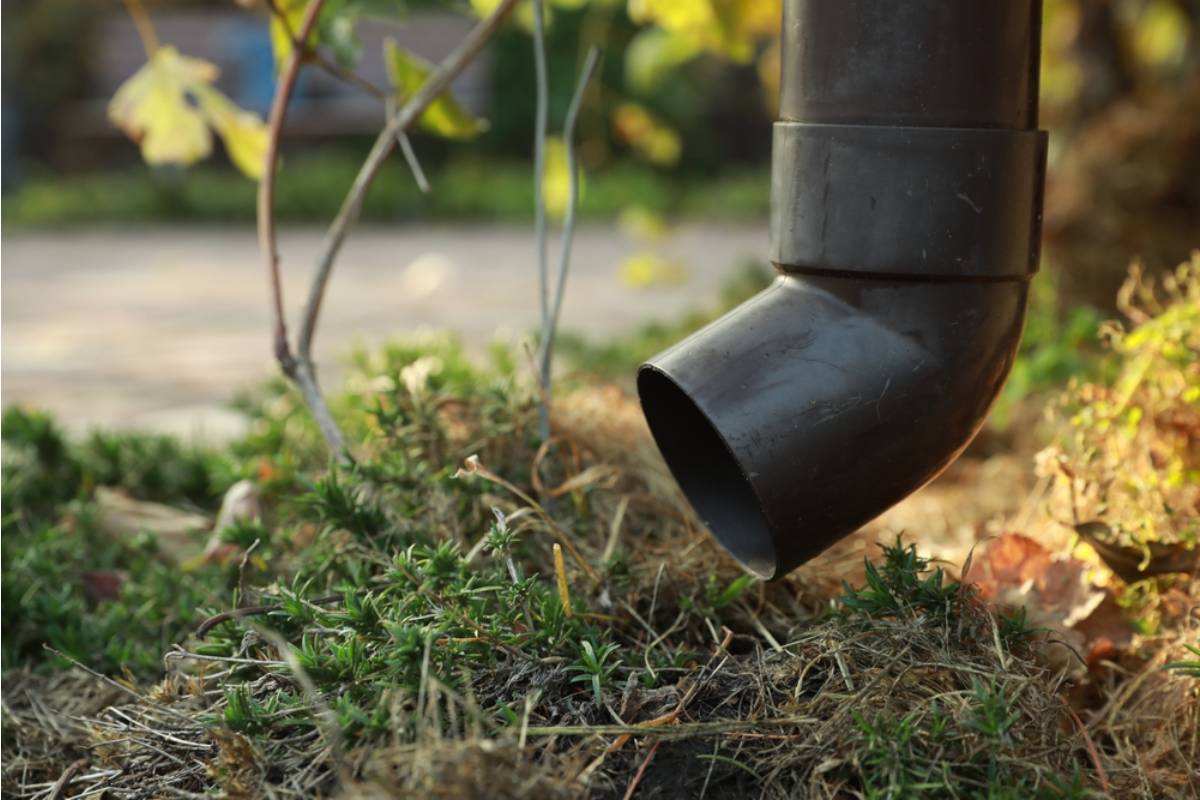
To strengthen his case, Mark hired a local contractor to inspect the drainage setup. The contractor walked the yard and immediately questioned the insurance assessment. He pointed out that the slope actually directed water away from the house rather than toward it. However, he also noted one area near a downspout where soil had shifted over time. That small detail became the first real point of uncertainty in the dispute.
The insurance letter arrives
A formal letter from the insurance company arrived the following week. It stated that coverage might be reduced due to pre existing drainage conditions contributing to the damage. Mark read the letter several times, frustrated by how quickly the conclusion had been reached. The document referenced the garden repeatedly, almost treating it as the primary cause of the flood. It offered little explanation beyond general hydrology principles.
A neighbor’s comment adds confusion
While discussing the situation with a neighbor, Mark learned that water had pooled more heavily in his backyard during past storms. The neighbor remembered seeing temporary puddles near the fence line after heavy rain. Mark had never considered those observations significant because they always drained within hours. Now those small details were being used to support the insurance argument. It made him question whether he had missed something over the years.
The adjuster returns for a second visit
The adjuster came back to reassess the property after Mark challenged the initial report. This time he brought a colleague who specialized in water damage analysis. They both spent more time measuring ground elevation and photographing drainage paths than inspecting the interior again. Mark noticed their attention had shifted almost entirely to the backyard. The house itself felt secondary in their evaluation.
A technical report shifts responsibility
A revised report arrived stating that the garden design had created a “redirected flow pattern” during extreme rainfall. It did not fully deny storm impact but reduced the insurer’s responsibility significantly. Mark felt the language was carefully chosen but ultimately damaging to his claim. He contacted the company asking for the specific data behind the conclusion. The response was delayed and vague.
Mark seeks an independent expert
Frustrated, Mark reached out to a civil engineer specializing in residential drainage systems. After reviewing the property, the engineer disagreed with the insurer’s interpretation. He explained that while landscaping can influence runoff, the volume of water from the storm far exceeded typical design considerations. He suggested the flooding was more consistent with overwhelmed municipal drainage than backyard flow. This gave Mark new confidence in challenging the claim.
The dispute escalates formally
Mark submitted the independent report to the insurance company along with a formal dispute request. The company responded by requesting additional documentation and clarification of the garden modifications. The process became slower and more procedural, with each side holding firm. Mark realized the claim was no longer just about damage, but about liability assignment. The garden had become the central argument in every exchange.
A surprising discovery in old records
While organizing paperwork, Mark found an old city drainage map from when the neighborhood was first developed. It showed that his property sat near a natural runoff convergence zone. That detail had never been mentioned by the insurance adjuster. Mark sent the map to the engineer, who confirmed it supported his original assessment. It added another layer to the growing disagreement.
Mediation is suggested but delayed
The insurance company eventually suggested mediation to resolve the dispute. Mark agreed immediately, but scheduling delays pushed the process weeks into the future. During that time, the damaged interior remained partially unrepaired. Mold prevention work kept the house livable but uncomfortable. The situation lingered without resolution, creating ongoing frustration.
The garden remains untouched but symbolic
Throughout the dispute, Mark refused to alter the garden in any way, even minor adjustments. It had become more than landscaping at that point, serving as physical evidence in an ongoing disagreement. Neighbors occasionally asked about the case, turning it into quiet neighborhood discussion. Mark simply said he was waiting for the final decision. The garden stood unchanged, representing both his work and the center of a claim still unresolved.