Homeowner Says His Neighbor’s New Privacy Fence Is Casting a Shadow Over His Entire Vegetable Garden, Now Half His Crops Are Struggling to Survive
In a suburban neighborhood in Pennsylvania, Robert had spent years refining a vegetable garden that produced enough fresh food to supplement most of his family’s meals through the growing season. His backyard was carefully arranged with raised beds designed to maximize sunlight exposure from morning until late afternoon. Things worked well until his neighbor installed a tall privacy fence that changed how light moved across both properties. Within weeks, Robert noticed parts of his garden were no longer thriving. What started as a simple fence installation slowly turned into a dispute about sunlight, property rights, and unintended consequences.
The fence that appeared in a single weekend
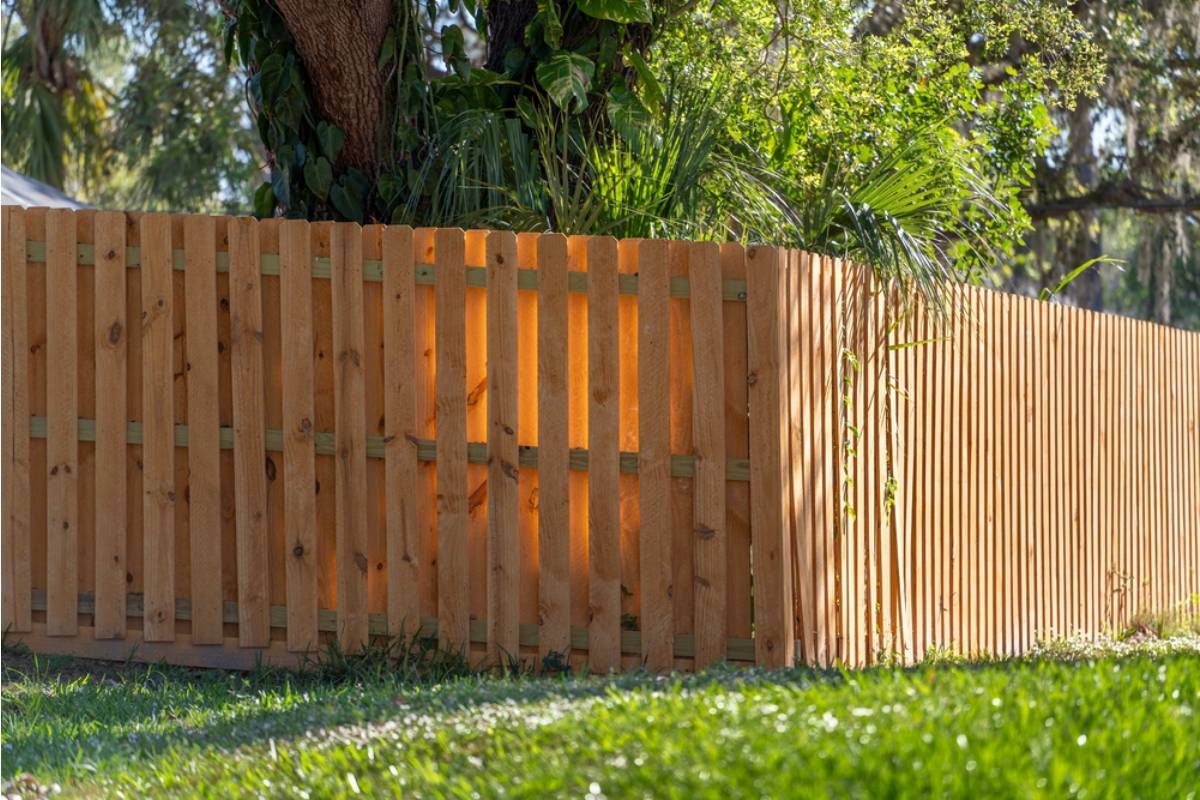
Robert first noticed the construction when he heard steady hammering coming from next door. By the end of the weekend, a tall wooden fence had been installed along the shared boundary. It was noticeably higher than the previous one and blocked a clear line of sight between the yards. His neighbor, Kevin, explained it was for privacy and security reasons. Robert did not object at first, assuming it would not affect anything beyond visibility.
The first signs of struggling plants
A few days later, Robert noticed that parts of his lettuce bed were not growing as quickly as before. The leaves looked thinner, and some seedlings were leaning toward one side. He assumed it was a watering issue or maybe a temporary weather shift. But when the pattern continued, he started paying closer attention to how sunlight reached different sections of the garden. The change was subtle but consistent.
The shadow line becomes obvious
By the second week, Robert could clearly see a sharp shadow line cutting across his garden during midday. Everything on one side of that line thrived, while the other side looked noticeably weaker. He walked the length of the fence and realized how much higher it stood compared to the previous structure. The garden was now split into two very different growing environments. That realization made the problem impossible to ignore.
A conversation with the neighbor
Robert approached Kevin while he was working in his driveway and mentioned the impact the fence was having on his crops. Kevin listened but said the fence was built within his property rights and met all local guidelines. Robert explained that the change in light was affecting food production. Kevin responded that he needed privacy for his family and had no intention of modifying the structure. The conversation ended politely but without agreement.
The crops begin to fail in the shaded section
Over the following weeks, the shaded half of Robert’s garden started to decline noticeably. Tomato plants produced fewer fruits, and some vines stopped growing upward altogether. He tried relocating smaller containers, but the raised beds were fixed in place. The contrast between the sunny and shaded sections became more dramatic each day. Robert began documenting the changes to understand the full impact.
A gardening expert weighs in
Robert visited a local nursery and explained the situation to an employee who had years of gardening experience. The employee confirmed that even a few hours of lost sunlight could significantly reduce vegetable yields. He suggested relocating sensitive crops, but Robert had no practical way to move the entire garden. The advice helped explain the science behind the problem but did not solve it. Robert left feeling more frustrated than reassured.
The HOA gets involved
After weeks of ongoing concern, Robert contacted the homeowners association to ask about potential solutions. The HOA reviewed the fence and confirmed it met height regulations. However, they also acknowledged that environmental impact between properties was not easily regulated. Kevin stated that he had followed all rules and built the fence for legitimate privacy reasons. The HOA suggested both neighbors try to find a mutual compromise.
A tense exchange at the property line
Robert and Kevin spoke again near the fence, this time with more frustration in their voices. Robert pointed out how half his garden was now under constant shade. Kevin replied that he could not be responsible for natural light patterns or Robert’s planting choices. Robert suggested lowering a section of the fence, but Kevin refused. The conversation ended with both men walking away visibly irritated.
Attempts to save the garden
Robert tried adjusting what he could by pruning nearby trees and shifting smaller plants into brighter areas. Some crops improved slightly, but the majority of the shaded section continued to struggle. He even experimented with reflective panels to redirect light, but the results were inconsistent. The effort required to maintain productivity increased significantly. Despite everything, the fence remained the dominant factor.
A neighbor offers a different perspective
Another neighbor mentioned that privacy fences like Kevin’s were becoming more common in the area. She pointed out that many homeowners prioritized security and separation over shared environmental effects. Robert realized that his situation was part of a broader trend rather than an isolated issue. That perspective did not reduce the damage but helped explain why the fence was unlikely to change. The conflict was not just personal, but structural.
The compromise suggestion that goes nowhere
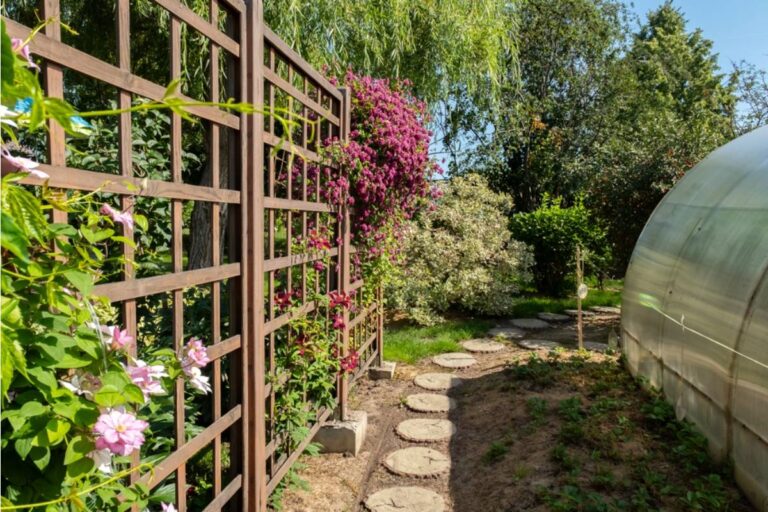
The HOA suggested installing partial lattice sections to allow filtered light through certain areas of the fence. Kevin agreed to consider it but later declined, citing privacy concerns. Robert appreciated the attempt but saw that nothing practical was emerging. The garden continued to suffer through the growing season. Both sides remained firm in their positions.
The final harvest disappointment
By the end of the season, Robert harvested significantly less produce from the shaded half of his garden. Some plants failed entirely, while others produced smaller, weaker yields. The sunny side still performed well, highlighting the imbalance more clearly than ever. Kevin’s fence remained unchanged, casting the same shadow every afternoon. What began as a simple privacy improvement had permanently altered how Robert’s garden functioned, leaving him to rethink how he would grow anything in that space going forward.