Homeowner Says His Neighbor’s RV Kept Rolling Across His Cracked Driveway for Years, Until He Realized the Concrete Was Stealing the Garden He and His Wife Had Always Wanted
A person shared his story about moving into a home he and his wife hoped would become their little slice of paradise, complete with room for gardening projects and perhaps a beautiful tree. For the first four years, they tried to enjoy their property while maintaining a friendly relationship with the neighbor next door, who had lived in the neighborhood since the 1980s. However, one oversized recreational vehicle was turning their peaceful home into an unexpectedly complicated situation.
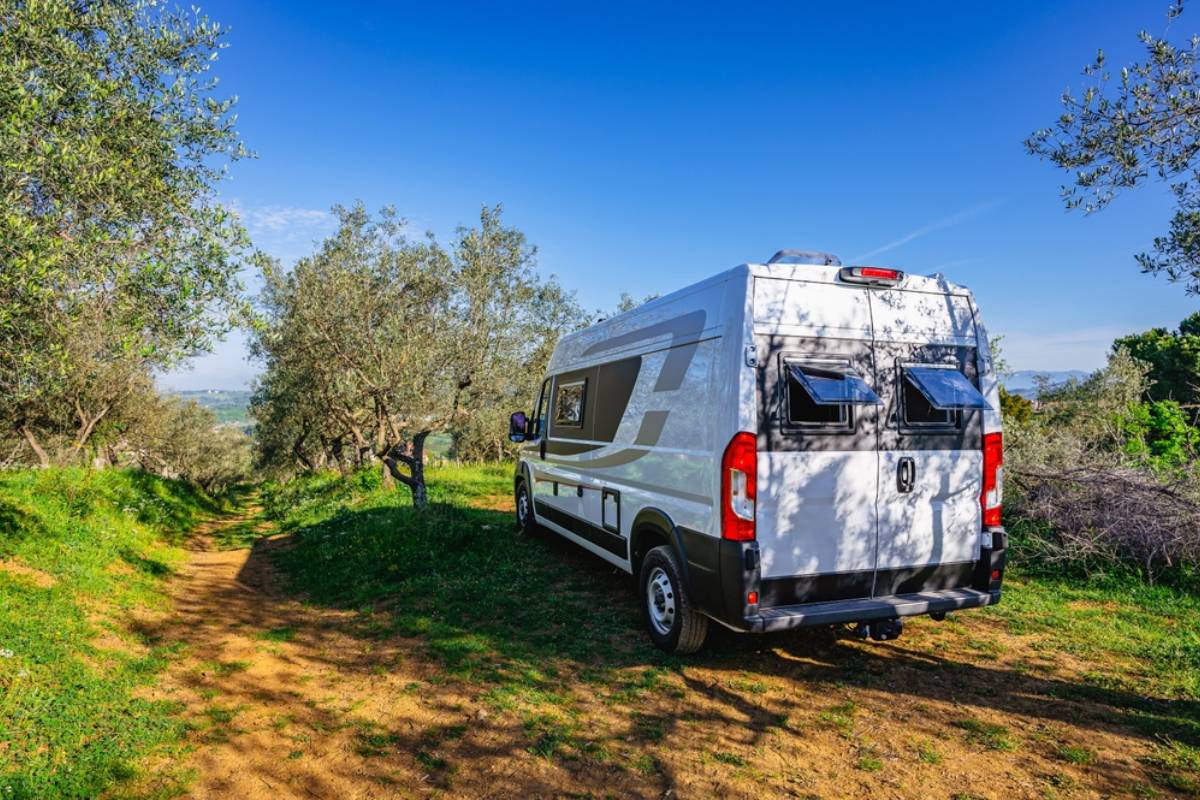
The neighbor stored a large RV in the side yard and relied on a peculiar driveway arrangement to get it in and out. Previous homeowners had paved over the space between the two driveways, creating one enormous stretch of concrete that made maneuvering the vehicle possible. What initially seemed like a practical solution had quietly become a problem that threatened both the homeowner’s patience and his gardening dreams.
One Enormous Concrete Driveway Came With an Unexpected Catch
The driveway looked almost like a suburban parking lot, with enough concrete to make anyone wonder whether a small garden had been sacrificed during construction. A curb running down the middle marked the property boundary, separating the neighbor’s side from the homeowner’s land. Unfortunately, the RV was too large to navigate the tight space without crossing that boundary.
Whenever the neighbor wanted to move his vehicle, he had to repeatedly drive over the curb and onto the homeowner’s concrete. The process could take around 30 minutes, involving countless forward and backward maneuvers before the RV finally escaped its concrete maze. For the homeowner, what looked like an ordinary driveway had become an unofficial vehicle obstacle course stretching across someone else’s property.
The Neighbor Treated the Arrangement Like an Established Right
One of the homeowner’s biggest frustrations was that nobody had properly discussed the arrangement when he first moved in. Instead, the neighbor simply explained that he had permission from a previous owner and carried on as though the driveway came with an invisible welcome mat for his RV. As a first-time homeowner, the man had wanted to be accommodating rather than begin his new chapter with a neighborhood dispute.
Unfortunately, being agreeable at the beginning made it harder to explain why the arrangement was no longer working. The neighbor had apparently grown accustomed to using the space, while the homeowner and his wife were discovering how much they disliked sharing it. What had once felt like a minor favor was now interfering with their plans for the property they had purchased.
Suddenly, the Homeowner’s Own Car Became Part of the Problem
The RV’s tight turning angle created another headache because the neighbor needed extra room to maneuver. Even though the homeowner parked his car on his original driveway, the neighbor sometimes needed to drive 10 to 15 feet onto the homeowner’s property to get the RV out. That meant the car had to be moved whenever the neighbor decided it was time for another trip.
The timing was particularly frustrating because the homeowner worked from home and could not simply drop everything whenever someone wanted access to his driveway. On some occasions, the neighbor repeatedly rang the doorbell while he was in work calls, apparently expecting him to respond immediately. The homeowner had bought a house, not a job as the neighborhood’s on-demand RV parking attendant.
The Concrete Was Cracking, and the Garden Was Paying the Price
As if the constant interruptions were not enough, the driveway itself was beginning to show signs of damage. The homeowner noticed that the concrete near the curb was cracking more noticeably each year, right where the heavy truck and RV repeatedly crossed. He suspected the repeated loads and tight maneuvers were contributing to the deterioration.
That damage made the situation much more serious than an occasional inconvenience. Repairs could eventually cost money, and the homeowner was understandably concerned about continuing to absorb the consequences of a setup that primarily benefited his neighbor. Every new crack also seemed to push the couple further away from the outdoor space they had hoped to create.
The Couple Had a Garden Plan That Could Change Everything
The homeowner and his wife were enthusiastic gardeners, and the oversized driveway had never been their idea of an attractive front yard. They had discussed removing the concrete on their side and replacing it with garden space, potentially including a tree that would bring greenery and character to the property. For them, reclaiming the area meant more than changing the landscaping because it meant finally making their home feel like their own.
A newly planted garden could provide flowers, shade, and a welcome break from all that gray concrete. However, the couple knew that removing the pavement would affect the neighbor’s ability to move his RV. Their landscaping plans had suddenly become tangled up with a relationship they had spent years trying to keep peaceful.
Then Came the Awkward Question of Who Actually Had Permission
The homeowner also wondered whether the neighbor had any legal right to continue using the property after so many years. As far as he knew, there was no written easement agreement between the neighbor and the previous owners, although the original arrangement had existed before he purchased the house. He was unsure whether the neighbor’s longstanding use of the driveway could create any rights that might limit his plans.
That uncertainty made a straightforward gardening project feel like a potential legal dispute. Property access rules vary depending on the location and the specific history of an arrangement, so the absence of paperwork was not something the homeowner could safely interpret on his own. Before breaking up the concrete, he needed to understand exactly where he stood.
One Conversation Finally Brought the Problem Into the Open
During the neighbor’s most recent request to move the car, the homeowner decided it was time to stop pretending everything was fine. He explained his concerns about the repeated interruptions, the cracks in the concrete, and the possibility of changing the driveway in the future. Rather than immediately banning the neighbor from using the space, he made it clear that the current arrangement could not continue indefinitely.
It was an important moment because the couple had spent years accommodating a situation they increasingly resented. Their desire to avoid conflict had not prevented the problem from growing, and staying silent would not magically restore the damaged concrete. For the first time, the neighbor had been warned that the familiar driveway routine might soon come to an end.
One Response Suggested Giving the RV Owner Plenty of Notice
A response from a person recommended informing the neighbor well ahead of the planned renovation, perhaps explaining that the concrete would be removed in the spring. This would give him time to investigate alternative storage arrangements instead of discovering the change when construction equipment arrived. A little advance notice could also make it easier for the homeowner to demonstrate that he had handled the situation reasonably.
The same response raised a particularly important gardening concern: the homeowner should think about protecting the newly reclaimed area. If the concrete disappeared and fresh topsoil took its place, the neighbor might still be tempted to drive across the ground while maneuvering the RV. Temporary barriers or an appropriate boundary could help protect the future garden from becoming an accidental vehicle route.
Another Response Suggested Calling a Real Estate Attorney
A response from a person agreed that advance notice could help but suggested consulting a real estate attorney before taking action. The question of a possible easement was too important to settle through assumptions or a casual conversation over the fence. Having a professional review the property’s documents could help clarify whether any legally enforceable access arrangement existed.
Another response pointed out that long-term property use can be treated differently depending on local laws and the circumstances surrounding that use. Questions about permission, previous agreements, property boundaries, and the length of time the arrangement had existed could all matter. Instead of gambling the garden project on a guess, the homeowner could obtain advice tailored to his particular property.
The Suggested Solutions Ranged From Polite Boundaries to Concrete Bollards
Not everyone thought another conversation would solve the problem, especially after hearing about the repeated doorbell interruptions. Some responses suggested installing bollards or other sturdy barriers to prevent vehicles from crossing the property boundary once access had been properly resolved. Others favored making the physical boundary more obvious so that the neighbor would have less opportunity to treat the two driveways as one shared space.
The gardening angle made these suggestions particularly relevant because fresh soil and young plants would need protection from heavy tires. A decorative boundary, thoughtfully placed planting beds, or a suitable barrier could eventually help define the yard while improving its appearance. Of course, the homeowner would need to confirm any legal and practical requirements before installing permanent obstacles.
Some People Thought the Homeowner Had Been Far Too Accommodating
A response from a person argued that the first few requests might have seemed harmless, but the situation had grown unreasonable once the neighbor began expecting the homeowner to move his car on demand. The distinction was not simply whether the RV crossed the property line occasionally. It was that repeated access, property damage, and interruptions to working hours had become part of the homeowner’s routine without a clear agreement.
Others emphasized that refusing an inconvenient request did not automatically make someone a bad neighbor. The homeowner could remain polite without promising unlimited access to his driveway, particularly when the arrangement was interfering with his use of the property. A friendly relationship was worth preserving, but it should not depend on one household continually sacrificing its comfort for another.
Another Idea Was to Make the Shared Driveway a Paid Arrangement
One response suggested a different approach: rather than immediately ending the arrangement, the homeowner could consider whether a formal agreement might benefit both parties. If the neighbor wanted continued access, the terms could address compensation, advance notice, responsibility for concrete repairs, and the inconvenience caused by moving the car. Such an arrangement would need to be voluntary, legally appropriate, and documented clearly rather than based on vague promises.
The idea highlighted how much the neighbor benefited from keeping his RV close and accessible. A commercial storage facility might cost money, while the existing driveway offered convenience at someone else’s expense. Still, payment would not necessarily solve every problem, especially if the couple genuinely wanted the space for a garden and tree rather than a negotiated parking arrangement.
The Biggest Mistake Would Be Assuming the Concrete Could Simply Disappear
Removing the unwanted pavement sounded like the perfect way to reclaim the yard, but the homeowner had good reason to plan carefully before starting demolition. He would need to check local permit requirements, confirm the property boundary, and understand whether the neighbor could claim any access rights. Proper preparation would also help him avoid turning a landscaping renovation into a more expensive legal dispute.
Once the relevant questions were settled, the couple could plan how to transform the bare area into useful garden space. Depending on the site’s conditions, they might choose a small tree, flowering perennials, shrubs, or a combination of planting beds that would soften the front yard. The key was to design a garden that belonged to them rather than leave the area vulnerable to another round of RV maneuvers.
The Real Twist Was That Keeping the Peace Had Been Costing Them Their Garden
The homeowner originally wanted to be a considerate neighbor, and that instinct was understandable when he had just moved into the house. Yet the arrangement gradually expanded beyond what he had expected, involving repeated requests to move his car, interruptions during work, and concerns about deteriorating concrete. The peace he was trying to preserve had started to feel less like neighborly goodwill and more like an obligation he had never agreed to take on permanently.
Now, he and his wife faced a decision that could finally return their property to them. They could investigate the legal situation, provide appropriate notice, and move forward with a carefully planned renovation that would protect their interests as well as their future garden. The neighbor might not welcome the change, but a little less concrete and a lot more greenery could be exactly what the couple needed to feel at home again.