Homeowner Says His Rural Neighbor Dumped Every Rainwater Barrel on His Property, Then a Single Text Message Gave Him the Evidence He Needed
A person shared his story about owning a rural property roughly an hour away from where he lived. The land was meant to be a peaceful place where he could garden, store equipment, and spend time away from the noise of everyday life. Instead, one particularly difficult neighbor had apparently been irritated by the property from the very beginning.
The neighbor had an easement that ran through part of the land, so he had a legitimate reason to use that specific access route. What bothered him was everything else he could see from it, including gardening equipment, chainsaws, protective gear, and other supplies. The homeowner had always considered those items ordinary possessions on private property, but the neighbor apparently saw them very differently.
The Rain Barrels Had a Purpose
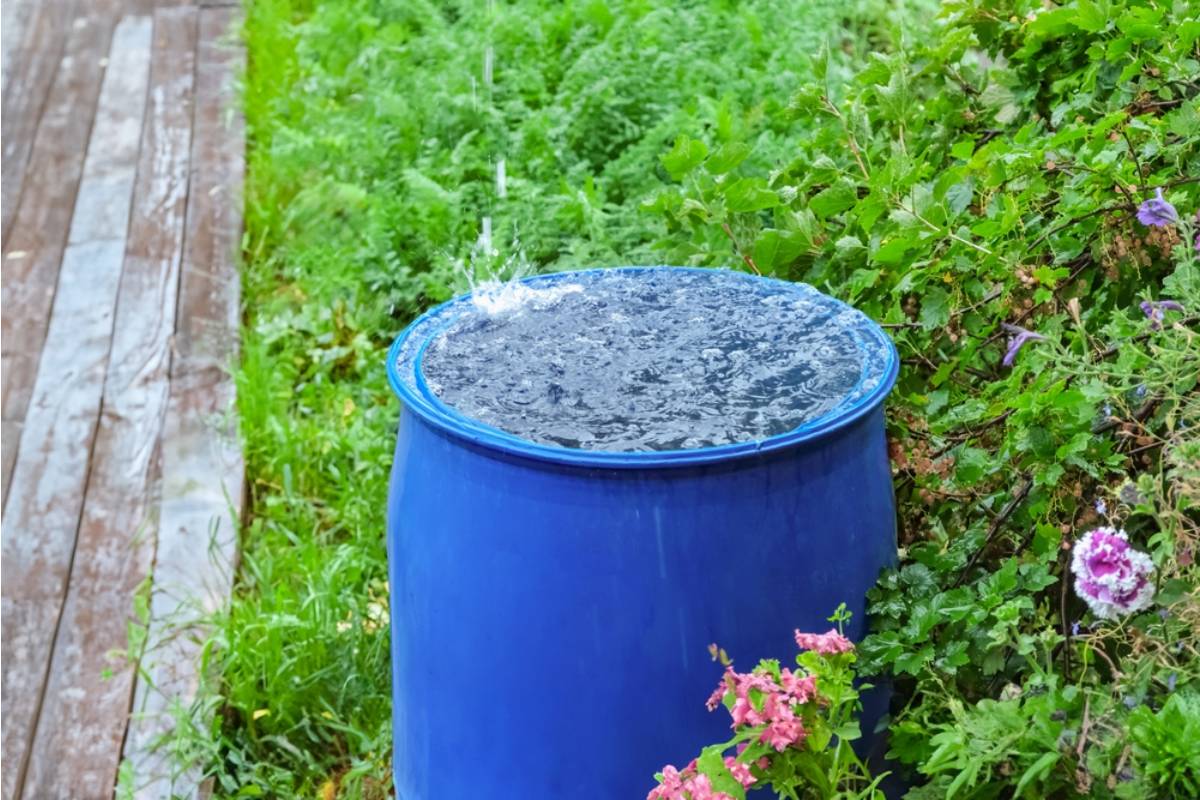
The homeowner had placed several rainwater collection containers around the property. They were not there simply because he liked the look of barrels scattered around his land. The stored water was intended for watering plants and could also serve as an emergency supply if a controlled brush-burning fire somehow escaped the burn barrel.
For a gardener, collecting rainwater can be an incredibly useful way to keep plants watered during dry periods. The homeowner had also taken precautions against mosquitoes by putting mosquito dunks into the containers. Everything seemed carefully planned, practical, and completely ordinary to him.
Then the Neighbor Sent a Message
One day, the homeowner received a message from the neighbor that immediately made his stomach drop. The neighbor openly told him that he had gone onto the property and dumped out all the rainwater caches. There was no mysterious disappearance and no question about whether someone had interfered with them.
The strangest part was that the neighbor apparently volunteered the information himself. Instead of denying involvement, he effectively announced what he had done. A response from a person summed up the situation perfectly by pointing out that the neighbor had practically handed over written proof.
The Evidence Was Already in His Phone
The homeowner quickly saved the message. He took a screenshot so that the admission would not disappear into the endless stream of ordinary text conversations. Suddenly, what had looked like a frustrating neighbor dispute had become something much more concrete.
Several responses from people urged him to preserve the message and provide it to the authorities. They pointed out that there was a major difference between suspecting someone had entered your land and having that person say they did it. The homeowner now had a piece of evidence that could help establish exactly what had happened.
Why Would Anyone Dump Rainwater?
That was the question nobody could quite answer. The neighbor had been unhappy since the homeowner purchased the property, but his obsession with the rainwater caches seemed especially strange. The barrels were on private land, and the water was being collected for gardening and emergency use.
A response from a person wondered whether the neighbor might have been worried about mosquitoes. That theory at least offered a possible explanation, especially since standing water can attract insects. But the homeowner had already been using mosquito dunks, meaning the containers were not simply neglected pools of water.
The Gardening Equipment Was Also a Problem
The rainwater was only one part of the neighbor’s frustration. He had apparently become irritated by the homeowner storing gardening equipment, chainsaws, and protective gear on the property. The neighbor could see those things while walking along his easement, and he apparently disliked the view.
The homeowner found this difficult to understand. The equipment was his, the land was his, and the items were being stored for legitimate work around the property. Yet the neighbor seemed to believe that merely seeing them gave him some kind of reason to interfere.
The Easement Created Confusion
Because the neighbor had an easement, there was a legitimate route where he could walk across part of the property. That did not necessarily mean the entire piece of land had become his personal playground. The homeowner was especially concerned that the neighbor might eventually treat the easement as permission to wander wherever he pleased.
A response from a person recommended making the property’s boundaries extremely clear. Signs and visible markers could help distinguish the permitted access area from the rest of the land. What had once seemed unnecessary on a quiet rural property suddenly started looking like a very wise investment.
The Homeowner Was Stuck in the City
There was another complication: the property was about an hour away from where the homeowner lived. He was also a full-time student dealing with finals, making an unnecessary trip especially difficult. Even the roughly $30 fuel cost was something he needed to think about carefully.
That meant he could not simply jump into the car and inspect everything the moment the message arrived. He needed to decide what could be done remotely and what would have to wait. Unfortunately, the neighbor’s actions had already created the possibility that more damage could happen before the homeowner returned.
Then People Suggested Cameras
A response from a person immediately recommended installing cameras. For a property that was visited infrequently, trail cameras made particular sense because they could monitor the land without requiring someone to be physically present. Some people even suggested placing visible cameras alongside hidden ones.
The idea was to create layers of evidence. A visible camera could discourage someone from crossing the line, while another discreet camera could capture activity if the warning was ignored. Suddenly, the empty rural property could have eyes on it even while the homeowner was sitting miles away studying for exams.
The Rainwater Had More Value Than It Looked
To someone unfamiliar with gardening, dumping several barrels of rainwater might seem like a harmless prank. For the homeowner, it represented lost resources, wasted preparation, and the inconvenience of having to replace everything. Water collected for plants does not magically reappear because somebody decides to empty a barrel.
There was also the emergency purpose behind the stored water. The homeowner kept it available in case a brush fire escaped during controlled burning, meaning the caches were part of his broader safety planning. The neighbor had not simply dumped out some old containers; he had deliberately interfered with something the homeowner had prepared for a reason.
The Mosquito Dunks Became an Unexpected Detail
The homeowner’s mention of mosquito dunks added another interesting layer to the story. He had anticipated the common concern about standing water and had already taken precautions to reduce mosquito breeding. That made the neighbor’s intervention even harder to justify.
A response from a person suggested that screens over the containers could provide an additional layer of protection. Another gardening-minded person mentioned that fish could potentially consume mosquito larvae in certain water-storage situations. The discussion shifted from neighbor drama to an unexpected mini-lesson in maintaining rain barrels safely.
Some People Wanted Immediate Action
The strongest responses were consistent on one point: the homeowner should not treat the incident as a harmless disagreement. A person who willingly admitted entering private property and emptying stored water could potentially repeat the behavior. Ignoring it might convince him that there would be no consequences.
Other responses emphasized creating an official record of the incident. Even if the immediate damage seemed minor, documentation could establish a pattern if something more valuable disappeared later. The homeowner’s chainsaws and other equipment suddenly seemed much more important in that context.
The Message Changed Everything
Before receiving the message, the homeowner had only suspicion and an ongoing history of hostility. Afterward, he had something far more useful. The neighbor had effectively connected himself to the incident without being pushed into an admission.
A response from a person compared it to someone committing a bad act and then writing down what they did afterward. The humor was obvious, but there was a serious point underneath it. Evidence is much easier to work with when it comes directly from the person who caused the problem.
The Property Needed More Than Rain Barrels
The homeowner began thinking beyond replacing the water containers. He needed to make the property harder to interfere with while he was away. Cameras, no-trespassing notices, and better documentation suddenly became just as important as gardening tools and chainsaws.
The garden itself also needed protection. Rainwater collection only worked if the containers remained full, and plants could not benefit from water that someone had dumped into the dirt. Every part of his rural setup depended on having a reasonable expectation that other people would leave his property alone.
The Neighbor’s Behavior Was Getting Harder to Ignore
The homeowner had been dealing with the neighbor’s hostility since purchasing the land. Until this incident, much of it could perhaps have been dismissed as irritation or an unfriendly personality. Dumping every rainwater cache crossed into something much more deliberate.
The fact that he had gone onto the property specifically to interfere with the homeowner’s belongings made the situation feel different. The neighbor was no longer merely complaining about what he could see from the easement. He had physically entered the property and changed something that did not belong to him.
A Quiet Property Became a Watched Property
The homeowner eventually had a clearer strategy. He could preserve the text message, document the condition of the rainwater containers when he returned, install cameras, and make the boundaries unmistakable. None of those steps required a dramatic confrontation in the middle of the countryside.
The irony was that the neighbor had apparently wanted to control what happened on the property. Instead, his own message pushed the homeowner toward making the land even more secure. The more he interfered, the more evidence he created.
The Garden Was Ready for Its Next Storm
Once the homeowner could return to the property, the first job would be assessing the emptied containers and photographing everything. The rain barrels could be refilled, mosquito protection restored, and the garden could continue as planned. What mattered most was preventing someone else from deciding what should happen on land they did not own.
A response from a person suggested that bad behavior should be documented early because today’s small interference could become tomorrow’s missing tools. That possibility lingered over the homeowner’s property as he prepared for the next visit. The water might have been emptied, but the incident had filled his phone with something much more valuable: proof.
The Twist Was the Confession
The homeowner had initially wondered whether he should explain the purpose of the rainwater, the mosquito treatment, and the emergency plans. But the strongest part of his story was not any of those explanations. It was the fact that the neighbor had already admitted entering the property and dumping everything.
The twist was that the neighbor may have thought he was simply proving a point, but instead he documented his own involvement. The rain barrels could be replaced, the plants could be watered again, and the equipment could be secured more carefully. But that little text message was likely to follow the neighbor wherever the dispute went next.