Homeowner Says His Wife Turned Her Gardening Hobby Into a Four-Hour Daily Job, Then Started Leaving Him Plant Chores While He Was Still Asleep
A person shared his story about watching his wife’s gardening hobby grow from a relaxing pastime into an enormous daily commitment. What started with a few plants eventually became a garden that demanded hours of watering, pruning, fertilizing, and maintenance every single day.
The husband had warned her from the beginning that the garden might eventually become too much to manage. He was willing to help occasionally, but when the garden’s workload began spilling onto his schedule, he found himself wondering whether he had accidentally signed up for a second job.
The Garden Started as a Simple Hobby
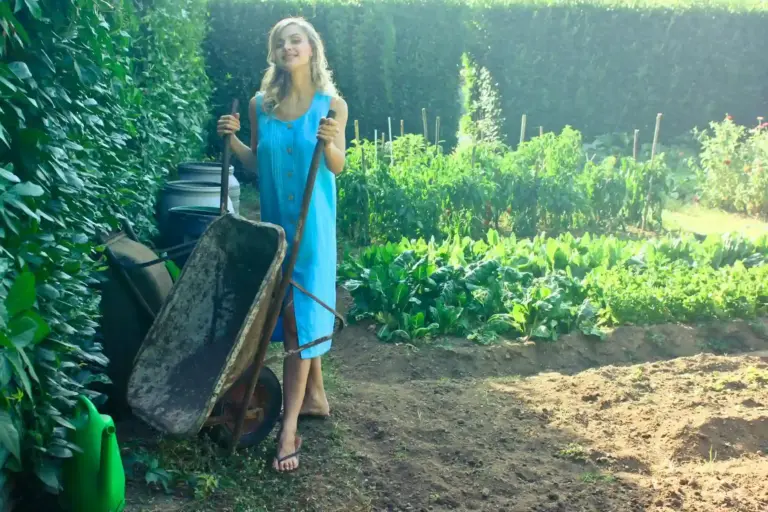
The wife first took up gardening the previous year and quickly discovered that she had a real talent for it. By the following season, the garden had expanded dramatically and was producing the kind of growth that can make a gardener feel both proud and slightly overwhelmed.
Her husband was happy that she had found something she enjoyed. The problem was that the more successful the garden became, the more time it seemed to demand.
Four Hours a Day Changed Everything
The husband estimated that his wife was spending around two hours every morning caring for the garden before work. She would then spend another two hours tending plants at some point before the couple went to bed.
That added up to roughly four hours of gardening every day. What had once been a hobby was starting to resemble a full-time seasonal position with no weekends off.
The Couple Already Had Busy Lives
Neither spouse exactly had unlimited free time. They both worked two jobs and also helped care for the wife’s two elderly parents, who lived elsewhere.
Their children were grown and had moved out, so childcare was not adding to the workload. Even so, the couple already had plenty of responsibilities before the garden began demanding several hours of attention every day.
The Husband Had Warned Her Early
Before the garden became enormous, the husband told his wife that he thought she was taking on too much. He believed the amount of work required would eventually collide with everything else they already had going on.
His wife continued anyway. At the time, he made it clear that he did not want to become responsible for maintaining the garden, partly because he suspected exactly what would eventually happen.
Her Garden Was Growing Faster Than Her Free Time
The plants continued thriving, which sounds like the perfect outcome for any gardener. Unfortunately, healthy plants can create a very different problem when there are too many of them to maintain.
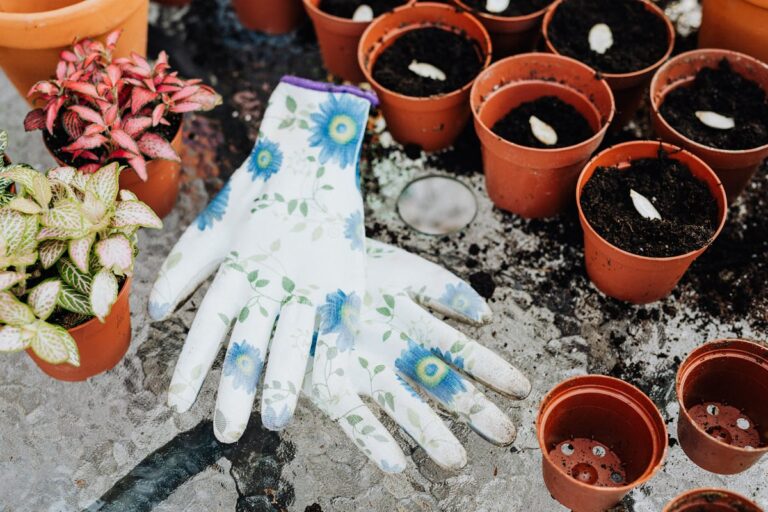
Soon there were pots and beds requiring regular watering, fertilizing, pruning, and general attention. The better the garden grew, the more difficult it became for one person to keep up with every little task.
The Husband Was Already Helping
Despite saying that gardening was not his hobby, the husband was not completely hands-off. He helped with heavier jobs that required more physical effort.
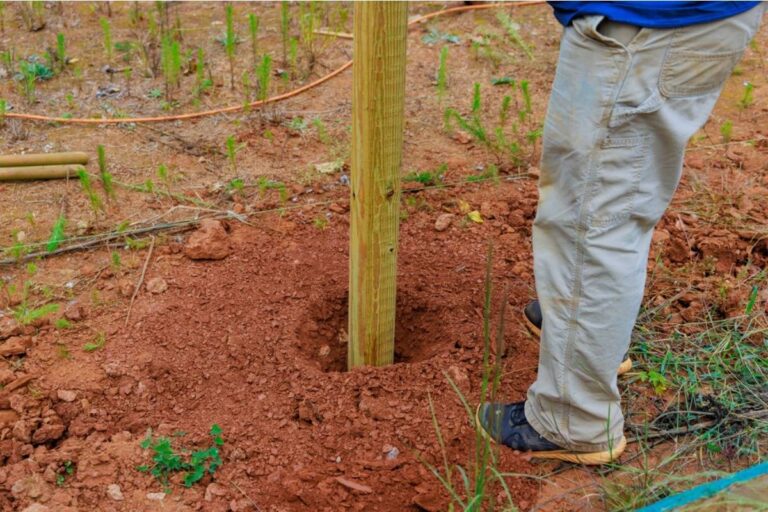
He had carried potting soil and other materials, built several trellises, constructed a raised bed, and made trips to the store for gardening supplies. From his perspective, he had already contributed plenty without becoming responsible for the daily routine.
Then the Requests Became More Frequent
The problem was that occasional help gradually started becoming expected help. The wife increasingly asked him to water plants, fertilize beds and pots, prune plants, and take care of other everyday gardening tasks.
The husband found himself increasingly frustrated. He did not mind helping once in a while, but he did not want someone else’s hobby quietly turning into his obligation.
He Had a Hobby of His Own
The husband also spent time on something he enjoyed. He was a drummer and played in a band that practiced for about two hours every Sunday evening.
The band occasionally performed at clubs, roughly once a month. He pointed out that he never expected his wife to load his equipment, unload his gear, attend his performances, or sell merchandise for him.
The Garden Was Taking More Time Than the Band
That contrast became increasingly difficult for him to ignore. His own hobby occupied a relatively small amount of time, while his wife’s garden demanded attention every day.
He believed the difference was important because he considered both activities personal hobbies. In his mind, choosing to take on an enormous garden did not automatically make the resulting workload a shared responsibility.
Then the Garden Appeared on His To-Do List
The situation reached a new level after the couple took an afternoon nap. The wife woke first and went outside to work on the garden while her husband continued sleeping.
She eventually woke him and asked him to get up and keep the dogs company. Then she left to run errands, leaving behind a list of tasks for him to complete.
One Item Was Impossible to Miss
There it was on the list: watering her plants.
The husband was understandably irritated. After repeatedly explaining that he did not want gardening to become his responsibility, he now had a literal gardening chore waiting for him while his wife was away.
It was the kind of moment that can make someone stare at a watering can and wonder exactly when a hobby became a household assignment.
Other Gardeners Had a Simple Solution
A response from a person suggested that the wife might need to reduce the size of the garden rather than expecting another person to maintain it. Gardens do not necessarily have to be perfectly weed-free, meticulously pruned, and constantly fertilized to remain productive.
Another gardener explained that sometimes the easiest solution is simply lowering the standard. A few weeds or slightly less frequent pruning may not matter nearly as much as the gardener thinks.
Some Gardeners Were Managing With Much Less
Several people pointed out that their own gardens required far less daily attention. One person said they spent only a couple of hours a week gardening, while another described maintaining a small collection of tomato plants despite having mobility limitations.
The lesson was not that every garden should take the same amount of time. It was that a gardener may need to choose a scale that fits the amount of time and energy actually available.
The Garden Could Be Made Easier
One response from a person offered a more technical solution: automate some of the repetitive work. A drip irrigation system with timers could eliminate the need to drag a hose around the garden every day.
Slow-release fertilizer and occasional professional help for larger jobs were also suggested. That would allow the wife to keep enjoying the parts of gardening she loved without spending hours performing every maintenance task manually.
The Husband Drew a Line
The husband explained that he was willing to help with certain things, particularly jobs requiring heavy lifting or construction. What he did not want was responsibility for keeping the entire garden alive every day.
That distinction became increasingly important as the garden grew. Helping occasionally was one thing, but being handed a recurring list of plant chores was something else entirely.
The Garden Was Becoming a Relationship Problem
The biggest concern was no longer the plants themselves. The couple were spending less time together because so much of the wife’s free time was being consumed by the garden.
The husband admitted that he was already feeling as though they were growing apart. What began as a hobby that made his wife happy was now creating resentment and taking up a significant portion of their shared time.
The Final Twist Was Sitting on the To-Do List
The irony was hard to miss. The husband had predicted almost from the beginning that the garden could become too demanding, but his warning had not stopped the expansion.
Now the garden had become so large that the person who never wanted to participate was being handed watering instructions while the gardener herself went out to run errands. The plants were thriving, but the couple were discovering that sometimes a garden can grow faster than the life built around it.
A Garden Should Have Room to Breathe
A productive garden can be wonderfully rewarding, but there is a point where adding more plants also means adding more obligations. For this couple, the challenge was no longer whether the wife loved gardening enough to maintain it.
It was whether the garden could be reshaped into something that fit their actual lives. The final lesson was sitting right there among the pots and raised beds: sometimes the healthiest thing a garden can receive is not more fertilizer or water, but a little less of it.