Homeowner Says Moss and Weeds Slowly Took Over Her Lawn Despite Regular Mowing, Then Realized the Shady Fence and Soggy Clay Soil Could Be Behind the Garden Disaster
A person shared his story about a lawn that had gradually gone from a garden feature to a source of frustration. Despite regularly cutting the grass, the homeowner watched moss and weeds spread while patches of bare ground became increasingly difficult to ignore. What once seemed like a straightforward lawn to maintain had turned into a gardening puzzle with no obvious solution. Now, he wanted advice on how to bring the struggling garden back to life.
The biggest concern was that the problem seemed to be getting worse rather than staying in one place. Bare patches were particularly noticeable along the fence, making the lawn look uneven and neglected. Instead of simply asking how to remove a few weeds, the homeowner needed to figure out why the grass was struggling in the first place. That distinction would become important because a lawn can keep losing ground when its underlying growing conditions are never addressed.
The Fence Line Became the Lawn’s Weakest Spot
The most troublesome area was along the garden fence, where the grass had become thin or disappeared altogether. One corner near a garden swing was especially bare, creating a noticeable gap in the otherwise grassy space. It was the sort of patch that could tempt a gardener to scatter more grass seed and hope for the best. However, repeatedly filling a bare area would not necessarily solve the problem if the conditions preventing grass from growing remained unchanged.
The homeowner had also noticed that the fence cast a shadow across part of the garden. During summer, the shaded strip extended roughly a metre into the lawn for much of the day. In winter, that shadow stretched considerably farther, leaving the back corner shaded from winter into early spring. With less sunlight reaching the soil, the struggling grass was facing an additional challenge before anyone even considered the weeds.
Clay Soil Added Another Complication
The fence was not the only suspect in this gardening mystery, because the homeowner also had clay soil that tended to stay damp. Clay holds water more readily than many other soil types, especially when drainage is poor or the ground becomes compacted. That can leave grass roots struggling for air while moss finds the conditions much more welcoming. Suddenly, the lawn’s decline looked less like a simple weed problem and more like several issues working together.
For a gardener hoping to restore a lush green lawn, damp soil can make every decision feel like a gamble. Adding more water might make things worse, while scattering seed over saturated ground may produce disappointing results. The sensible first step would be to assess how quickly water drains after rainfall and whether the soil feels compacted underfoot. Without understanding the ground beneath the grass, even the most enthusiastic lawn makeover could struggle to succeed.
Moss Quietly Became the Main Character
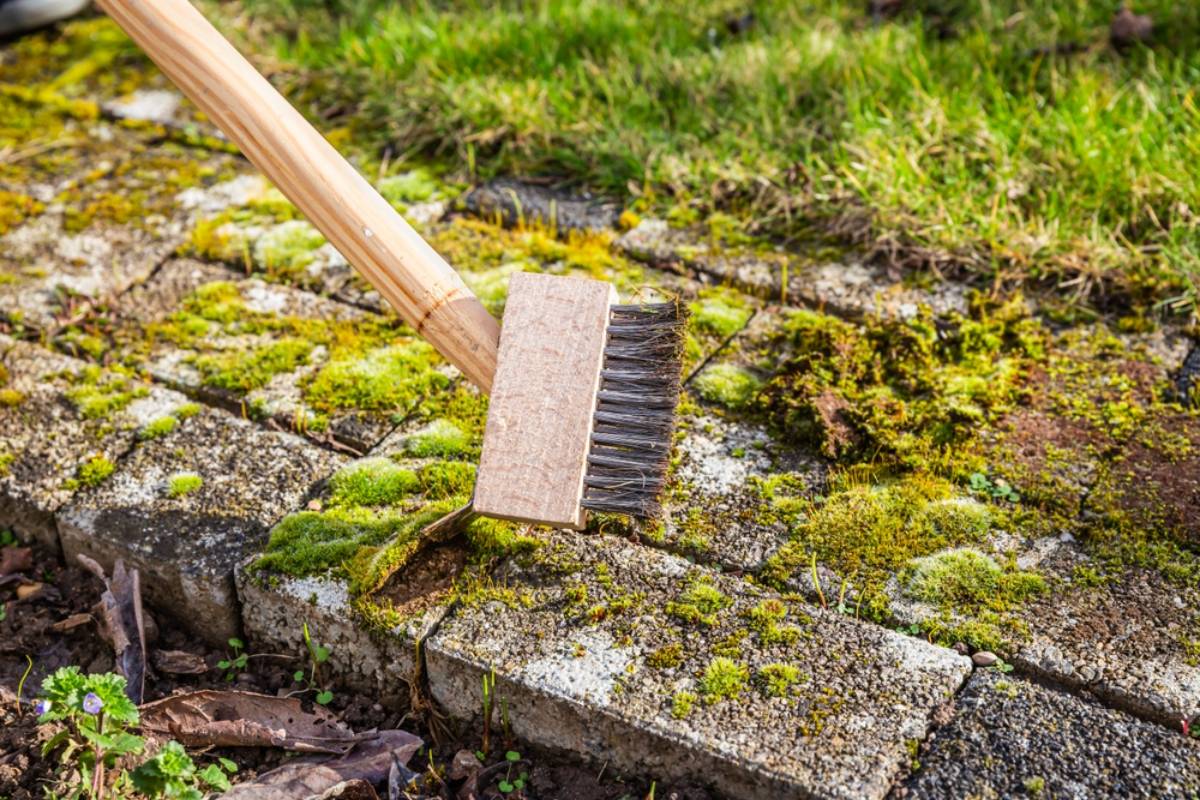
Moss had been gradually spreading across the lawn, and it was now competing with the grass for attention. Its presence was an important clue because moss often thrives where grass struggles, particularly in damp, shaded conditions. It does not automatically mean that the soil is acidic, despite that being a common gardening assumption. In this garden, the combination of shade, moisture and potentially compacted clay offered several plausible explanations.
A quick application of moss killer might make the lawn look different temporarily, but it would not necessarily prevent the moss from returning. A response from a person familiar with lawn care would likely emphasize correcting the conditions that encourage moss before expecting lasting results. Improving drainage where possible, relieving compaction and choosing grass suited to the available light could all help. The goal would be to make life easier for the grass rather than simply declaring war on the moss.
The Weeds Were Taking Advantage of the Situation
The moss was not the only unwanted visitor, because broadleaf weeds had spread considerably over the year. These plants can establish themselves in thin turf, especially where grass has already weakened or disappeared. Once open patches appear, weeds have more opportunities to spread and compete for the space that healthy grass would normally occupy. The homeowner was therefore dealing with a lawn that seemed to be losing its ability to defend itself.
However, removing every weed would not automatically restore the missing grass. Different broadleaf weeds require different approaches, so identifying the plant before choosing a treatment would be worthwhile. Hand removal may work for a small number of weeds, while selective lawn treatments can sometimes help when used according to their labels. Most importantly, the lawn would need healthier growing conditions to reduce the chances of the same problem returning.
Regular Mowing Was Not Enough
The homeowner explained that mowing was the only routine treatment the lawn received. That approach had kept the grass cut, but it had not stopped moss from spreading or weeds from taking over. Mowing can maintain a healthy lawn, yet it cannot solve every problem involving shade, drainage or soil structure. The garden was providing a useful reminder that a tidy lawn and a healthy lawn are not always the same thing.
Cutting the grass too short could also make an already struggling lawn more vulnerable. Taller grass generally has more leaf area to capture available sunlight, which becomes particularly important in shaded parts of a garden. Raising the mower setting and avoiding removal of too much growth at once could help preserve the remaining turf. Rather than mowing harder and hoping for a miracle, the homeowner needed a more targeted plan.
The Garden’s Position Changed Everything
The garden faced southwest, which meant it received sunlight during part of the day while the fence created a persistent shadow. That arrangement could be perfectly manageable for much of the lawn, yet challenging for the narrow strip beside the boundary. The difference became even more pronounced during winter, when the shadow extended farther across the ground. One garden could therefore contain several different growing environments, each requiring slightly different care.
This was an important detail because grass seed is not a universal solution for every lawn. Some grass varieties tolerate shade better than others, although even shade-tolerant grasses need enough light to establish and grow. If a particular corner receives too little sunlight, repeatedly reseeding it with a sun-loving mixture could waste time and money. The homeowner might eventually need to consider a shade-tolerant ground cover or a small planted border instead of insisting that every inch remain grass.
The Swing Corner Needed Its Own Plan
The bare patch near the garden swing stood out as one of the lawn’s most troublesome areas. Besides receiving less sunlight, the ground around a swing may experience repeated foot traffic, which can compact soil and wear away grass. If people regularly walk, stand or play in the same spot, newly seeded grass may struggle to establish. The problem could therefore involve more than the shadow cast by the fence.
A practical solution would begin with checking whether the soil is compacted and whether the area stays wet after rain. If the corner is suitable for grass, improving the soil structure and using an appropriate shade-tolerant seed mixture could give it a better chance. If the swing creates a permanent high-traffic zone, a small stepping-stone path or a deliberately designed play area might prove more durable. Sometimes the best lawn repair is to stop expecting grass to thrive where the garden’s everyday activities repeatedly damage it.
Aeration Could Help, but Timing Matters
Compacted clay soil can restrict the movement of air and water, making it harder for grass roots to grow well. Aeration can help by creating openings in the soil, allowing better movement of air and water when performed under suitable conditions. For a lawn with heavy clay, a hollow-tine aerator may be useful because it removes small plugs of soil rather than simply pushing the ground aside. However, the soil should be moist enough to work without being waterlogged.
Trying to aerate saturated clay can smear the soil and create more problems instead of improving its structure. The homeowner would need to choose a suitable period when the ground was workable and avoid walking repeatedly over wet areas. Aeration alone would not eliminate shade or guarantee that moss disappeared, but it could address one part of the problem. Combined with better mowing and appropriate grass seed, it could form part of a more complete recovery plan.
Better Drainage Might Be the Missing Piece
Because the lawn tended to remain damp, drainage deserved careful attention before any major renovation began. The homeowner could observe the garden after rainfall to see whether puddles formed, where water collected and how long the surface stayed wet. Those observations would help distinguish ordinary moisture retention from a more serious drainage issue. They would also show whether the problem affected the entire lawn or mainly the shaded corner.
If compaction was contributing to poor drainage, aeration and improvements to the soil structure might help. Persistent standing water, however, could require a more specific drainage solution depending on the garden’s layout and the source of the water. Simply adding a layer of sand to clay soil would not necessarily solve the problem and could produce an unsuitable soil mixture. Any improvement should address the actual cause rather than rely on a quick fix that sounds promising.
Autumn Could Offer a Fresh Start
For a struggling lawn in the United Kingdom, early autumn can often provide a useful opportunity for renovation. The soil is generally still warm enough for grass seed to germinate, while cooler weather and regular rainfall can reduce the need for constant watering. Before reseeding, the homeowner could remove excess moss and weeds, assess compaction and prepare the bare areas appropriately. That would give new grass a better chance of establishing before winter.
Timing would still matter, particularly in a garden that stays damp. The ground should not be waterlogged, and new seed needs suitable conditions rather than being scattered onto mud and left to fend for itself. A grass mixture selected for the lawn’s shade levels would also be more appropriate than choosing seed based on the packaging alone. With careful preparation, autumn could become the beginning of a recovery rather than another season of disappointment.
Choosing the Right Grass Could Change the Outcome
The temptation to buy a bag of general-purpose lawn seed is understandable, especially when large bare patches need attention. Yet the fence line and swing corner clearly had different conditions from the more open parts of the garden. A seed mixture designed for partial shade might suit those areas better, provided there is still enough light for grass to grow. The sunnier sections could continue using a suitable mixture for their own conditions.
It would also be important to follow the recommended sowing rate and keep newly seeded soil consistently moist without leaving it saturated. Grass seedlings need time to establish, so heavy foot traffic should be avoided until the new growth is sufficiently strong. If the darkest corner remains unsuitable for grass, planting a shade-tolerant alternative could be a more sustainable choice. A successful garden does not have to feature identical grass from fence to fence.
The Lawn Did Not Necessarily Need Chemicals
One detail that made the homeowner’s situation interesting was that the lawn had been maintained without regular chemical treatments. That did not mean the garden had been neglected, because mowing and observing the lawn are both legitimate parts of routine maintenance. Nor did it mean that chemicals were the missing ingredient in the recovery process. The main challenges appeared to involve the growing environment, and those needed attention regardless of which products the homeowner chose to use.
A targeted treatment could have a role if a particular weed or moss problem justified it, but it would not replace sound lawn care. Identifying weeds, improving conditions and selecting suitable grass could reduce the need for repeated applications. Any product used should be appropriate for the intended lawn and applied according to its instructions. The homeowner could therefore begin with practical changes instead of immediately purchasing an entire shelf of lawn-care products.
A Complete Lawn Makeover Might Not Be Necessary
With moss, weeds and bare patches appearing across the garden, starting over might have seemed like the easiest option. However, a full renovation can be expensive and labor-intensive, particularly when the conditions that caused the original problems remain unchanged. If substantial areas of grass were still healthy, repairing the damaged sections could be enough to improve the overall appearance. The key would be deciding which areas could realistically support grass and which needed a different approach.
A sensible assessment would separate the lawn into healthier sunny sections, damp or compacted areas and persistently shaded patches. Each section could then receive the treatment most suited to its condition instead of applying the same method everywhere. Some areas might need aeration and overseeding, while others could benefit from better drainage or an alternative ground cover. This more selective approach could save the homeowner considerable effort while making the final garden more resilient.
The Real Twist Was Hiding Beneath the Grass
At first glance, this looked like a familiar battle against moss and weeds, the kind that sends gardeners searching for stronger treatments and better grass seed. Yet the details pointed toward a more complicated explanation involving clay soil, moisture, shade and potentially compacted ground. The lawn might not have been failing because the homeowner was doing too little, but because the existing routine was not addressing the conditions beneath the surface. That changed the entire direction of the proposed makeover.
The most promising next step would be to improve the growing conditions before investing heavily in repairs. Checking drainage, avoiding excessively short mowing, relieving compaction when appropriate and choosing grass suited to the available light could all help. The persistently shaded corner might even be better served by a planted border or another suitable ground cover. Instead of trying to force the whole garden into one uniform green carpet, the homeowner could create a lawn that works with the space rather than constantly fighting against it.