Homeowner Says Neighbor Let Rotting Trash Pile Up Along Her Garden Border, Then the Rocks Missing From Her Drainage Ditch Exposed a Much Bigger Backyard Problem
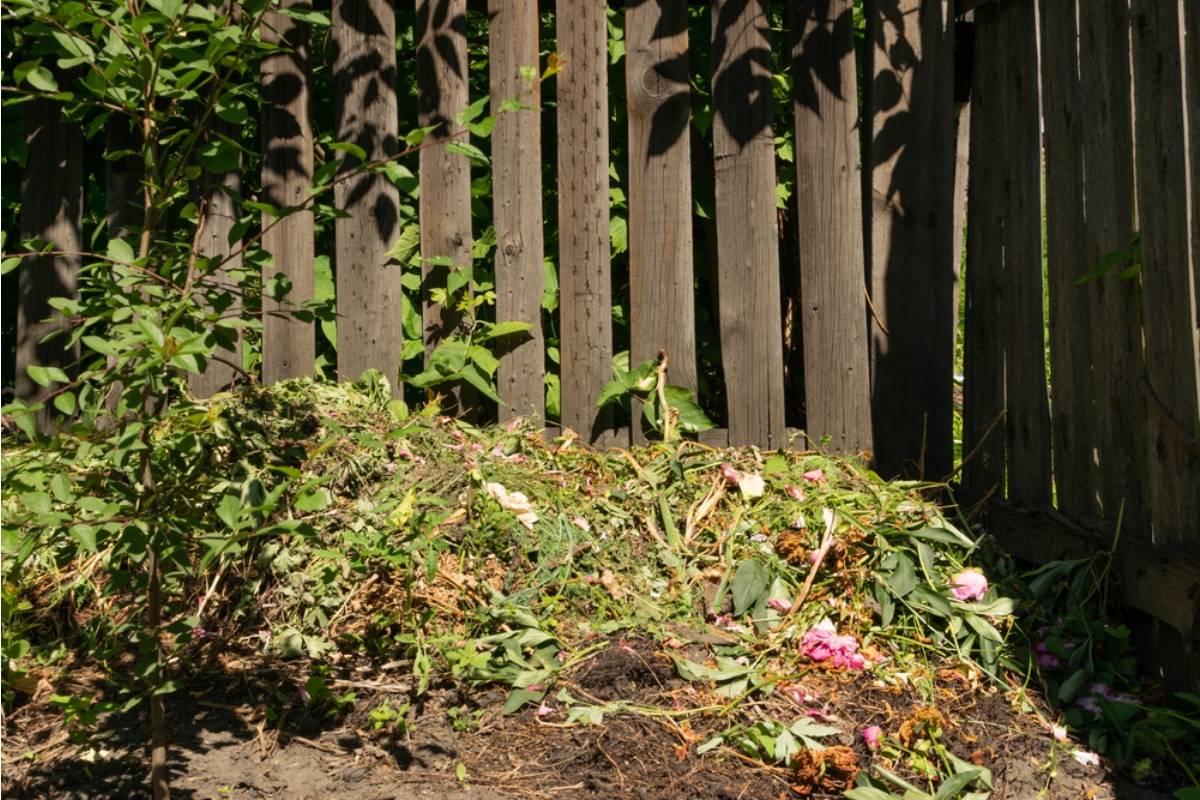
A homeowner says a neighbor found a remarkably simple solution to his overflowing trash problem: move the bags as close to her property as possible. After leaving them rotting on his back porch for more than a week, the neighbor eventually shifted the bags directly onto the property line. Unfortunately, that particular spot happened to be next to the homeowner’s crawlspace drainage pipe.
The timing could hardly have been worse because the homeowner needed to mow the yard and the bags were partly sitting on her property. She said the trash was also touching the drainage pipe, turning what looked like a minor neighborhood annoyance into a much bigger concern. Suddenly, the lawn mower was not the only thing she had to worry about.
The Garden Border Became a Trash Border
The homeowner explained that this was not an isolated incident involving a few forgotten garbage bags. She said the same neighbor had already developed a habit of treating the property line as if it were an extension of his own yard. The newest pile of trash simply added another chapter to a long-running backyard feud.
A person shared his story about the situation after the latest bags appeared, explaining that the homeowner had apparently spent years dealing with small problems that kept getting bigger. What might have been dismissed as ordinary neighborhood friction had become a pattern. And the garden, lawn, drainage area, and even the occasional cigarette butt had all somehow become part of it.
The Grass Had Already Paid the Price
The trash was only one piece of the puzzle because the homeowner also described problems with the neighbor’s dogs. During the previous summer, the dogs repeatedly wandered into her backyard and urinated on the grass. According to her story, the repeated damage eventually killed a large patch of lawn.
For someone who spends time maintaining a garden or carefully caring for a lawn, that kind of damage can be especially frustrating. Grass does not exactly grow back overnight, and neither does patience after watching the same problem happen again and again. The homeowner said she was already dealing with the consequences before the garbage bags ever reached the property line.
Then the Garden Rocks Started Disappearing
The homeowner also accused the neighbor of taking rocks from the drainage ditch and retention pipe area on her side of the property. Those rocks had a practical purpose, helping manage the drainage area and reduce erosion. Somehow, they were ending up in the neighbor’s own garden bed instead.
That detail caught the attention of several people who responded to the story. One response from a person pointed out that removing rocks from a drainage area could interfere with how water moves through the property. What looked like simple landscaping suddenly had a much more important role in the whole backyard drama.
Cigarette Butts Added Another Layer
Then there were the cigarette butts. The homeowner said they regularly blew from the neighbor’s side into her yard, creating another irritating little cleanup job. One or two pieces of litter might be easy to ignore, but a steady stream of them can become impossible to overlook.
The cigarette problem also showed why the homeowner described the situation as exhausting rather than simply annoying. Every individual incident was small enough to sound trivial on its own. Put them together, and the yard started to feel less like a private garden and more like the neighborhood’s accidental collection zone.
The HOA Was Supposed to Help
There was one obvious place the homeowner expected to turn for help: the homeowners association. Unfortunately, she said the HOA had been completely ineffective and had done little to address the repeated problems. That left her feeling as though every new incident had to be handled separately.
A person responding to the story suggested pushing the HOA harder and documenting its failure to enforce the rules. Others questioned how an organization created to maintain neighborhood standards could remain so passive while the same property issues kept returning. In the homeowner’s telling, the HOA had become another source of frustration instead of a solution.
Then People Started Talking About Health Hazards
Once the rotting trash entered the picture, the tone of the responses changed. Several people suggested contacting local health officials because garbage left sitting for long periods could attract insects and rodents. The concern was no longer just about an ugly property line or an unpleasant smell.
One response from a person also raised the possibility that piled-up trash could interfere with access around the property. Another suggested contacting local code enforcement to report the accumulation. Suddenly, the backyard dispute had wandered far beyond ordinary gardening etiquette and into the territory of local property and sanitation rules.
The Drainage Pipe Made Everything More Complicated
The location of the trash was particularly irritating because of the drainage pipe beside the crawlspace. The homeowner said the bags were partly on her property and were touching the pipe. That meant she could not simply ignore the pile while carrying on with routine yard work.
She wondered whether she could put on gloves, document the situation, and move the bags a few feet back onto the neighbor’s property. She was careful to say that she did not want to dump the garbage into his yard or create a new confrontation. Her goal was much simpler, she wanted enough room to mow her own grass.
The Dogs Turned a Simple Yard Task Into a Safety Issue
There was another reason the homeowner was reluctant to walk near the neighbor’s property. She said the neighbor’s dogs were aggressive and that she had a young child at home. Getting close to the trash therefore carried a risk that had nothing to do with gardening.
Then came the detail that made the entire story take another turn. According to the homeowner, one of the dogs had previously jumped from the neighbor’s back porch, entered her yard, defecated there, and then bitten her husband. At that point, moving a few garbage bags was clearly not the simple chore it might have been for someone with a friendly neighbor and a quiet backyard.
Suggestions Started Pouring In
People responding to the story offered everything from documentation to fences and formal complaints. One person suggested contacting code enforcement, while another recommended reaching out to the local health department. Others encouraged the homeowner to keep photographs and records of every incident.
One response from a person suggested sending a written notice that documented the problems with the trash, the dogs, the litter, and the missing landscaping rocks. Another person recommended installing cameras so there would be a record of what happened around the property line. The common thread was simple, document first and argue later.
Someone Suggested Simply Moving the Bags
Not everyone thought the homeowner needed to begin with a mountain of paperwork. A response from a person suggested taking photographs first and then moving the bags fully back onto the neighbor’s property. Another person proposed politely telling the neighbor that the bags needed to be moved because the lawn had to be mowed.
It sounded reasonable until the aggressive-dog detail came back into the picture. Asking someone to walk near a property where a dog had previously bitten a family member is very different from asking someone to move a harmless garden hose. What looked like a two-minute yard chore had suddenly become something the homeowner understandably wanted to approach with caution.
The Fence Became the Obvious Garden Solution
At some point, the discussion naturally moved toward fencing. A fence would not solve the trash issue by itself, but it could establish a clearer physical boundary and make it harder for dogs, debris, and wandering landscaping materials to cross over. For a homeowner trying to protect a garden, that extra separation can feel especially valuable.
The idea also had an amusingly practical quality because the property already seemed to have trouble recognizing where one yard ended and the other began. The neighbor’s dogs crossed the line, the cigarette butts crossed the line, and the rocks had apparently crossed it too. A fence would at least make the invisible boundary visible.
The Homeowner Had Already Tried the Official Route
The homeowner made it clear that these suggestions were not exactly revolutionary to her. She said she had already taken appropriate steps over the years and had involved the relevant authorities regarding previous incidents. According to her, the frustrating part was not knowing what to do, but repeatedly having to do it.
She also explained that animal control had previously become involved after the dog attack. The homeowner said the agency even advised the neighbor to have the aggressive dog neutered, but she claimed he did not follow through. The story was starting to sound less like one bad afternoon in the garden and more like years of problems refusing to stay solved.
Moving Suddenly Sounded Better Than Fighting
Eventually, the homeowner admitted that she and her family were ready to sell the house and move. That statement changed the emotional center of the story. After years of dealing with the same collection of problems, the issue was no longer whether one pile of garbage could be handled, but whether living beside the neighbor was worth the constant effort.
A person shared his story about having faced a similarly exhausting neighbor situation and said moving had seemed like the only way to regain peace. Others pushed back, arguing that the homeowner should continue documenting everything and pursue formal remedies. But the homeowner’s point was not that nobody had suggested solutions, it was that she was tired of spending energy on solutions that never seemed to stick.
Even the Missing Rocks Became Part of the Mystery
The strange story about the rocks might have been funny under different circumstances. A response from a person joked about the absurdity of someone effectively becoming the neighborhood’s unofficial rock collector by taking stones from a drainage area and using them to decorate a garden bed. The humor worked because the behavior sounded so petty.
Yet there was a practical concern underneath the joke. Another response from a person explained that removing rocks from a drainage ditch could contribute to erosion, which would defeat the purpose of having them there in the first place. The same rocks that looked decorative in one garden could therefore be doing important work somewhere else.
The Final Twist Was That the Trash Was Only the Latest Chapter
By the end of the story, the garbage bags almost seemed like the least surprising part. There were the damaged patches of grass, wandering dogs, cigarette litter, missing drainage rocks, an aggressive dog incident, and an HOA the homeowner said had repeatedly failed to help. Each problem seemed small at first, but together they created a backyard conflict that had grown far beyond an ordinary disagreement between neighbors.
That was the real twist in the homeowner’s story. The question was never simply what to do with a few bags of rotting trash sitting beside a garden border. It was how much frustration one family could absorb before the dream of a peaceful yard became more valuable than staying in the house itself.