Homeowner Says Neighbor’s New Fence Changed Everything in Her Backyard, Now Her Garden Won’t Grow the Same
When the fence first went up, it didn’t seem like a big deal.
The homeowner said her neighbor had mentioned it weeks before, something about privacy, wanting a cleaner look, and finally replacing the old, worn-down structure that had been there for years. It all sounded reasonable at the time.
But within a few weeks of the new fence being installed, something in her backyard started to feel… off.
At first, it was subtle.
Her vegetable beds weren’t drying out the same way they used to. The soil stayed damp longer into the day, even when the weather warmed up. A few of her early plants, the ones that normally took off quickly in spring, seemed slower this year. Not dying, just not thriving.
She adjusted her watering schedule, assuming that might be the issue.
Then she tried adding a bit of fertilizer, thinking maybe the soil needed a boost after winter.
Still nothing changed.
What made it more confusing was that everything looked fine on the surface. The leaves were green. There were no obvious signs of disease or pests. If anything, the garden looked healthy, just… stalled.
That’s when she started noticing the light.
Before the fence, her backyard had always gotten strong morning sun. It wasn’t something she had ever really thought about, it was just part of how the space worked. Her garden beds were positioned around that light without her even realizing it.
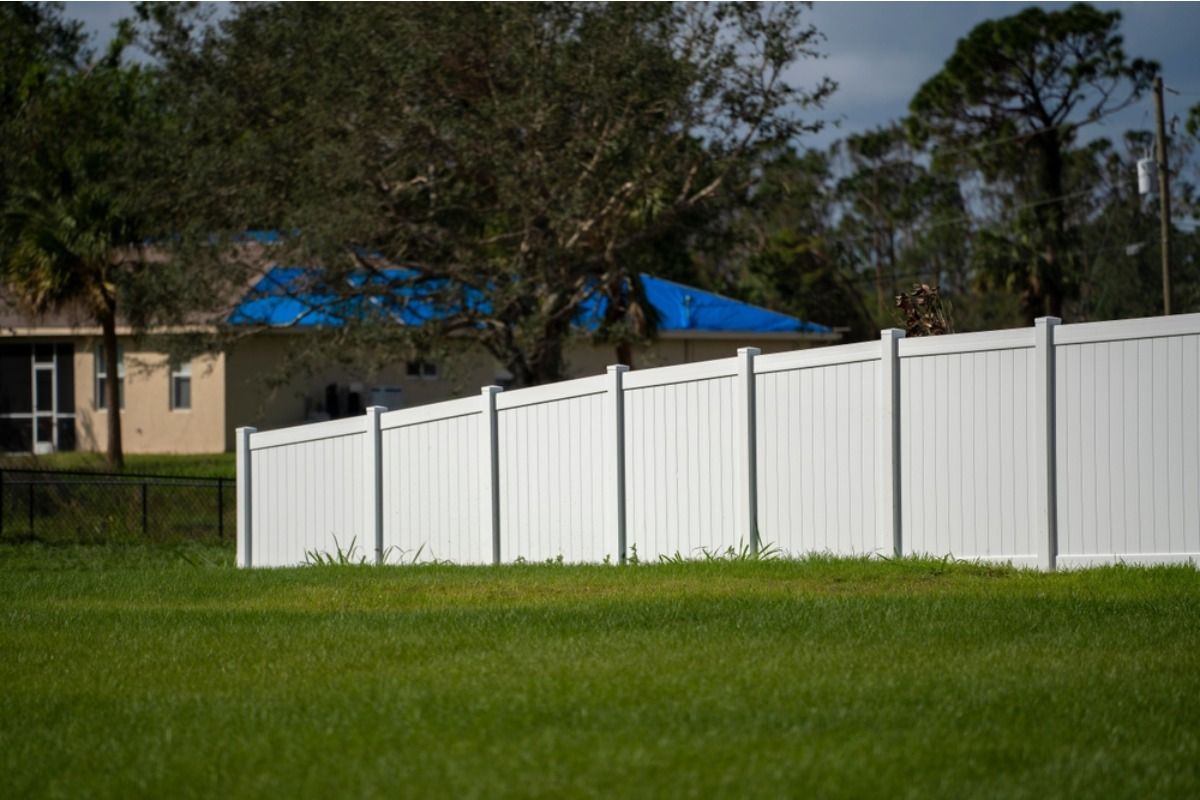
But now, the new fence, taller, solid, and built differently than the old one, was casting a longer shadow than she expected.
In the early hours of the day, when her garden used to get its most consistent sunlight, large sections of it were now partially shaded.
It wasn’t complete darkness. It wasn’t dramatic. But it was enough to shift how long certain areas stayed in the sun, and how quickly they warmed up.
And that small change started to explain everything.
Plants that rely on early sun to kickstart growth were now lagging behind. Soil that used to dry out evenly was holding moisture longer in shaded spots. Some areas of the garden were now effectively on a completely different light schedule than before.
The layout hadn’t changed.
The plants hadn’t changed.
But the environment had, just enough to affect everything.
What made the situation frustrating was how hard it was to pinpoint at first. There was no single moment where something clearly went wrong. It was a slow realization that something outside of her control had shifted the way her garden functioned.
She said it made her rethink how much of gardening depends on factors that aren’t always obvious.
Things like sunlight angles, airflow, and even structures nearby can quietly influence how a space behaves over time.
In her case, the fence wasn’t “wrong.” It wasn’t a mistake. It just changed the balance of the yard in a way she hadn’t anticipated.
Now, she’s starting to adjust.
She’s moving some of her more sun-dependent plants into areas that still get consistent light. She’s experimenting with different placements, trying to work with the new conditions instead of against them.
It’s not the same garden she had before.
But it’s slowly becoming something that works again.
And for many homeowners, it’s a reminder that when something in a yard suddenly stops performing the way it used to, the cause isn’t always in the soil or the plants themselves.
Sometimes, it’s something as simple as a new structure nearby, quietly changing how the space functions day by day.