Homeowner Says New Neighbors Bought a Wooded Lot and Started Clearing Trees, Then Discovered They Had Chopped Down 20 Trees on the Wrong Property
A person shared his story about a neighborhood dispute that began when a wooded lot next to his home was purchased by new owners. At first, the situation seemed fairly ordinary, as the newcomers apparently wanted to clear some trees and make the land their own. However, their plans soon turned into a gardening and property nightmare that nobody on the street could have anticipated.
The homeowner had lived with the trees surrounding his property, enjoying the greenery and natural scenery they provided. While the new owners were entitled to make changes to their own land, there was one important detail they apparently had not considered. The trees growing nearby did not automatically become theirs just because they wanted more space.
The Chainsaws Started Before Anyone Could Raise an Alarm
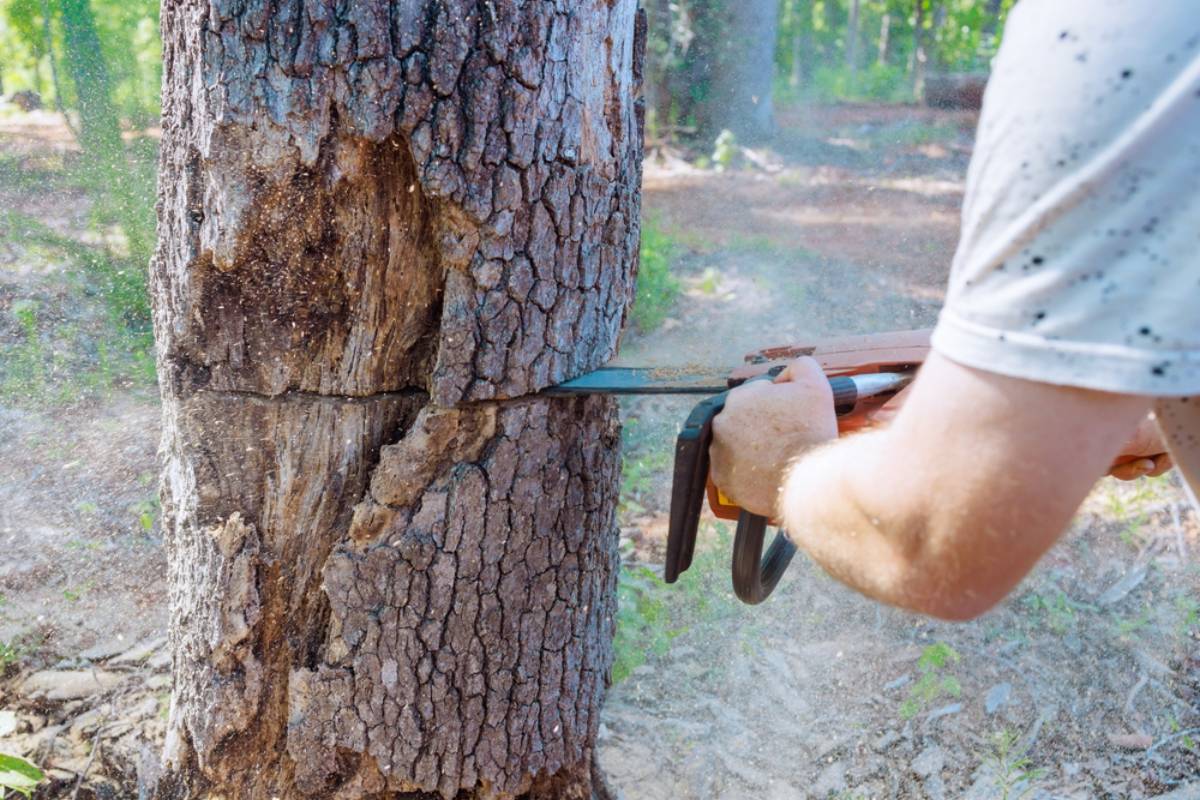
Not long after purchasing the neighboring lot, the new owners began cutting down small trees around the property with a chainsaw. From the outside, it might have looked like a routine landscaping project intended to clear overgrown vegetation. But the homeowner soon discovered that the work had crossed a boundary that should never have been ignored.
The cutting continued as the neighbors worked their way through the trees, apparently believing they were clearing land that belonged to them. For anyone who enjoys gardening, the thought of watching established trees disappear without warning is bad enough. Finding out that the destruction has extended onto your own property makes the situation considerably worse.
A Friendly Introduction Turned Into a Shocking Discovery
After work, the homeowner decided to introduce himself to the new neighbors and see what was happening next door. It was a perfectly reasonable way to welcome new residents while getting a better understanding of their plans for the wooded lot. Instead, the visit revealed a problem that transformed a simple neighborly introduction into a serious property dispute.
During the conversation, the homeowner realized that approximately 20 of his trees had been cut down. The trees reportedly ranged from about one inch to six inches in diameter, meaning this was not simply a case of a few stray branches being trimmed. What the neighbors considered ordinary clearing had apparently crossed onto land they did not own.
Twenty Trees Were Gone Before the Owner Realized What Happened
Losing a tree can be upsetting, particularly when it has taken years to establish itself and become part of a property’s natural landscape. Losing around 20 trees at once can change the appearance of an outdoor space almost overnight. For a homeowner who values greenery, the sudden loss can feel like watching a piece of the garden disappear without permission.
Young trees are especially important because they represent the next generation of shade, privacy, and wildlife habitat. Even relatively small specimens can take years to grow into mature trees that provide meaningful environmental benefits. The frustrating part was that these trees had not been removed as part of an agreed landscaping project, but apparently because someone believed the property line was somewhere else.
The Neighbors Had an Explanation, but It Was Not Convincing
When the homeowner confronted the neighbors about the missing trees, they reportedly insisted that the property boundary was not where he believed it to be. According to their explanation, the iron pin marking the boundary and surrounded by a piece of PVC pipe was in the wrong location. Rather than treating the discrepancy as a reason to pause the work, they appeared to rely on what they had been told.
Their defense was that their real estate agent had informed them that the boundary was elsewhere. That explanation might have sounded reassuring to them, but it did not resolve the central problem. A claim about where a property line lies does not automatically make it correct, especially when someone else’s trees have already been cut down.
The Homeowner Had Something More Convincing Than an Argument
Fortunately, the homeowner was not relying solely on his memory of where the neighboring property ended. He had a survey that showed the actual boundary and could be used to challenge the neighbors’ explanation. That document became an important piece of evidence in a dispute that might otherwise have turned into one person’s word against another’s.
Property surveys can be crucial when landscaping projects approach fences, wooded edges, or other areas where ownership is not immediately obvious. A boundary marker may look insignificant to someone eager to clear land, but it can represent the dividing line between what they can legally alter and what belongs to someone else. In this case, the homeowner believed his survey clearly established that the trees had been on his property.
The Real Estate Agent’s Advice Became a Bigger Problem
The neighbors’ reliance on their real estate agent’s alleged instructions raised another uncomfortable question: why had they not verified the boundary before starting the chainsaw? Clearing a wooded lot can be a major undertaking, but checking property lines is a basic precaution before removing vegetation near a neighboring home. Skipping that step can turn a straightforward landscaping job into a costly mistake.
Even if the neighbors genuinely believed they were working within their own boundaries, that belief did not undo the damage. A misunderstanding about ownership can explain how a conflict begins, but it does not automatically settle who should be responsible for the consequences. The homeowner now had a documented reason to challenge their version of events rather than simply accepting their explanation.
A Response From a Person Suggested Taking the Situation Seriously
A response from a person discussing the situation emphasized the importance of taking the loss of the trees seriously. The concern was understandable because removing established vegetation can have consequences beyond the immediate appearance of a yard. Trees can provide privacy, shelter wildlife, and contribute to the character of a property in ways that are difficult to replace quickly.
Other reactions reflected the frustration many people feel when someone damages a neighbor’s property and then attempts to explain it away. The dispute was not merely about whether the land looked better with fewer trees. It was about whether the new owners had taken reasonable steps to establish where their property ended before beginning work that could not easily be reversed.
The Missing Trees Could Be Worth More Than Expected
One of the most important questions in a dispute like this is how the damage should be valued. Trees are not always valued simply by their size or the amount of money it would cost to buy a few replacement saplings. Their species, condition, location, contribution to the landscape, and other factors can affect how their loss is assessed.
Replacing a small tree might seem inexpensive when viewed in isolation, but restoring a wooded area can require considerable time and effort. Newly planted trees also cannot immediately provide the same shade, screening, or habitat as established vegetation. That is why professional assessments may be useful when homeowners need to understand the extent of damage caused by unauthorized tree removal.
The Survey Changed the Conversation From Guesswork to Evidence
Without a reliable survey, the neighbors might have continued arguing about where the boundary was supposed to be. The homeowner’s documentation gave him a concrete way to challenge their claim and establish the location of the property line. It also highlighted why checking official records and boundary markers matters before carrying out major landscaping work.
For gardeners and homeowners, the lesson is particularly relevant when trees grow close to a shared boundary. A hedge, branch, or trunk may appear to sit on one side of a fence while the legal boundary follows a different line. Before removing anything substantial, it is far safer to verify ownership than to discover the mistake after the work is finished.
The Dispute Could Have Been Avoided With One Simple Step
The entire situation might have unfolded differently if the new owners had confirmed the boundary before cutting down the trees. If they were uncertain about the iron pin or the survey information, they could have paused the work and sought clarification. That brief delay would have been far less disruptive than discovering that an entire group of trees belonged to someone else.
Good landscaping starts with knowing what you are allowed to change, not simply deciding what you want the finished property to look like. This is particularly important when clearing wooded areas, installing fences, building sheds, or removing vegetation near neighboring land. A little preparation can prevent expensive disputes and preserve relationships that might otherwise become strained for years.
New Neighbors Can Turn a Peaceful Street Into a Legal Headache
Moving into a new home often brings excitement about landscaping projects and plans for improving the property. But those plans can quickly sour when one household’s improvements come at another homeowner’s expense. In this case, the dispute began with a new purchase and a chainsaw, then escalated when the homeowner discovered how much of his own land had apparently been affected.
Neighborly relationships depend partly on respecting the limits of what belongs to someone else. Most people can accept that a new neighbor wants to clear brush, plant a garden, or redesign an outdoor space. It becomes much harder to maintain that goodwill when the project destroys trees that were never theirs to remove.
The Homeowner Had to Consider His Next Move
Once the homeowner had explained the location of the boundary and presented his survey, the situation became more serious than a disagreement over landscaping preferences. He now had to consider how to document the loss and what options might be available to address the damage. Depending on local laws and the circumstances, a qualified attorney or tree appraisal professional could help determine the appropriate next steps.
It would be premature to assume that every dispute involving trees automatically results in a particular financial penalty. The outcome can depend on the jurisdiction, the value of the trees, the evidence available, and whether the removal was intentional or based on a genuine mistake. Still, the homeowner’s documentation gave him a stronger starting point than a verbal disagreement alone.
The Biggest Lesson Was to Check the Property Line Before Cutting
The story serves as a reminder that a chainsaw should never replace careful property research. Before removing trees near a boundary, homeowners should verify the relevant survey information and seek professional guidance if the line is uncertain. That precaution protects both the person doing the work and the neighbor whose landscape could otherwise be damaged.
For anyone investing time in a garden or wooded property, the loss of 20 trees is a sobering example of how quickly an outdoor space can change. The new neighbors may have believed they were simply clearing their newly purchased land, but the homeowner’s survey suggested a very different reality. What began as an ordinary landscaping project became a dispute over ownership, responsibility, and the value of trees that could not simply be put back.