Homeowner Says New Neighbors Built Just Five Feet From the Property Line, Then Their New House Turned the Quiet Yard Into a Privacy Problem
For three decades, a quiet stretch of land had given one homeowner something many gardeners dream about: space, peace, and the freedom to enjoy a wide-open view from the windows. A person shared his story about living on 10 rural acres beside a vacant five-acre lot, where nobody had built a home for 30 years. Then the neighboring property was sold, construction began, and suddenly that peaceful view came with a very different kind of scenery.
The new homeowners were building a large house remarkably close to the property line, only about five feet away. From the beginning, the project raised a gardening question with a surprisingly personal twist: should the homeowner plant enough trees to create a natural privacy screen, even if those trees eventually interrupted part of the neighbors’ view? What started as a simple landscaping project quickly became a disagreement about courtesy, property lines, windows, and just how much of your own yard you should be able to enjoy without feeling watched.
Thirty Years of Open Space Suddenly Felt Very Different
The homeowner had spent about 30 years enjoying the property without another house crowding the nearby landscape. The neighboring five-acre parcel remained vacant, so there had never been much reason to think about privacy screens or carefully positioned plantings. The yard could simply be a yard, without needing to serve as a visual barrier between two homes.
That changed when construction finally began on the empty property. What had once been a natural buffer was turning into a large building project, and the homeowner could see exactly where the new structure was heading. For someone used to looking through the windows and seeing open land, the arrival of construction workers was already enough to make the garden feel different.
The New House Was Going Up Remarkably Close
The biggest surprise was the location of the new home. The builders were placing the house about five feet from the property line, which was described as legal for the area. Even with plenty of acreage involved, the new construction was ending up unusually close to one side of the lot.
The terrain helped explain why. The neighboring property was relatively steep, and the best view was near the top of the hill, which was also apparently the least expensive place to build. The homeowner explained that there were known landslide issues as well, making the location more complicated than simply choosing a spot in the middle of five acres.
A Garden Could Become the New Property Boundary
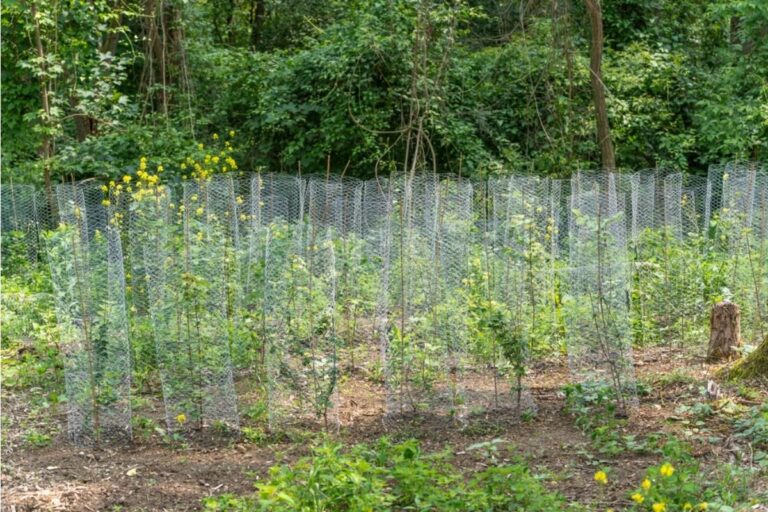
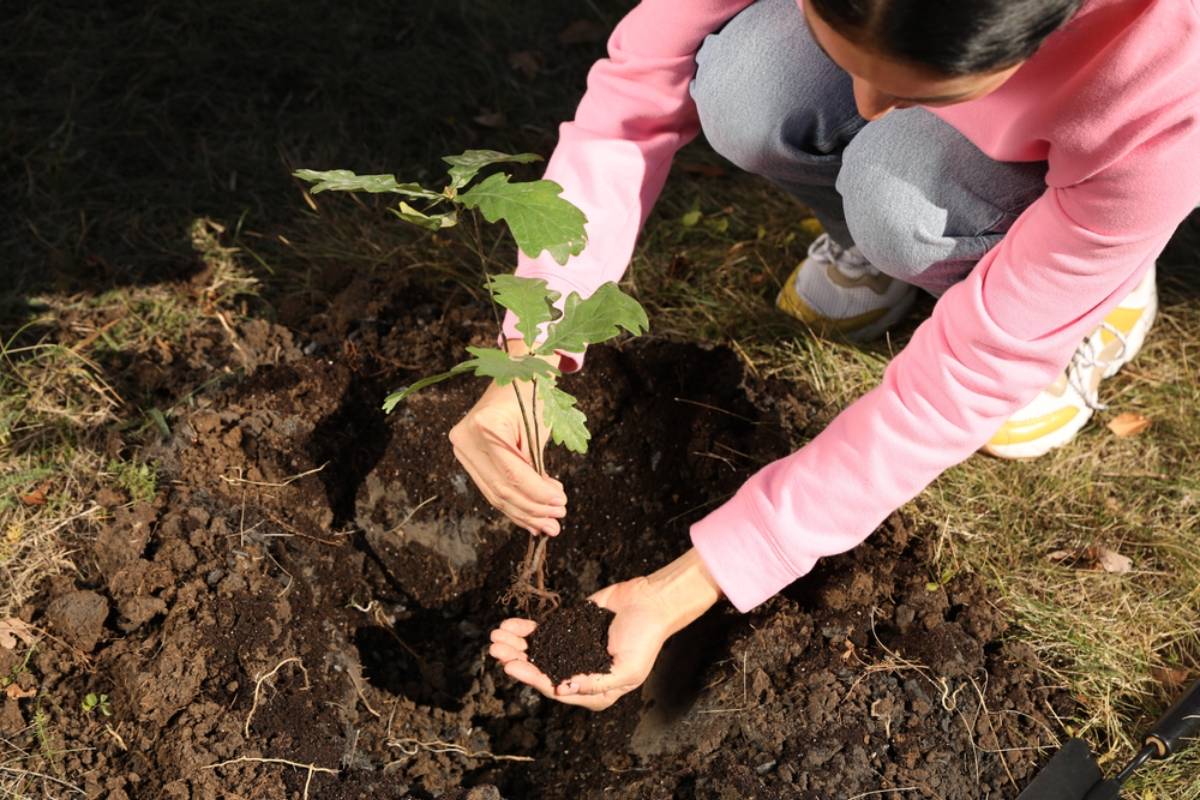
As construction continued, the homeowner came up with an idea that seemed almost inevitable from a gardening perspective: plant trees. Instead of building a traditional barrier, the landscaper could create a natural line of greenery that would eventually resemble a small forest between the two properties.
The goal was not simply to make the garden prettier. The trees would also provide privacy around the windows and help restore some of the separation the property had enjoyed for decades. The problem was that a mature line of trees would also change what the new neighbors could see from their side.
Privacy Became More Important as the Walls Rose
The homeowner’s concern was surprisingly simple. Looking out the window and seeing construction workers was one thing, but looking out the window every day and seeing a neighboring house was another. The homeowner wanted to be able to open the blinds without wondering whether people outside could see directly inside.
That concern became more pressing as the house took shape. A rural property can feel wonderfully private until another home appears in the exact sightline of the windows. Suddenly, ordinary things such as walking through the house, opening curtains, or stepping outside can feel much less casual.
The View Was the Part That Started the Argument
The homeowner’s spouse was not enthusiastic about the tree plan. In his view, deliberately planting trees that would block part of the neighbors’ larger view crossed a line from normal landscaping into intentional interference.
The homeowner saw the situation differently. The neighbors’ main view appeared to face west, while the homeowner’s property was to the east and slightly downhill, so the proposed trees would not necessarily erase their entire landscape. From the homeowner’s perspective, protecting privacy on their own land did not seem like something that required asking permission from the people next door.
One Spouse Wanted Privacy, the Other Wanted Goodwill
The disagreement was not really about trees alone. It was also about what kind of relationship the couple wanted with their new neighbors.
The husband, described as a very nice person with an almost grown-up Boy Scout personality, cared about being liked and thought of as a good neighbor. The homeowner was more focused on being comfortable inside her own house, and that meant accepting that a few trees might be visible from the other side of the property line.
The Landscaping Plan Had Plenty of Room to Work
There was one important detail that softened the situation: the homes were not actually going to sit right on top of each other. The homeowner explained that her own house was about 100 feet from the corner of the neighboring house, leaving substantial room for planting.
That changed the picture considerably. Instead of squeezing a row of trees into a narrow strip, the landscaper could potentially design a broader planting area with enough distance for mature trees to grow naturally. The challenge was finding plants that created privacy without becoming a giant wall of trouble.
A Tree Line Could Do More Than Hide a House
Trees offer a different kind of privacy from a solid fence. A carefully planted group of evergreens, shrubs, and taller trees can soften a property line while still allowing light, air, and glimpses of the landscape to pass through.
The planting could also make the area feel more intentional. Rather than looking like the homeowner had erected a barrier out of frustration, a thoughtful garden design could appear simply to be part of the landscape. That distinction mattered because the homeowner did not want a feud disguised as horticulture.
Responses From Other People Raised a Practical Point
A response from a person suggested that fences and tree lines often make neighbors easier to live with because they create natural separation. Another person pointed out that the new neighbors had chosen to build close to the property line despite having a large parcel, although others noted that utilities, terrain, and building restrictions could have influenced the decision.
Those observations revealed just how complicated the construction choice might have been. The neighboring owners may have been chasing the best view, working around the steep slope, or using the portion of land that made the most practical sense for construction. Whatever the reason, the homeowner still had to live with what the finished house would look like from her windows.
The Right Trees Mattered More Than Planting Everything
Once the conversation shifted from whether to plant trees to what kind of trees to plant, the gardening side became much more interesting. Several responses suggested evergreen plants because they could provide year-round screening rather than disappearing during winter. Others pointed toward particular fast-growing options, while also warning that some popular trees may take longer than expected to create serious coverage.
That is where good garden planning becomes more useful than simply buying the tallest plants available. Mature size, spacing, root systems, storm resistance, maintenance needs, and local growing conditions all matter when a planting is meant to remain in place for decades. A privacy garden has to work as a garden first, not just as a wall made from plants.
Native Plantings Could Make the Screen Feel Natural
Another response from a person suggested using native trees and plants that would suit the local environment rather than creating a dense row of whatever grew fastest. Native plantings can help a landscape feel like an extension of the surrounding countryside instead of an artificial divider.
That approach could also make the project easier to explain. A mixed planting of trees and shrubs can provide privacy while supporting birds, insects, and other wildlife, giving the garden a purpose beyond blocking a neighboring view. The homeowner would still get the screening she wanted, but the result could look like thoughtful landscaping rather than a declaration of war.
The Garden Might Even Help With the Slope
Because the surrounding property was described as hilly, another person raised a fascinating possibility: the planting might help with erosion and slope stability. Trees and other vegetation can play an important role in holding soil together, although the right plants and site conditions matter greatly.
That idea gave the homeowner’s plan another layer. What began as an attempt to avoid staring into a new house could become a broader landscape project involving privacy, beauty, habitat, and soil management. Sometimes the best garden solutions solve several problems at once.
One Response Warned Against Turning Planting Into a Weapon
Not every suggestion was purely about aesthetics. Some responses encouraged planting legally appropriate trees and paying attention to local rules, particularly where mature vegetation might eventually affect property lines or nearby structures.
That is an important distinction in any neighborly landscaping project. Planting with the intention of creating a pleasant privacy screen is one thing, while choosing plants specifically to cause legal or physical problems would be another. The homeowner’s situation did not require that kind of escalation, especially when there was enough land to create a carefully designed buffer.
Fast-Growing Evergreens Became the Obvious Temptation
Evergreens came up repeatedly because they solve one of the biggest problems with privacy planting: waiting. A young deciduous tree may offer a beautiful garden feature, but it can leave the windows exposed for much of the year, while an evergreen screen can provide more consistent coverage.
Still, fast growth comes with tradeoffs. A plant that races upward may eventually demand more pruning, more space, or more maintenance than the gardener expected. Choosing a mixture of heights and growth rates can make the planting look fuller over time rather than creating a row of identical trees that all compete for the same light.
The Best Design Might Not Block Everything
The homeowner did not necessarily need a solid green fortress. Because the houses had some distance between them, the landscaper could use staggered planting to interrupt direct sightlines while preserving portions of the surrounding view.
That kind of design can be surprisingly effective. A few strategically placed trees may block the exact windows that create the privacy concern without turning the entire property into a forest. With careful spacing, the garden can remain open and attractive from inside the house while becoming much less visually exposed from next door.
The Couple Eventually Took the Argument to the Landscaper
Rather than continuing the debate in the abstract, the couple planned to meet with their landscaper and work on an actual design. That was an important shift because a sketch on paper can answer questions that an argument in the kitchen cannot.
The landscaper could consider the slope, existing trees, mature plant sizes, sightlines, and the distance between the homes. Instead of asking whether planting trees was “nice” or “mean,” the couple could ask a much more useful gardening question: what planting arrangement would provide privacy while still looking good from both sides?
The Twist Was That the Garden Did Not Have to Become a Feud
The homeowner’s update suggested that the final plan could be more cooperative than anyone initially expected. She said she was looking for the right-sized trees and plantings that would be attractive for both her household and the neighbors, while using suggestions from other people to work out the details.
That changed the ending completely. What first looked like a battle over who deserved the better view was becoming a landscaping problem with a gardening solution. The trees could grow, the garden could become more beautiful, and the windows could eventually feel private again without the property line becoming the center of a long-running neighborhood dispute.
In the End, the Trees Were About Home, Not Revenge
The most interesting part of the story is that the homeowner was never really fighting for a better view than the neighbors. She wanted the ability to enjoy her own house without constantly seeing strangers outside the windows, and a garden offered a natural way to create that separation.
A person shared his story hoping to work through that tension, and the responses showed just how many ways a simple row of trees can change a property. With thoughtful plant choices, good spacing, and a little patience, the new privacy screen could become something much more valuable than a barrier: it could become a genuine part of the garden itself.