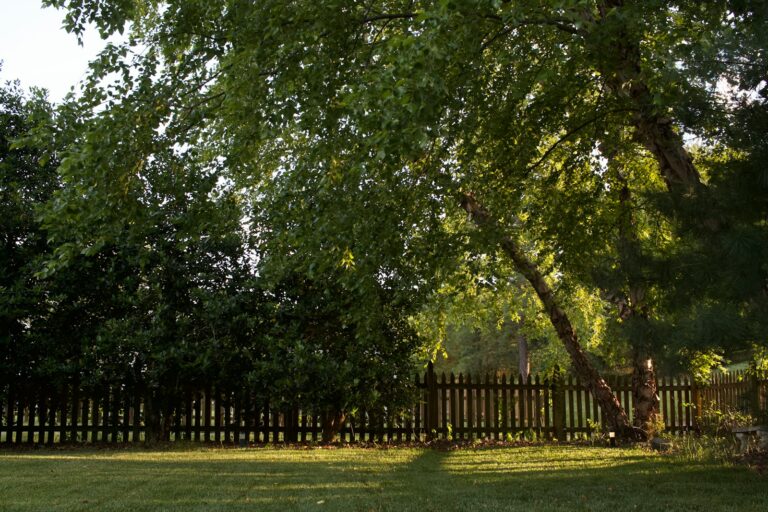
Homeowner Says One Small Change Along Her Fence Line Led to Weeds Taking Over Her Garden “Almost Overnight”
She didn’t change much.
That’s what made it so frustrating.
Her garden had been under control for years. Weeds would pop up occasionally, but nothing she couldn’t handle with regular maintenance. It was manageable, predictable, and never overwhelming.
Then she made one small change along her fence line.
She cleared out a narrow strip of plants that had been growing there and replaced it with fresh soil, thinking it would give her more space and make the area look cleaner.
At first, everything seemed fine.
But within a couple of weeks, something unexpected happened.
Weeds started appearing — fast.
Not just one or two, but clusters. Then patches. Then entire sections of her garden started filling in with growth she didn’t recognize.
It felt like it happened almost overnight.
What she didn’t realize at the time is that fence lines often act as natural barriers — not just visually, but environmentally.
The plants she removed had been doing more than just filling space.
They were:
- Blocking wind from carrying in weed seeds
- Competing with unwanted growth
- Stabilizing the soil surface
- Reducing open space where weeds can take hold
Once that barrier was gone, her garden became exposed.
Weed seeds — which are constantly moving through the air — had an open landing zone. And fresh soil, especially when disturbed, creates the perfect conditions for rapid growth.
In many cases, weed seeds can remain dormant in soil for long periods. When the soil is turned, exposed, and given light and moisture, they activate quickly.
That’s why the timing can feel so sudden.
Everything looks fine… until it doesn’t.
And by the time weeds are visible above the surface, they’ve often already established root systems below.
In her case, the spread was aggressive.
Some weeds grew faster than her actual plants, competing for water and nutrients. Others spread horizontally, making them harder to remove completely.
Pulling them helped — temporarily.
But new ones kept coming.
This is something many homeowners run into when they:
- Remove ground cover
- Disturb soil near borders
- Create new planting zones
- Leave areas exposed without mulch or coverage
The key issue isn’t just the presence of weeds — it’s the opportunity created for them.
Gardens thrive on balance. When that balance is disrupted, even in a small area, it can create conditions that spread beyond the original change.
To regain control, gardeners in similar situations often have to act quickly.
That can include:
- Adding mulch to block sunlight from reaching weed seeds
- Reintroducing ground cover plants
- Using landscape fabric in problem areas
- Watering more strategically to avoid encouraging unwanted growth
- Removing weeds early before they spread
But timing matters.
The longer weeds are left to establish, the harder they are to manage.
What makes this situation stand out is how small the original change was.
It wasn’t a full garden overhaul. It wasn’t a major mistake.
Just a simple adjustment along the fence line.
But in gardening, small changes can create big shifts — especially when they affect how the environment interacts with your space.