Homeowner Says People Keep Leaving Unwanted Plants at His Gate Because He’s “The Gardening Guy,” Now He Doesn’t Know What to Do With Them
When Mark Ellison moved into his small house in suburban Raleigh, North Carolina, he never expected his backyard hobby to turn into a neighborhood identity. He started with a few raised beds, growing tomatoes, peppers, and herbs just for himself. Over time, neighbors began noticing the steady growth and asking for advice. At first, it was harmless—quick questions over the fence, a few exchanged seedlings. But then things slowly shifted. People stopped just asking for help and started leaving things behind.
The First Mystery Pot on the Gate
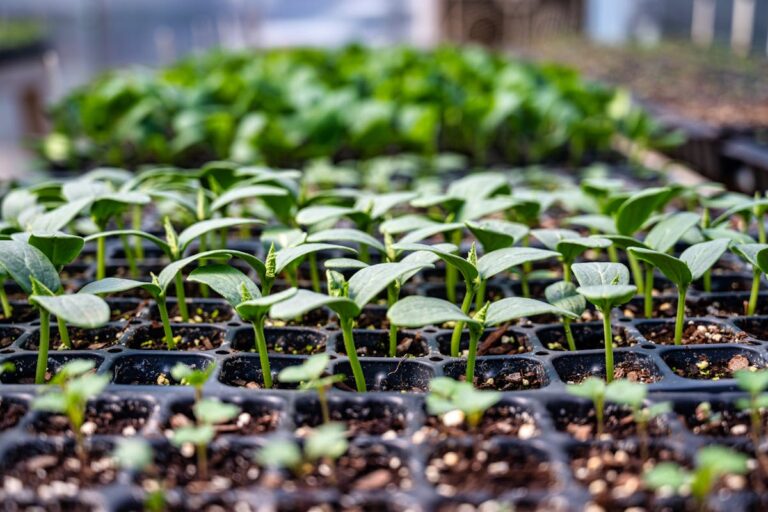
It began on a Monday morning when Mark found a plastic pot hanging from his front gate. Inside was a struggling basil plant and a sticky note that simply said, “Figured you’d know what to do with this.” There was no name, no explanation, just assumption. Mark stood there confused, wondering who had dropped it off and why. He watered it anyway, thinking it might be a one-time thing. By the end of the week, another pot appeared.
When “The Gardening Guy” Became a Label
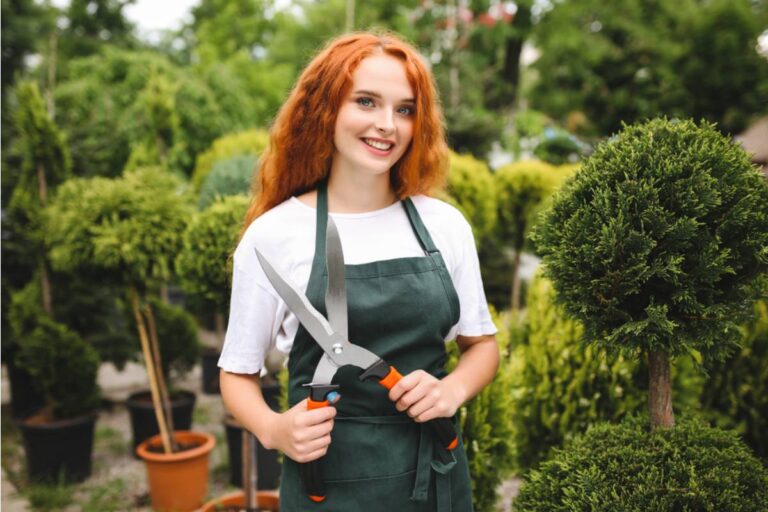
Soon neighbors started referring to him as “the gardening guy” in casual conversation. Mark overheard it while mowing his lawn and didn’t think much of it at first. But the label began carrying expectations he never agreed to. People started knocking less and dropping things off more. Seedlings, cuttings, and even half-dead store-bought plants began showing up. It felt less like requests and more like silent assignments.
The Unannounced Porch Drop-Offs Begin
One Saturday, Mark opened his door to find three potted plants lined neatly along his porch steps. A neighbor waved from across the street and said, “You’ll bring them back to life faster than I will.” Before Mark could respond, she had already walked away. He stood there holding a watering can, unsure if he should feel helpful or used. The plants were clearly struggling, and ignoring them felt wrong. So he brought them inside.
The First Time He Tried to Refuse
When a neighbor tried handing him a tray of tomato seedlings, Mark politely declined. He explained that his space was already full and he couldn’t take on more plants. The neighbor looked surprised, almost offended, and said, “But you’re good at this.” That response stuck with him longer than expected. It wasn’t a question—it was an expectation. And expectations, he realized, were becoming the real problem.
The Side Yard That Became a Drop Zone
Without asking, people began leaving plants by the side fence instead of the front gate. It turned into a quiet unofficial drop-off spot. Some were labeled, others completely anonymous. Mark would find them when taking out the trash or checking his tools. The volume kept increasing week by week. What started as one pot had turned into a constant stream.
A Conversation That Made It Worse
Mark decided to mention it during a casual block party. He joked lightly that he was running out of space for “adopted plants.” A neighbor laughed and said, “Well, you’re the only one who doesn’t kill them.” Everyone nodded as if that settled the matter. Mark smiled politely, but inside he felt trapped. Even his attempt to make light of it reinforced the expectation.
The Dead Plant That Arrived Anyway
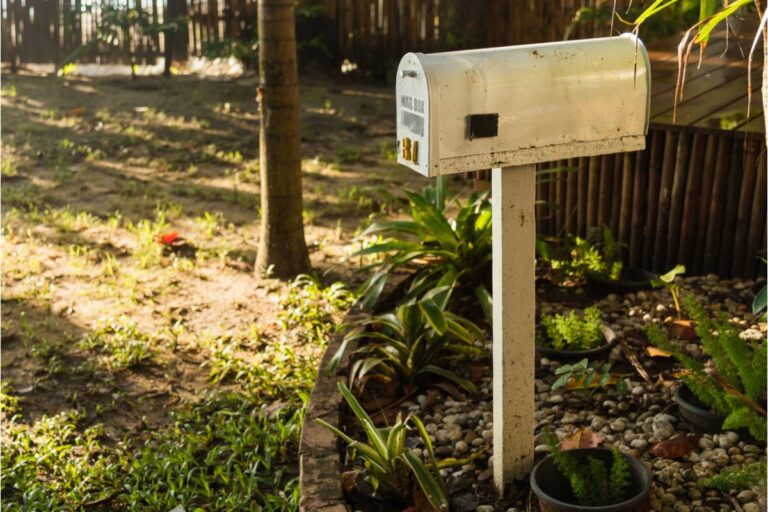
One morning, Mark found a nearly dead fern placed carefully near his mailbox. The soil was dry, the leaves brittle. A note said, “Sorry, ran out of options.” It wasn’t a request anymore—it felt like surrender from someone else. He hesitated longer this time before bringing it in. Something about it felt heavier than the rest.
When He Started Running Out of Space
His porch, garage, and backyard shed began filling with rescued plants. Mark reorganized shelves, cleared corners, and even moved his lawn equipment to make room. Despite his efforts, the flow didn’t stop. Every week brought something new. It stopped feeling like a hobby and started feeling like obligation. He began to dread checking the gate.
The Neighbor Who Thought It Was a Favor
One afternoon, a neighbor stopped by and thanked him for “taking care of everyone’s plant problems.” Mark corrected her, saying he hadn’t agreed to that role. She looked genuinely confused and said, “But you never said no.” That silence, she implied, was permission. Mark realized the misunderstanding wasn’t accidental—it was assumed. And assumptions were harder to undo than actions.
The Day He Left Everything Untouched
For the first time, Mark didn’t bring the new drop-offs inside. He left them exactly where they were at the gate. He watched from his window as neighbors passed by, noticing but saying nothing. No one retrieved them that day. The silence felt heavier than the plants themselves. He wondered how long it would take for someone to ask instead of assume.
A Growing Conversation on the Street
Word eventually spread that Mark was “stepping back.” Some neighbors were surprised, others mildly irritated. A few began discussing whether it was fair to expect one person to handle everything. The neighborhood group chat lit up with opinions. For the first time, people started acknowledging the pattern. But no one fully agreed on what should replace it.
The Knock That Changed the Dynamic
A longtime neighbor finally came to his door and asked directly if he would still accept plants going forward. Mark paused and said no—not in the way people had been doing it. The neighbor nodded slowly and admitted they had all just assumed he liked it. That moment felt different from all the others. It was the first time someone asked instead of dropped and walked away.
A New Rule Without a Sign
Mark didn’t put up a sign or send a message. Instead, he simply stopped accepting unplanned plants at the gate. Some neighbors adjusted quickly, others didn’t. A few still tried, but fewer each week. The habit slowly weakened as there was no longer an automatic receiver. The garden returned to being just his again.
The Gate That Finally Stayed Empty
Months later, the gate remained clear. Mark still gardened, still shared advice when asked, and still enjoyed helping others. But now everything came through conversation, not assumption. The plants in his yard were his again, not the neighborhood’s backup plan. And for the first time in a long while, checking the gate didn’t feel like checking a workload.